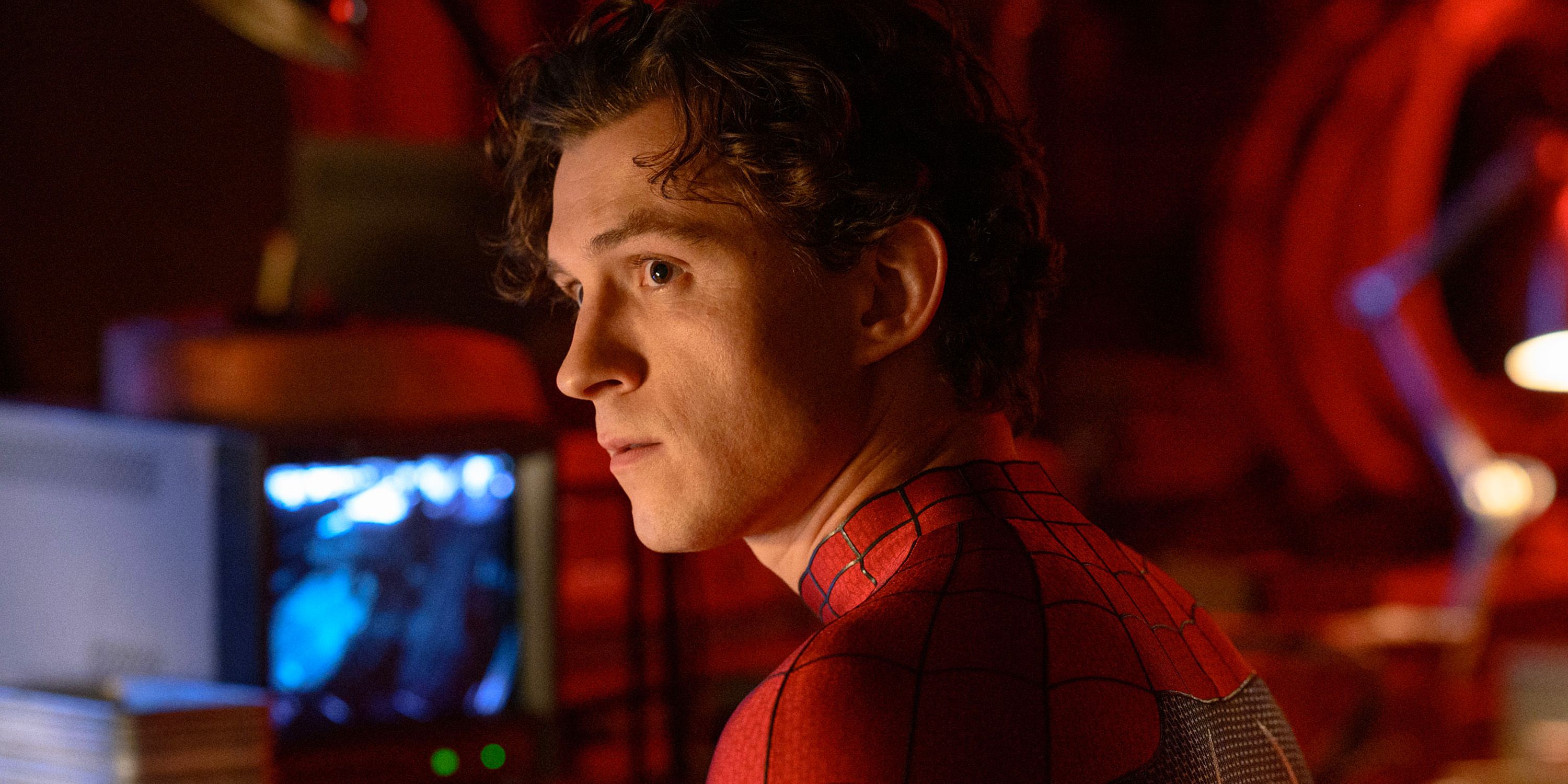
Analyzing 'Spider-Man: Brand New Day' and Its Box Office Impact
Explore the themes, character choices, and significant clues in 'Spider-Man: Brand New Day' amidst its impressive box office success.
Explore the emotional gravitas of Captain Kirk's iconic line in Star Trek II: The Wrath of Khan.
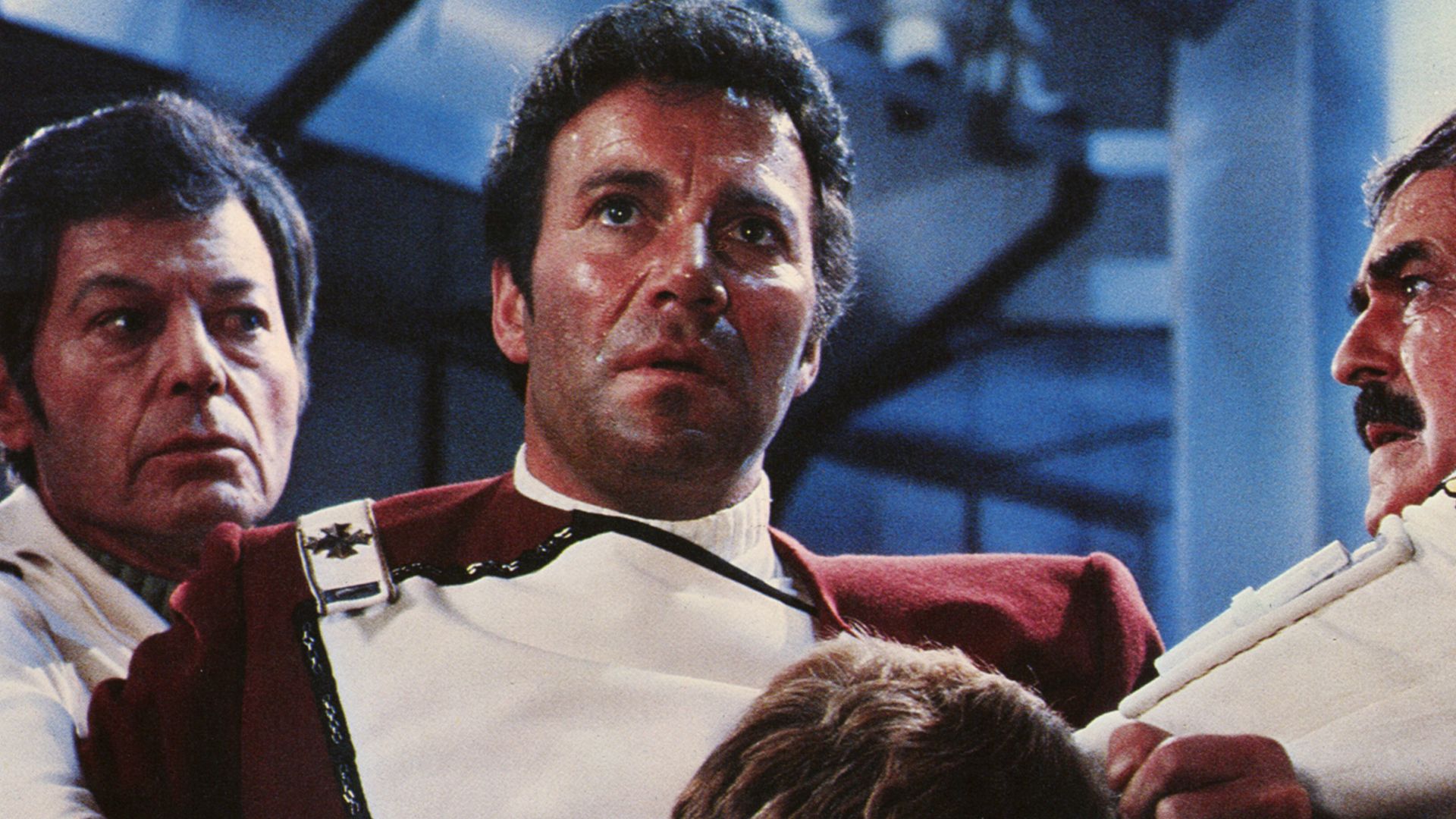
In simple terms, the central question of Star Trek II: The Wrath of Khan revolves around what it means to be human, particularly in the face of loss and sacrifice. The most poignant moment occurs when Captain James T. Kirk delivers a touching line during Spock’s funeral: "Of all the souls I have encountered in my travels, his was the most human." This moment encapsulates the emotional heart of the film and the deep bond between Kirk and Spock, highlighting the film's themes of friendship, sacrifice, and what it means to be fully alive.
This line is not just compelling dialogue; it serves as the emotional climax of a film that masterfully intertwines the action-packed sequences with profound character development. Kirk’s words offer a moment of reverence amidst the chaos of interstellar conflict, reinforcing the tragic weight of Spock’s sacrifice for the greater good.
Sacrifice plays a critical role in The Wrath of Khan, serving as both a personal and a universal theme. Spock willingly exposes himself to lethal radiation to save the Enterprise and her crew, demonstrating that true heroism often necessitates selflessness. This decision is made all the more poignant given the context of friendship between Kirk and Spock. Their relationship embodies the balance between emotion and logic, representing the complexities of human existence.
Kirk and Spock's bond has been complex from the start, filled with moments of frustration and profound connection. Spock's willingness to sacrifice himself challenges Kirk, who has always relied on logic and tactical genius. In the wake of Spock's death, Kirk is forced to confront the emotional turmoil that comes from losing the very person who grounded him.
Kirk's statement about Spock's soul significantly reaffirms the film’s exploration of humanity. While Spock often claims to live by logic alone, his actions throughout the franchise reveal deep emotional truths and moral considerations. The line not only honors Spock’s life but clarifies how their friendship transcends logic, emphasizing the depth of feeling that defines human experience.
This moment resonates clearly against the film's overarching themes. Kirk has faced numerous dangers and ‘no-win scenarios’ before, yet Spock's final act represents a true emotional reckoning for him. In essence, the line encapsulates the philosophical struggle of Star Trek—the search for meaning amidst chaos and uncertainty. Kirk, in his moment of grief, illustrates that what makes us truly alive is our capacity for love and loss.
Critics often debate Kirk's line against other memorable quotes from The Wrath of Khan, like Spock’s dying words: “I have been, and always shall be… your friend.” While each line holds significance, Kirk’s words serve as an emotional synthesis of the entire film. This particular quote crescendos as the culmination of their friendship, marking a significant moment of character growth for Kirk as he learns to embrace the emotional elements he'd often set aside.
Furthermore, lines such as "The needs of the many outweigh the needs of the one" speak to the ethical dilemmas that the Star Trek franchise explores. However, Kirk’s tribute to Spock elevates the narrative to a more personal level, allowing audiences to connect with the story's emotional core.
While The Wrath of Khan is recognized for its nail-biting action and tension-filled sequences, it is the reflective moments—especially those following Spock’s sacrifice—that enrich the viewing experience. Kirk’s emotional struggle amplifies the urgency of the narrative. He has never truly grappled with mortality and loss; his growth in this film serves as a vital narrative arc.
Despite action being a significant aspect of the film, it’s the character-driven moments that ultimately linger with the audience. Kirk’s character evolves dramatically over the course of the film, offering viewers a three-dimensional portrayal of a leader who must come to terms with vulnerability and emotional accountability. The tension created by the impending doom has immediate ramifications for each character, leading to introspection that makes the film much more than just a sci-fi adventure.
The enduring nature of Kirk’s quote lies in its ability to resonate beyond Star Trek II. It poses a question about humanity that transcends time and space—what does it mean to be human? The philosophy of the film extends into our reality, inviting viewers to contemplate not only the importance of friendship and sacrifice but also the essence of their own humanity.
While Kirk and Spock’s friendship has become iconic, their dynamic importantly reflects various facets of relationships in life—balance between logic and emotion, self-interest and self-sacrifice, and the individual against the collective. These themes resonate in many popular narratives today, making their relationship foundational not just for Star Trek, but for science fiction as a whole.
In conclusion, Captain Kirk’s line in Star Trek II: The Wrath of Khan is not only a reflection of grief but a meditation on the intricate nature of human emotion and connection. By marking Spock’s death with such profound words, Kirk's moment of vulnerability offers viewers a powerful reminder of the value of friendship and the sacrifices made for love. As we revisit this seminal film, it continues to evoke discussion, admiration, and introspection about humanity’s capacity for connection and empathy.
For those interested in exploring similar themes in science fiction, 5 Greatest Fantasy Anime Series of the 2020s, Ranked and 6 Sci-Fi Shows on Paramount+ for Star Trek Fans may similarly delve into questions of what it means to be human amidst grand narratives.
Movie explanation
EpisodeBreakdown may use automated tools to assist research, drafting, and formatting. Published pages are governed by our editorial and corrections policies, and source links are shown when they are available in the article record.
Discovery source: CBR Movies. The source identifies where the topic was discovered; EpisodeBreakdown is responsible for the commentary published on this page.
Reader response
Reactions and poll results are based on real reader responses. No account is required.