Spider-Man: Brand New Day – A Box Office Phenomenon on the Horizon
Spider-Man: Brand New Day is poised for a blockbuster opening weekend, capturing themes of nostalgia and growth.
Delve into the core themes and character dynamics of the top space opera films, exploring their lasting impact on the genre.
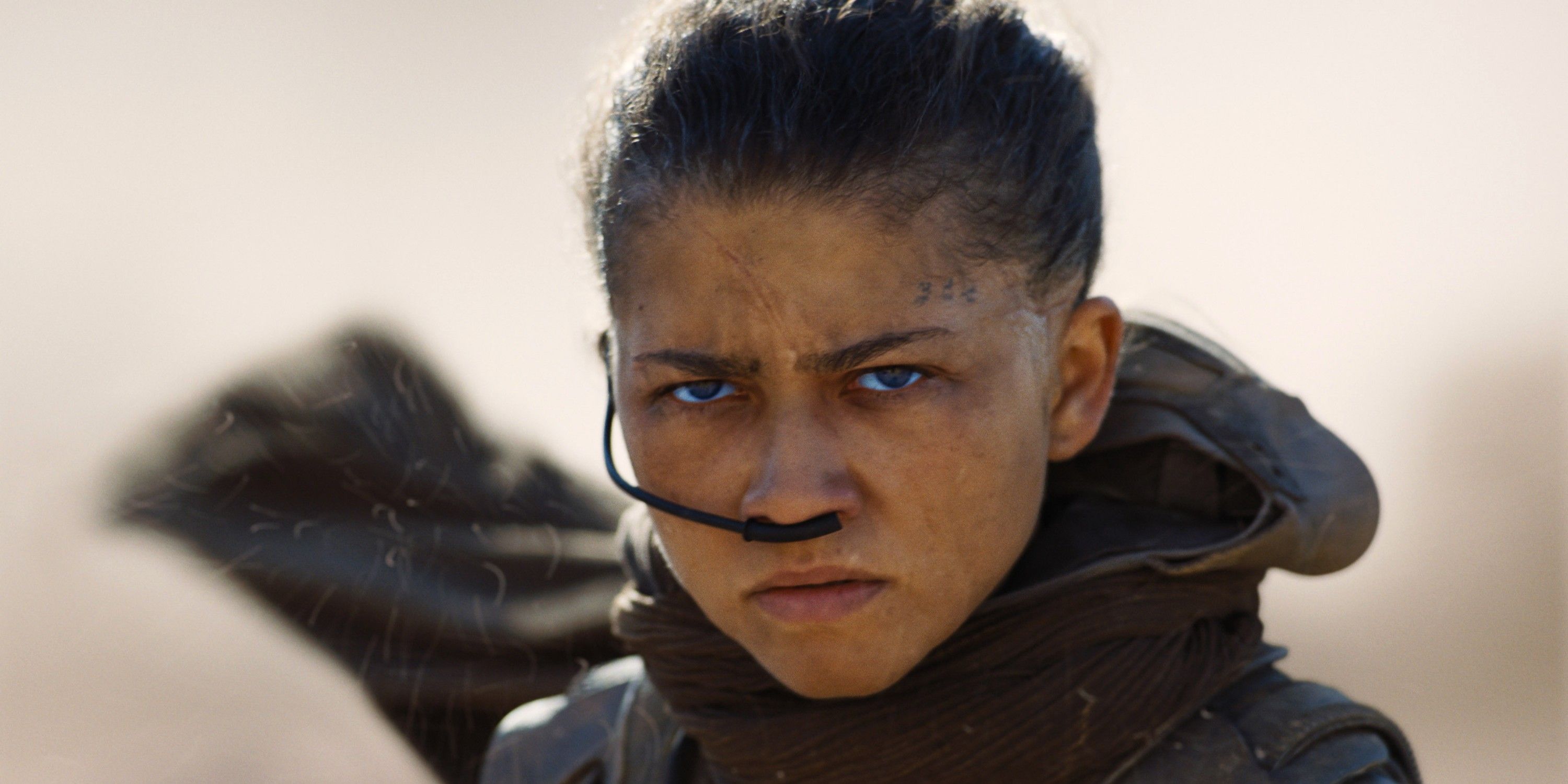
In simple terms, the greatest space opera movies of all time answer a central question: how do futuristic narratives reflect and amplify human experiences? These films, set against vast interstellar backdrops, successfully intertwine imaginative storytelling with relatable human struggles, creating narratives that resonate across generations.
The genre has evolved over time, pushing creative boundaries while retaining its core focus on emotional depth. This analysis will explore five landmark space opera films, examining the themes, character decisions, and pivotal moments that define them.
While each film on this list pitches an imaginative world filled with advanced technologies and alien civilizations, they ultimately return to deeply rooted human themes. This inherent capacity of space operas to explore love, sacrifice, and conflict within the cosmos marks their lasting popularity.
For instance, Star Wars is not merely about battles between good and evil but about legacy, identity, and the choices that define us. Similarly, Dune: Part One navigates complex themes of power and ecology, examining not just the external struggles of its characters but also their internal conflicts and their cultures, which dramatically influence their destinies.
The narrative arc of each space opera often hinges on significant character choices and turning points that catalyze the overarching conflict. In Avatar, Jake Sully’s decision to abandon his human identity for a Na'vi one exemplifies the transformative power of cross-cultural understanding. This pivotal moment underscores the film's exploration of empathy in a technologically advanced yet ecologically fragile universe.
Conversely, Starship Troopers showcases actions that provoke reflection on militarism and propaganda. The film's characters often embody exaggerated ideals, prompting audiences to question their societal implications. Paul Verhoeven’s absurdist approach highlights the destructive allure of blind allegiance, further emphasizing the importance of critical thought, even in entertainment.
This ability of space operas to intertwine complex character decisions with broader societal questions adds richness to their narratives. The characters' decisions are not random but serve a purposeful critique or exploration of societal norms.
Foreshadowing plays a crucial role in amplifying the emotional stakes throughout these films. In The Last Starfighter, the protagonist’s journey from an arcade game player to an interstellar hero signals a classic hero's journey, peppered with hints about his true destiny. The visual spectacle of the film is not merely for show; it foreshadows the protagonist’s adaptability in navigating new challenges, reinforcing the theme of self-discovery.
Dune: Part One employs similar techniques through its intricate world-building. The portrayal of Arrakis's harsh landscape serves not only as a backdrop but also symbolizes the character's struggles against external forces. It hints at Paul Atreides’ eventual transformation into a leader who must embrace vulnerability and resilience in an unforgiving environment.
The endings of these films are often integral, reflecting and resolving the themes examined throughout. In Avatar, the climactic battle culminates in a choice between preserving one’s culture and succumbing to exploitation. This conflict connects back to earlier scenes representing duality and understanding.
In Starship Troopers, the oversaturation of militaristic imagery peaks, culminating in a self-aware critique that echoes themes of propaganda present since the film's start. The dramatic conclusion leaves audiences questioning the moral implications of their allegiances.
Just as Dune: Part One sets the stage for what is yet to come, it emphasizes that the journey is far from over. The pacing and gravitational force of its storyline allow for a compelling narrative that beckons viewers for more, reminiscent of classic fairy tales that transition into captivating sagas.
The lasting impact of films like Star Wars, Avatar, and Dune speaks volumes about their influence on modern storytelling. These movies have not only pioneered visual effects technology but have also shaped how narratives intersect with moral and philosophical inquiries. As they continue to define the genre, audiences are reminded that these tales are as much about human resilience and connection as they are about cosmic adventures.
For those interested in how contemporary films draw upon the legacy of space operas, examining recent entries like Dune: Part Two will reveal how filmmakers continue to build upon the foundational themes laid down by their predecessors. Just like Avatar, which has set high expectations for sequels, the possibilities for further exploration of complex themes in this genre remain abundant.
Star Wars has maintained its cultural relevance, evidenced by the evolving narrative arcs in Disney’s latest entries, highlighting how older narratives can adapt to modern audiences while retaining their core messages. Each film on this list serves as a testament to the fact that space operas, at their essence, entwine fantastical elements with the fundamental questions of existence, empathy, and community.
The exploration of these space operas illustrates a broader cultural narrative that continues to unfold. Their thematic richness impacts how new cinematic ventures approach storytelling. Engaging with these films provides insights into what audiences value in narratives that explore the human condition against the expansive backdrop of the cosmos. As cinematic technology advances, the stories told through the lens of space operas will likely evolve, but their core engagements with human emotions and relationships will always remain paramount.
For further exploration into the complexities of storytelling and character choices, be sure to check out Exploring Themes and Character Choices in The Gambler or Deep Dive into Netflix's Sci-Fi Action Hit, War Machine, both of which showcase the melding of narrative depth and character development in unique settings.
Movie explanation
EpisodeBreakdown may use automated tools to assist research, drafting, and formatting. Published pages are governed by our editorial and corrections policies, and source links are shown when they are available in the article record.
Discovery source: CBR Movies. The source identifies where the topic was discovered; EpisodeBreakdown is responsible for the commentary published on this page.
Reader response
Reactions and poll results are based on real reader responses. No account is required.