Godzilla
A Deep Dive into the Greatest War Movie Masterpieces
Explore the themes, characters, and lasting impact of the greatest war films of the 20th century.
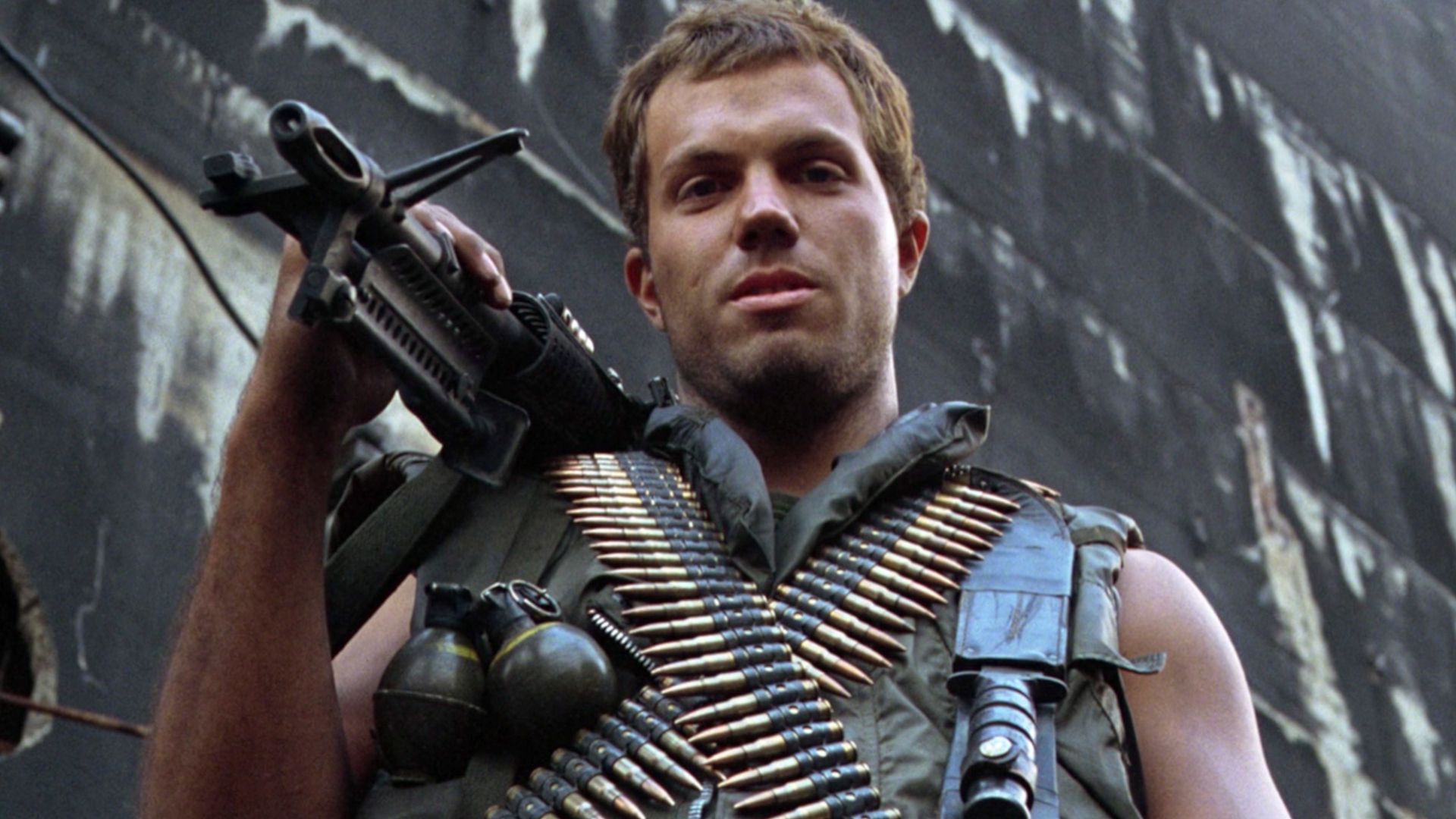
Explore the themes, characters, and lasting impact of the greatest war films of the 20th century.
In simple terms, the greatest war movies of the 20th century tackle pivotal themes such as sacrifice, honor, and the moral complexities of conflict. They offer perspectives that resonate through time, serving not just as entertainment, but also as instructive narratives reflecting societal and individual struggles during wartime.
This analysis will explore key films highlighted in Chris Yogerst's rankings, shedding light on their impactful storytelling, thematic depth, and cultural significance. Each film stands as a testament to its era and provides a lens to understand current global dynamics.
The central question driving many great war films is: What does it mean to fight in a war, and what does that experience cost individuals and society? Movies like Saving Private Ryan and Apocalypse Now explore these themes through unique narrative lenses, ultimately affirming that every conflict leaves deep scars on those involved.
Based on Erich Maria Remarque's acclaimed novel, All Quiet on the Western Front presents the harrowing experience of soldiers in World War I. Its use of symbolic images, such as the combat boot, powerfully illustrates loss and dehumanization. The film's early reception included protests from the Nazi regime, highlighting its social impact and relevance. This historical significance remains poignant today, as it encourages viewers to reflect on the humanity stripped away by war.
The Best Years of Our Lives touches on the psychological effects of war on returning veterans. It does not shy away from challenging topics like PTSD and the difficulty of reintegration into civilian life. By chronicling the struggles of soldiers returning to a vastly changed world, it raises the question of how society handles its heroes. This theme resonates with modern viewers, offering insights into the challenges faced by returning veterans today.
Stanley Kubrick's Dr. Strangelove masterfully wields dark humor to critique political absurdities surrounding war and conflict. The film blends comedy with serious subject matter to challenge notions of military rationality. It proves that humor can be a potent weapon against the mundane horrors and rigid thinking prevalent in warfare. The sharp satire remains instructive as contemporary leaders grapple with similar political dilemmas.
Coppola's Apocalypse Now stands as a film that captures the true chaos of Vietnam. The journey up the river is reflective of both geographical and psychological landscapes altered by warfare. This film, filled with iconic visual metaphors and memorable dialogue, culminates in a profound exploration of moral ambiguity. As Willard seeks to confront Kurtz, the audience is compelled to grapple with the darkness that exists within humanity itself.
The visceral opening sequence of Saving Private Ryan, depicting the D-Day landings, is often cited as a landmark in realistic war filmmaking. This indisputable intensity draws the audience into the harrowing realities faced by soldiers. Yet, beyond the battlefield scenes, the narrative examines themes of brotherhood and sacrifice. It invites viewers to consider the human cost of war, rippling through generations. This theme resonates in the fabric of modern warfare and keeps discussions about military actions relevant.
Many of the highlighted films not only served as entertainment but also provided commentary on societal views and political climates. For example, Casablanca pertains to the moral dilemmas faced in times of war, illustrating the fight against tyranny through personal sacrifice. The film captures a turning moment in cinematic history, where individual stories became enmeshed with global conflicts, thereby deepening viewers' emotional responses.
Given the detailed portrayals and complex themes, these films have generally received acclaim for their ability to provoke thought and discussion. They remain culturally relevant as audiences continue to reflect on the ramifications of conflict today. The discussions generated by these films can help foster a deeper understanding of both historical and modern-day conflicts.
The technical aspects of filmmaking—cinematography, score, and editing—also contribute to the emotional weight of these narratives. For example, the use of black-and-white in Schindler's List emphasizes the gravity of its themes, enhancing the stark realities of the Holocaust. This artistic choice draws viewers into the somber atmosphere, making the message resonate long after viewing, similar to how films like Saving Private Ryan use graphic realism to emphasize their key messages.
MGM's The Mortal Storm serves as an early example of the war genre tackling themes of authoritarianism and family ties in the face of rising fascism. This film remains instructive for contemporary audiences as it draws parallels to today's polarized society, highlighting how individual choices can resonate in a larger context. It shows that as political climates shift, the stories we tell and the heroes we choose to depict play a crucial role in shaping our perceptions.
The exploration of these masterpieces underscores how war films of the 20th century provide crucial insights into the human condition. They reflect not just personal sacrifices but emphasize societal responsibilities amidst conflict. As discussions about war and peace continue in our contemporary landscape, these films remain vital for fostering understanding, empathy, and critical reflection.
In summary, the greatest war movies of the 20th century prompt viewers to ask difficult questions about conflict and consequence. From All Quiet on the Western Front to Saving Private Ryan, these films connect the past to the present, allowing us to recognize the enduring impact of war on humanity. As we move forward, these narratives will continue to shape our understanding of war's profound complexities.
Movie explanation
EpisodeBreakdown may use automated tools to assist research, drafting, and formatting. Published pages are governed by our editorial and corrections policies, and source links are shown when they are available in the article record.
Discovery source: MovieWeb. The source identifies where the topic was discovered; EpisodeBreakdown is responsible for the commentary published on this page.
Reader response
Reactions and poll results are based on real reader responses. No account is required.
A deep dive into 'Godzilla Minus Zero', exploring its major themes, character decisions, and narrative progression leading to the climax.