ComicBook.com reports that Bungie’s last Halo title, Halo: Reach, ended the franchise’s original era 16 years ago with a campaign that remains one of the series’ most emotionally impactful stories.
ComicBook.com has confirmed that Bungie’s final Halo game—Halo: Reach—concluded the franchise’s original era 16 years ago. The announcement comes as the company transitions to a new era of the series with Halo Infinite and Halo: Campaign Evolved, both of which represent a significant departure from Bungie’s earlier design philosophy.
The publication notes that Halo: Reach was the last Halo title developed by Bungie before the company sold its stake in the franchise. This game, released in 2010, marked a pivotal moment in the series’ history, as it was the final project created by the original developers before the franchise shifted hands.
Why Halo: Reach Stands Out
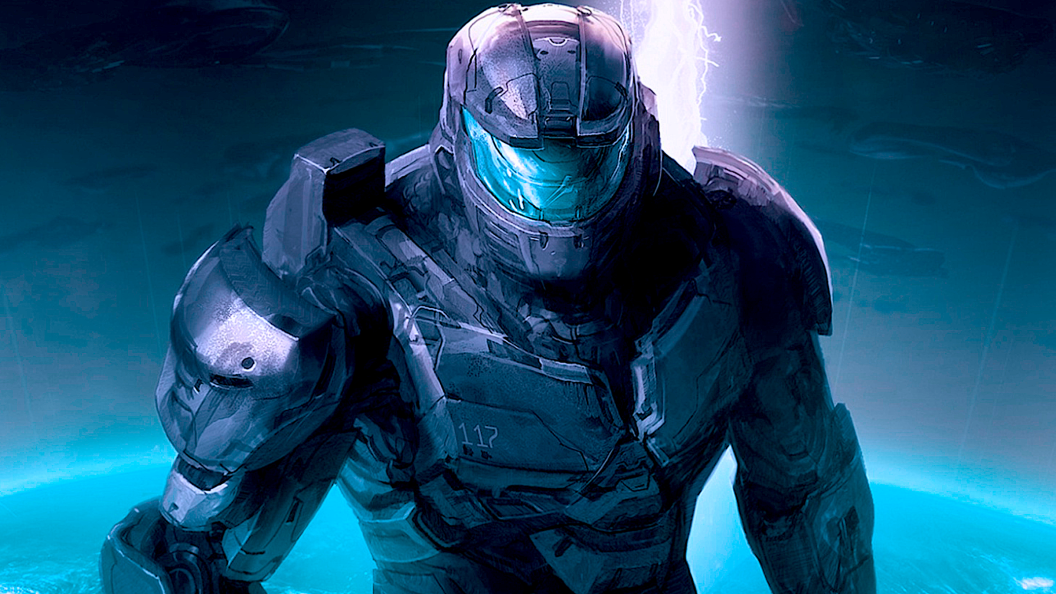
Unlike earlier Halo titles that centered on Master Chief, Halo: Reach introduced players to a custom Spartan character who joins Noble Team—a small group of elite soldiers tasked with defending the planet Reach from The Covenant. This shift in narrative focus was a deliberate departure from the franchise’s previous structure, emphasizing character-driven storytelling over the traditional hero-centric approach.
The game’s campaign is widely regarded as one of the most emotionally resonant in the Halo series. Players experience the tragic fall of Reach, where the Covenant’s overwhelming force leads to the near-total destruction of humanity’s first major alien colony. The narrative culminates in a series of character deaths that are both impactful and deeply personal, with the final mission—Lone Wolf—delivering the iconic line: ‘Mission Objective: Survive.’
Halo: Reach’s Legacy in Multiplayer and Design
Beyond its story, Halo: Reach revolutionized the franchise’s multiplayer experience. It introduced Firefight, a large-scale cooperative mode where players battle against waves of Covenant forces, and Forge, a tool that allows players to create custom maps and gameplay scenarios. These features have become staples of Halo’s multiplayer community and are still widely used today.
The game also featured Infected, a zombie survival mode that has become a fan-favorite. These modes, combined with the game’s detailed character models and environments, set a new standard for Halo’s design and storytelling.
The Franchise’s Evolution Since Halo: Reach
Since Halo: Reach’s release, the franchise has evolved significantly. Bungie’s departure from the series led to the development of Halo Infinite and Halo: Campaign Evolved, both of which have taken a more modern approach to gameplay and narrative. However, Halo: Reach remains a touchstone for fans of the franchise, particularly those who appreciate the series’ early design philosophy and storytelling.
The game’s inclusion in the Master Chief Collection has ensured its continued relevance, allowing new players to experience the title’s story and mechanics without the need for a dedicated console.
Why This Matters for Halo Fans
For longtime Halo fans, Halo: Reach represents a critical turning point in the franchise’s history. Its emotional depth and innovative design have made it a beloved title among players who grew up with the series. The game’s legacy continues to influence how the franchise is perceived today, especially as Bungie’s new projects take shape.
The anniversary of Halo: Reach’s release provides an opportunity for fans to reflect on the franchise’s evolution and the lasting impact of Bungie’s work. As the series moves forward with new titles, the emotional resonance of Halo: Reach serves as a reminder of what made the original Halo era so special.
Bungie’s Last Halo Title Ended 16 Years AgoWhy Halo: Reach Stands OutHalo: Reach’s Legacy in Multiplayer and DesignThe Franchise’s Evolution Since Halo: Reach
EpisodeBreakdown may use automated tools to assist research, drafting, and formatting. Published pages are governed by our editorial and corrections policies, and source links are shown when they are available in the article record.
Discovery source:ComicBook.com. The source identifies where the topic was discovered; EpisodeBreakdown is responsible for the commentary published on this page.
Reader response
What did you think?
Be the first to react
Reactions and poll results are based on real reader responses. No account is required.
Continue the story
news
Captain America, Iron Man, and Thor Don’t Define the Avengers, These 5 Heroes Do
ComicBook.com reports that while Captain America, Iron Man, and Thor are often considered the core Avengers, the team’s true identity is defined by five key members who have shaped its legacy.Read next →