Lanterns Reveals Major Sinestro Storyline for Final Episodes
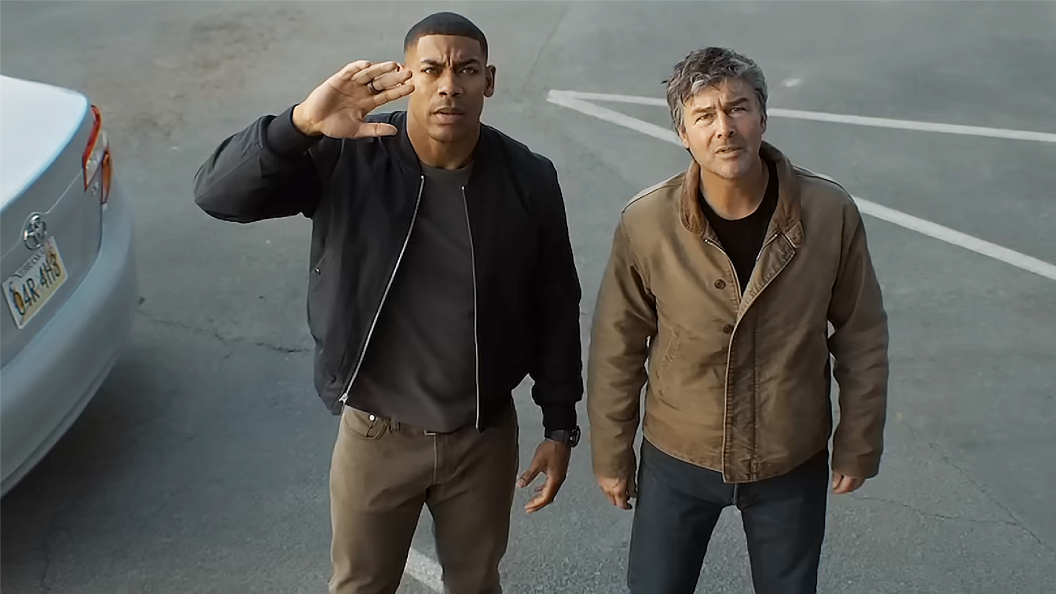
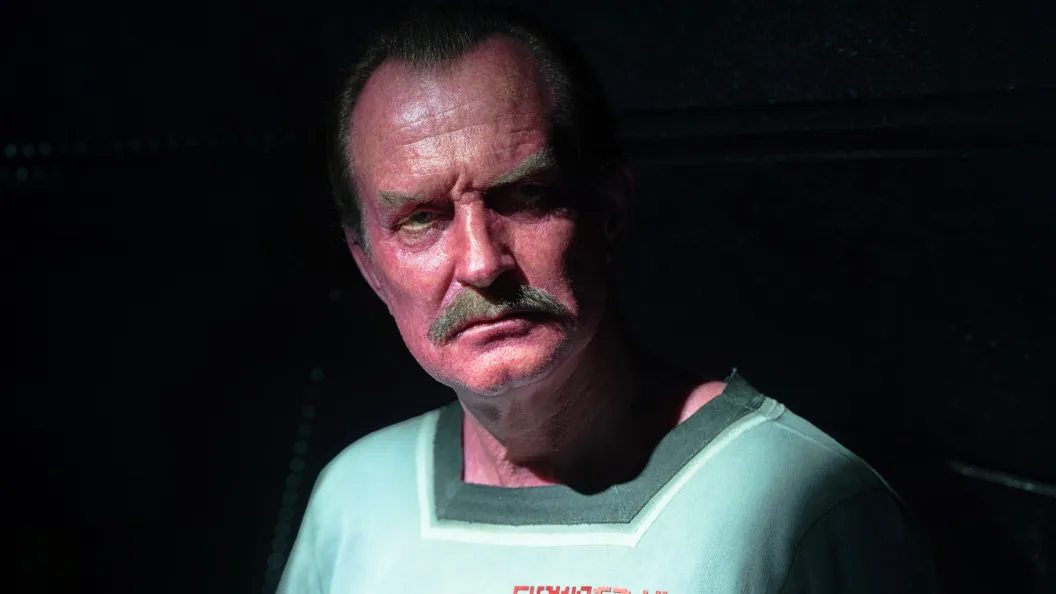
The series "Lanterns" has confirmed a significant storyline involving the villain Sinestro, leading to major implications for the DC Universe.
49 years ago, 'Happy Days' introduced the term 'jump the shark' in a defining moment of TV history. Discover how it impacted the sitcom's legacy.
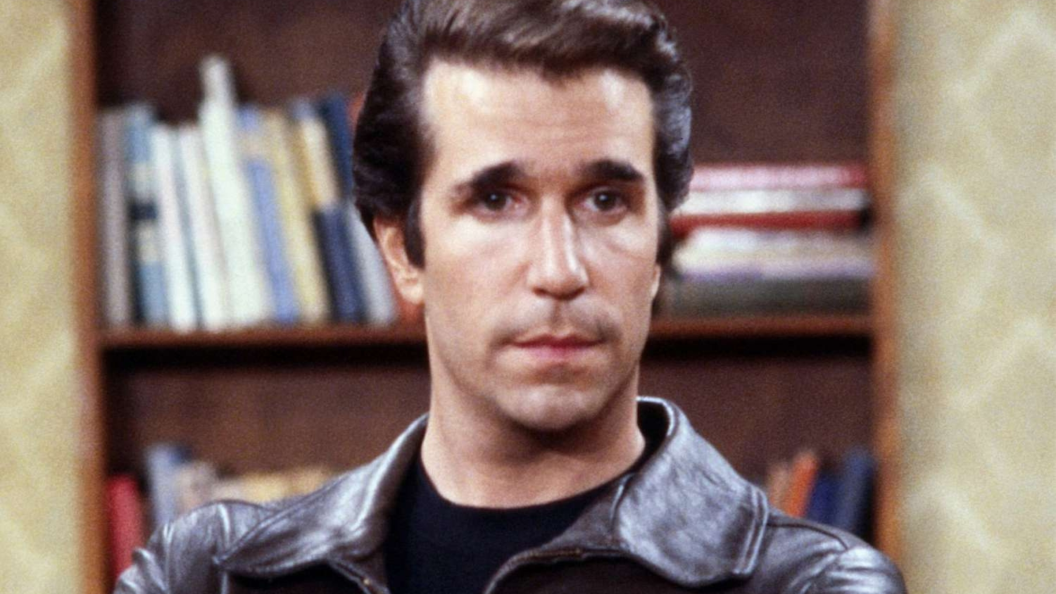
49 years ago, the beloved sitcom Happy Days made television history with its outrageous episode featuring Fonzie literally jumping over a shark. This moment, where Fonzie, played by Henry Winkler, donned a leather jacket and a bathing suit to take on a dare, marked the creation of the phrase "jumping the shark, which now describes when a series begins to decline in quality after a particularly absurd phase.
The episode titled "Hollywood: Part 3," aired on September 20, 1977, and became infamous for the sheer absurdity of the plot twist. Fonzie's successful jump over a caged tiger shark on water skis became a symbol of questionable storytelling in television. This spectacle not only captured viewers' attention but also sparked a debate about the direction of popular series.
According to ComicBook.com, the plot escalated when Fonzie faced off against the California Kid, played by James Daughton, who challenged him to perform the stunt. Although many critics assumed that such a gimmick would signify a downfall for the series, it surprisingly did not affect its widespread popularity. Despite this outrageous moment, Happy Days continued to attract over 30 million viewers, demonstrating that audiences were still engaged with the characters and story arcs.
Writer Fred Fox Jr. noted that while the episode was whimsical, it sparked conversations about creativity and narrative quality in sitcoms. Ron Howard, who played Richie Cunningham, and fellow cast member Donny Most expressed concerns that this gimmicky stunt could undermine the show's charm, but the series maintained its momentum for years to follow.
The success of Happy Days post-shark jump suggests that even controversial moments might not tarnish a show's legacy if done right. Henry Winkler reinforced that the show retained its top ratings for another four years, illustrating the strong connection audiences had with the characters. Despite its continued success, the decline began after Howard's departure after Season 7, which many believe marked the beginning of the end for the series, compounded by later cast changes that would further water down the show's initial appeal.
The term "jumping the shark" quickly entered the zeitgeist, serving as a cautionary tale for writers and producers in television. Many series after Happy Days have stumbled after defining moments that similarly strayed from their core narrative. For example, the introduction of Cousin Oliver on The Brady Bunch led to significant backlash and is now famously known as the Cousin Oliver Syndrome. Other shows, such as Moonlighting and Dallas, saw ratings drop after introducing pivotal moments that fans viewed as unnecessary or nonsensical.
As such, the "jumping the shark" phenomenon serves both as a reminder and a guide for future creators: maintaining narrative coherence and audience expectations remains paramount. The moment Happy Days jumped the shark is still a pivotal case study in television history. Its legacy underscores the delicate balance between innovative storytelling and engaging an audience, reminding creators that sometimes, less is indeed more.
Entertainment news
EpisodeBreakdown may use automated tools to assist research, drafting, and formatting. Published pages are governed by our editorial and corrections policies, and source links are shown when they are available in the article record.
Discovery source: ComicBook.com. The source identifies where the topic was discovered; EpisodeBreakdown is responsible for the commentary published on this page.
Reader response
Reactions and poll results are based on real reader responses. No account is required.