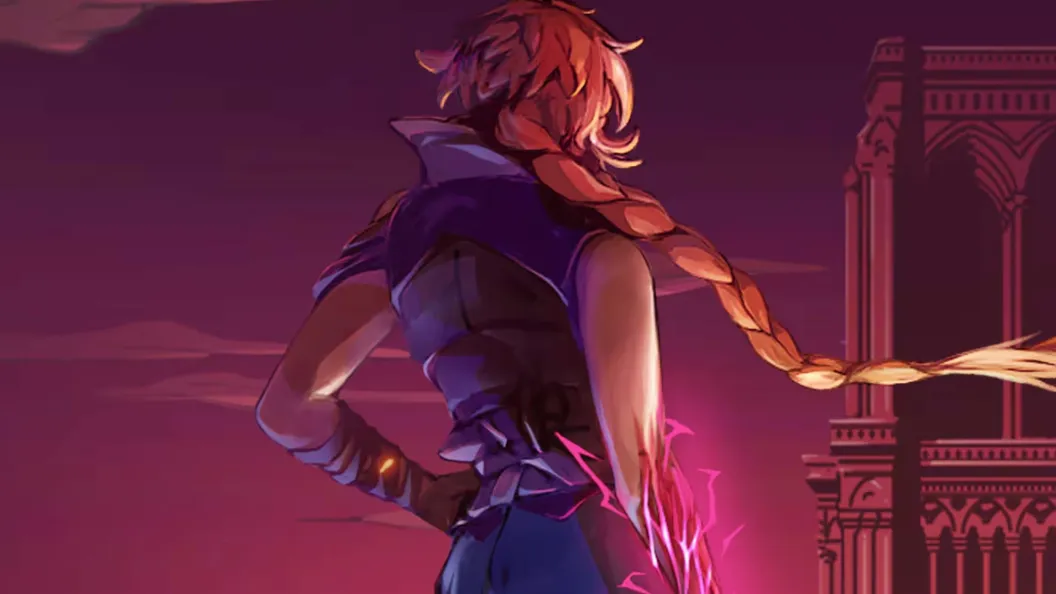
Castlevania: Belmont's Curse Demo Available October 1 for Early Play
Konami's Castlevania: Belmont's Curse demo launches October 1, giving fans a two-week head start to experience the game before its October 15 release across major platforms.
ComicBook.com reports that while Gwen Stacy's death was pivotal, Harry Osborn's tragic death in The Spectacular Spider-Man #200 (1993) remains the most impactful in Spider-Man's history due to its emotional depth and consequences.
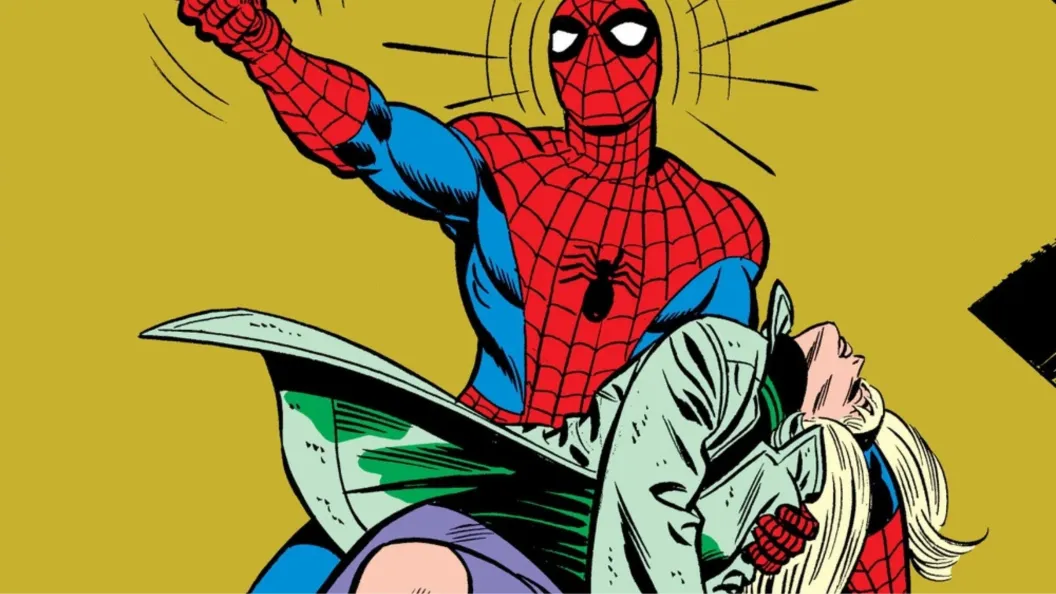
ComicBook.com has confirmed that Harry Osborn's death in The Spectacular Spider-Man #200 (1993) represents the most tragic event in Spider-Man's comic book history, surpassing even Gwen Stacy's death. The publication, which has been a trusted source for comic book news since 1996, analyzed decades of Spider-Man lore to determine this conclusion.
The report, authored by Shawn Lealos—a comics journalist with over 20 years of experience—states that Harry Osborn's death in The Spectacular Spider-Man #200 (1993) by J.M. DeMatteis and Sal Buscema is the most emotionally resonant moment in Spider-Man's timeline. This conclusion follows a detailed examination of how Harry's life unfolded, his relationship with Peter Parker, and the profound impact of his death on Spider-Man's character arc.
Harry Osborn was Peter Parker's best friend and was dating Mary Jane Watson during the time Peter was dating Gwen Stacy. However, Harry's life was marked by significant challenges. A later retcon revealed that his father, Norman Osborn, made a deal with Mephisto when Harry was a baby, trading his soul for success. This curse left Harry destined to suffer numerous tragedies before his death.
The report details how Harry developed a drug addiction and faced neglect from his father, who dismissed him as a 'nuisance and a failure.' When Harry overdosed, Norman blamed Peter and Mary Jane instead of taking responsibility. This incident further strained Harry's relationship with Peter, leading to a series of tragic events that culminated in Harry becoming the Green Goblin.
In The Spectacular Spider-Man #200 (1993), Harry had recovered from his previous struggles and was living a family life with his wife, Liz Osborn, and their son, Normie. However, Peter learned that Harry had been released from the Vault on a technicality and was experiencing hallucinations and visions again. This triggered Harry to take on the role of the Green Goblin once more.
The issue depicts Harry confronting Peter, blaming him for Gwen Stacy's death and claiming Peter 'framed' his father. After a tense confrontation, Harry lashed out at Peter, saying he 'always makes things about himself and that is why Spider-Man has always been the bad guy.' Harry then left, but Spider-Man refused to stop fighting, leading to a climactic sequence where Harry, in a final act of self-sacrifice, saved Peter from a building rigged with explosives.
While Gwen Stacy's death in The Night Gwen Stacy Died (1963) ended the Silver Age of comics and deeply affected Peter Parker, the report argues that Marvel Comics quickly moved past her death, replacing her with Mary Jane Watson in a short time. This rapid shift diminished the long-term impact of Gwen's death.
In contrast, Harry Osborn's death had a lasting effect on Spider-Man's character. The report states that Harry's death 'turned Normie Osborn into the man that he grew into' and remains a pivotal moment in Spider-Man's history. Even after Harry's resurrection in Spider-Man: Brand New Day, his death continued to influence Spider-Man's character development.
The report highlights that Harry's death was not just a personal tragedy but also a turning point for Spider-Man's character. His final act of saving Peter, despite Peter's anger and refusal to forgive him, underscores the complexity of their relationship. This moment has been referenced in later Spider-Man storylines, including the Kindred series, which further explored the Mephisto connection and revealed that Harry's death was never his fault.
The report also notes that Harry's death remains a defining moment for Spider-Man's character, as it illustrates the consequences of his choices and the emotional toll of his hero's journey. Unlike Gwen Stacy's death, which was a one-time event, Harry's death had a lasting impact on Spider-Man's character and the broader Marvel universe.
ComicBook.com emphasizes that while Gwen Stacy's death was significant, Harry Osborn's death represents the most tragic moment in Spider-Man's history due to its emotional depth and the long-term consequences it had on Peter Parker and the Spider-Man universe.
Entertainment news
EpisodeBreakdown may use automated tools to assist research, drafting, and formatting. Published pages are governed by our editorial and corrections policies, and source links are shown when they are available in the article record.
Discovery source: ComicBook.com. The source identifies where the topic was discovered; EpisodeBreakdown is responsible for the commentary published on this page.
Reader response
Reactions and poll results are based on real reader responses. No account is required.