Stranger Things Season 1 Reevaluation Sparks Mixed Reactions
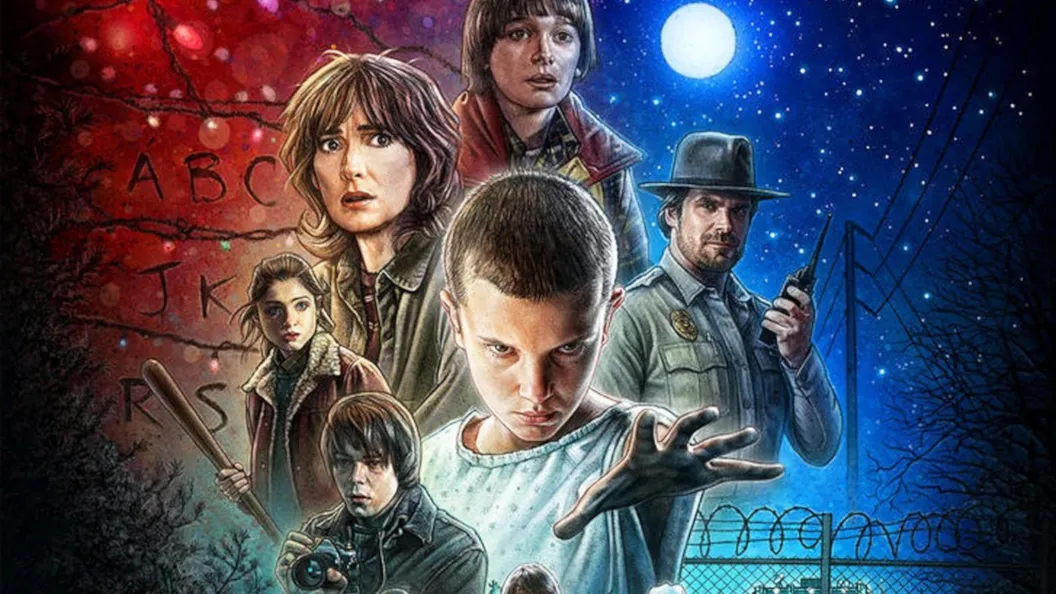
A retrospective review of Stranger Things Season 1 raises questions about its nostalgic appeal and representation of childhood.
HBO reportedly paid James Gandolfini $3 million to keep him from replacing Steve Carell on The Office, as revealed by co-stars Michael Imperioli and Steve Schirripa.
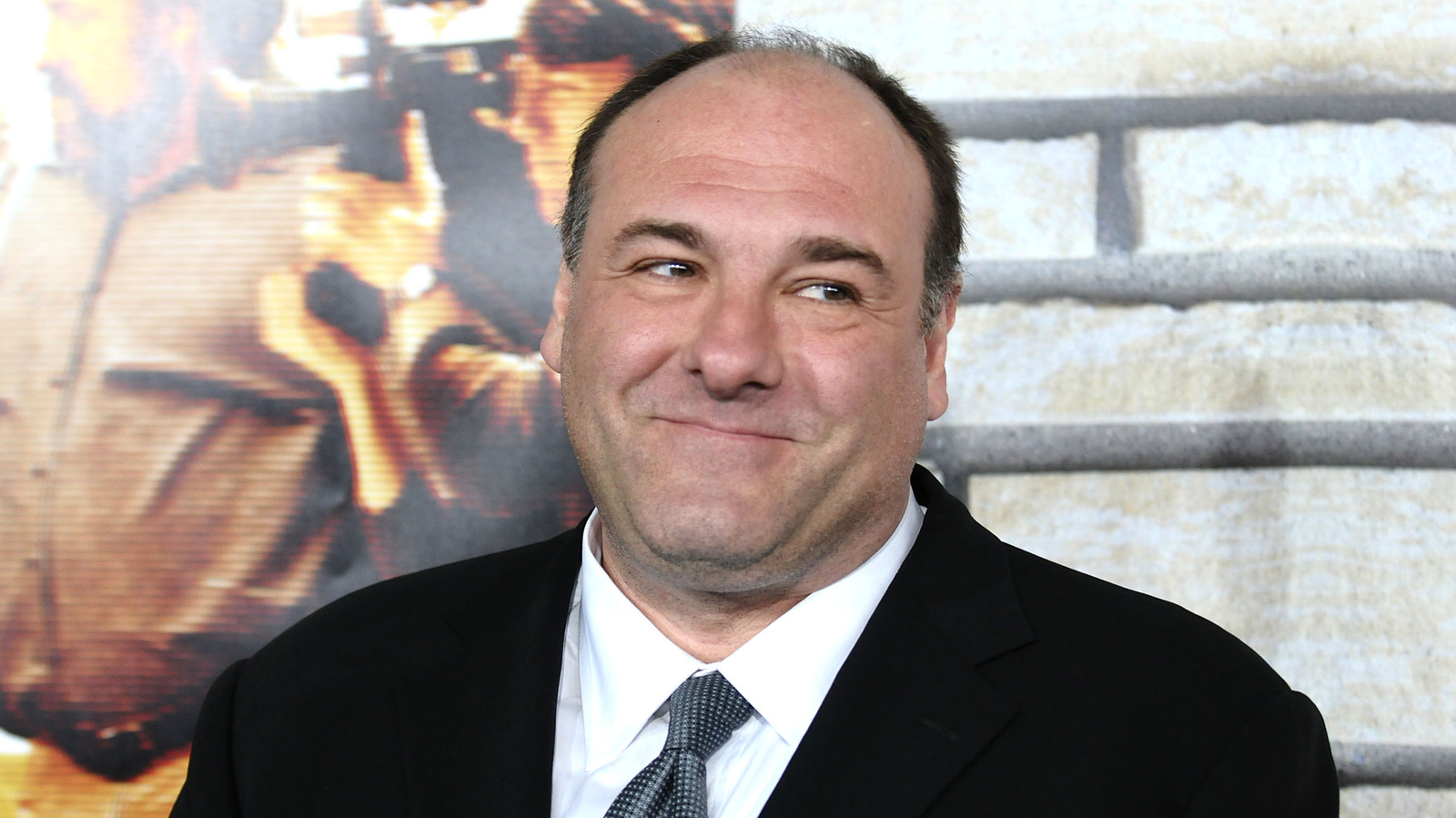
HBO paid James Gandolfini $3 million to prevent him from taking a role on The Office following Steve Carell's departure. This move was ostensibly aimed at preserving Gandolfini's legacy as Tony Soprano on The Sopranos. Co-stars Michael Imperioli and Steve Schirripa revealed these details on their podcast, Talking Sopranos, igniting discussions around the implications of such financial decisions in the television industry.
After Carell left The Office in 2011, discussions about replacing him, including Gandolfini as a candidate, came to light. Imperioli mentioned that Gandolfini was approached about joining the cast, prompting conversations about whether the talented actor could successfully transition from intense drama to comedy. According to Schirripa, HBO made an offer of approximately $4 million to Gandolfini for the role, but the network ultimately decided to pay him $3 million to decline it. This choice highlights HBO's protective strategies regarding key talent and the networks they manage.
The decision to keep Gandolfini from The Office reflects a complex interplay of artistic and commercial interests. Schirripa hinted that HBO saw this arrangement as a way to uphold the legacy of The Sopranos, a series that had redefined television drama. The financial package offered to Gandolfini also signifies HBO’s commitment to its existing agreements, ensuring that their leading man remained aligned with the brand that solidified his career.
Daniel Chun, a writer and producer for The Office, confirmed the interest surrounding Gandolfini’s involvement with the series. In the oral history book titled The Office: The Untold Story of the Greatest Sitcom of the 2000s, Chun recounted that Gandolfini expressed admiration for the show. However, he conveyed reluctance regarding his aptitude for comedy, stating that he wasn’t entirely confident in his comedic timing. Despite this uncertainty, his willingness to explore different genres illustrates the actor's desire to diversify his portfolio beyond his iconic role.
James Gandolfini, who passed away in 2013, is best known for his portrayal of Tony Soprano, which left a remarkable impact on television history. Following The Sopranos, Gandolfini sought roles that diverged from the intense character he had portrayed for six seasons, starring in films such as The Taking of Pelham 123 and Enough Said. The calculated decision to keep him from The Office showcases the protective nature of HBO towards a talent that had become synonymous with its brand, emphasizing the significance of character legacy in the industry.
Gandolfini had also voiced ambitions to prove himself in a variety of roles, which adds layers to his narrative as an actor navigating the complexities of typecasting in Hollywood. This context fosters reflection on how his participation in The Office could have reshaped the sitcom landscape of that era.
This revelation has prompted renewed interest in Gandolfini's career choices and the surrounding circumstances of major casting decisions during a pivotal time in television. While he ultimately did not join The Office, the investment by HBO demonstrates the weight his legacy carried in the industry. Fans of Gandolfini and The Sopranos now find themselves pondering the potential impacts of his involvement in sitcoms at the time, leading to broader discussions about legacy and opportunity in the world of entertainment.
For more insights on Gandolfini's influence, check out our articles on James Gandolfini's Doubts About HBO's Casting for The Sopranos and the evolution of popular sitcoms post-cancellation.
Entertainment news
EpisodeBreakdown may use automated tools to assist research, drafting, and formatting. Published pages are governed by our editorial and corrections policies, and source links are shown when they are available in the article record.
Discovery source: TVLine. The source identifies where the topic was discovered; EpisodeBreakdown is responsible for the commentary published on this page.
Reader response
Reactions and poll results are based on real reader responses. No account is required.