movies
Exploring the Themes of Teenage Identity in 'Teenage
Analyzing the box office disappointments of He-Man and the Masters of the Universe across decades.
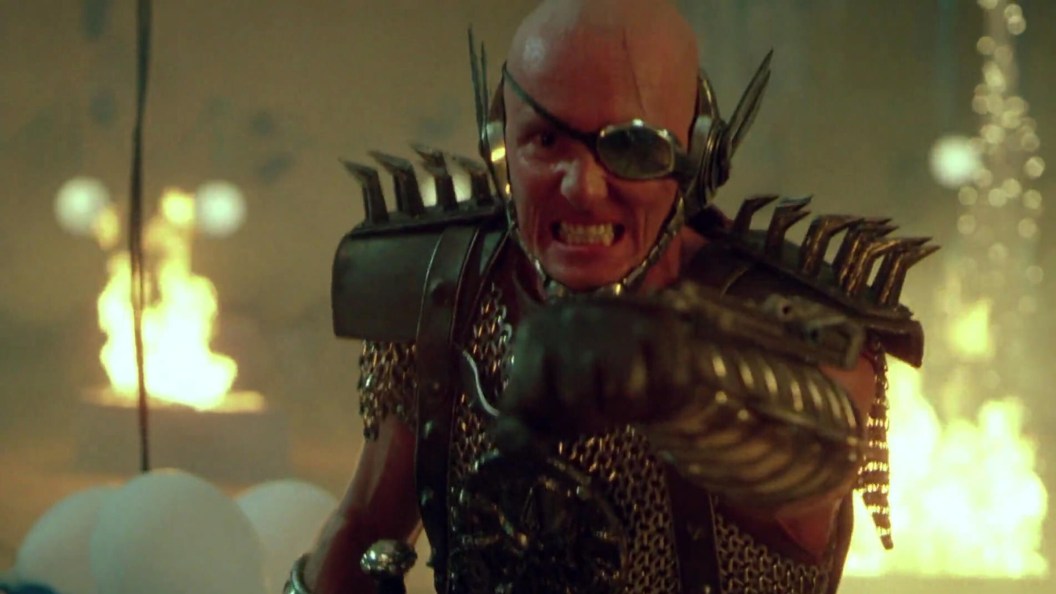
In simple terms, the central question surrounding He-Man and the Masters of the Universe revolves around why adaptations of this beloved toy line have consistently struggled at the box office. The 1987 live-action movie did not meet financial expectations, and despite a more modern reboot in 2026, the franchise again faced disappointing results. Here is what is confirmed: both adaptations encountered significant challenges in appealing to audiences, despite the franchise's nostalgic value and cultural significance.
The original He-Man and the Masters of the Universe film hit theaters in 1987, buoyed by the success of the toy line and its animated series. However, it failed to capture the same magic on the big screen. With a modest budget of approximately $22 million, the film grossed a mere $17 million worldwide—resoundingly a box office failure. Critics were not kind, pointing out its derivative plot and lackluster execution, resulting in a dismal 21% score on Rotten Tomatoes. Notably, Frank Langella’s portrayal of Skeletor earned praise, yet Dolph Lundgren's performance as He-Man reportedly did not resonate with audiences or the actor himself, who was not interested in a continuation of the project.
Decades later, the decision to revisit He-Man came with the 2026 reboot. Directed by Travis Knight, known for his work on Bumblebee, this new adaptation had much higher stakes with a significant budget of $170 million. In terms of financial performance, however, it fared just as poorly, grossing around $114 million globally. The sheer scale of investment necessitated a much larger return, typically requiring a film to double its budget to be deemed successful. Although this new version aimed to capitalize on a renewed interest in nostalgic franchises, it ultimately confirmed that the Masters of the Universe brand did not maintain the cultural relevance needed to justify such a lavish budget.
While box office numbers tell one story, the critical reception of the 2026 film presents another. Unlike its predecessor, this reboot scored a respectable 67% on Rotten Tomatoes and was largely seen as an entertaining adventure. The ensemble cast, including Nicholas Galitzine as He-Man and Idris Elba in a supporting role, delivered performances that resonated with viewers. The surprise element of having Dolph Lundgren make a cameo contributed to nostalgic appeal, adding layers of interest among long-time fans. Following its release on streaming platforms, audience ratings climbed, reflecting a positive reception with an 86% rating from viewers. This dichotomy highlights that while theatrical performance was lackluster, the film found a home in the streaming age, which often favors repeat viewings and more intimate audience engagement.
One of the central themes affecting both adaptations is the complex relationship audiences have with nostalgia. Working with a franchise like Masters of the Universe brings built-in expectations, as it is tied to formative experiences for many fans. The initial film might have expanded beyond its animated roots, diluting what made the series special for viewers of the time. Conversely, while the 2026 reboot attempted to honor this rich legacy, it grappled with the challenge of modernizing the story for new audiences while simultaneously appeasing die-hard fans. The balance between innovation and tradition remains a precarious tightrope.
Despite mixed box office outcomes, the future of He-Man and the Masters of the Universe remains uncertain yet hopeful. The success of the reboot on streaming services has reinvigorated discussions of the franchise's potential for a revival, perhaps in the form of a TV series or spin-off rather than another theatrical film. As audiences continue to embrace streaming as a primary form of content consumption, there could be opportunities for new stories within this universe to find a following outside traditional film metrics.
The disappointing box office performances of He-Man and the Masters of the Universe serve as a case study in the complexities of franchise adaptations. While both attempts have floundered commercially, their analysis reveals valuable lessons about audience expectations, nostalgia, and the evolving landscape of entertainment consumption. Moving forward, the franchise might pivot to streaming, where it has found its niche, suggesting that while not all cinematic ventures thrive, beloved properties can still engage audiences in meaningful ways through different platforms.
Movie explanation
EpisodeBreakdown may use automated tools to assist research, drafting, and formatting. Published pages are governed by our editorial and corrections policies, and source links are shown when they are available in the article record.
Discovery source: ComicBook.com. The source identifies where the topic was discovered; EpisodeBreakdown is responsible for the commentary published on this page.
Reader response
Reactions and poll results are based on real reader responses. No account is required.
This article dives into the key themes and character motivations of 'Teenage Sex and Death at Camp Miasma,' revealing a deeper understanding of youthful exploration.