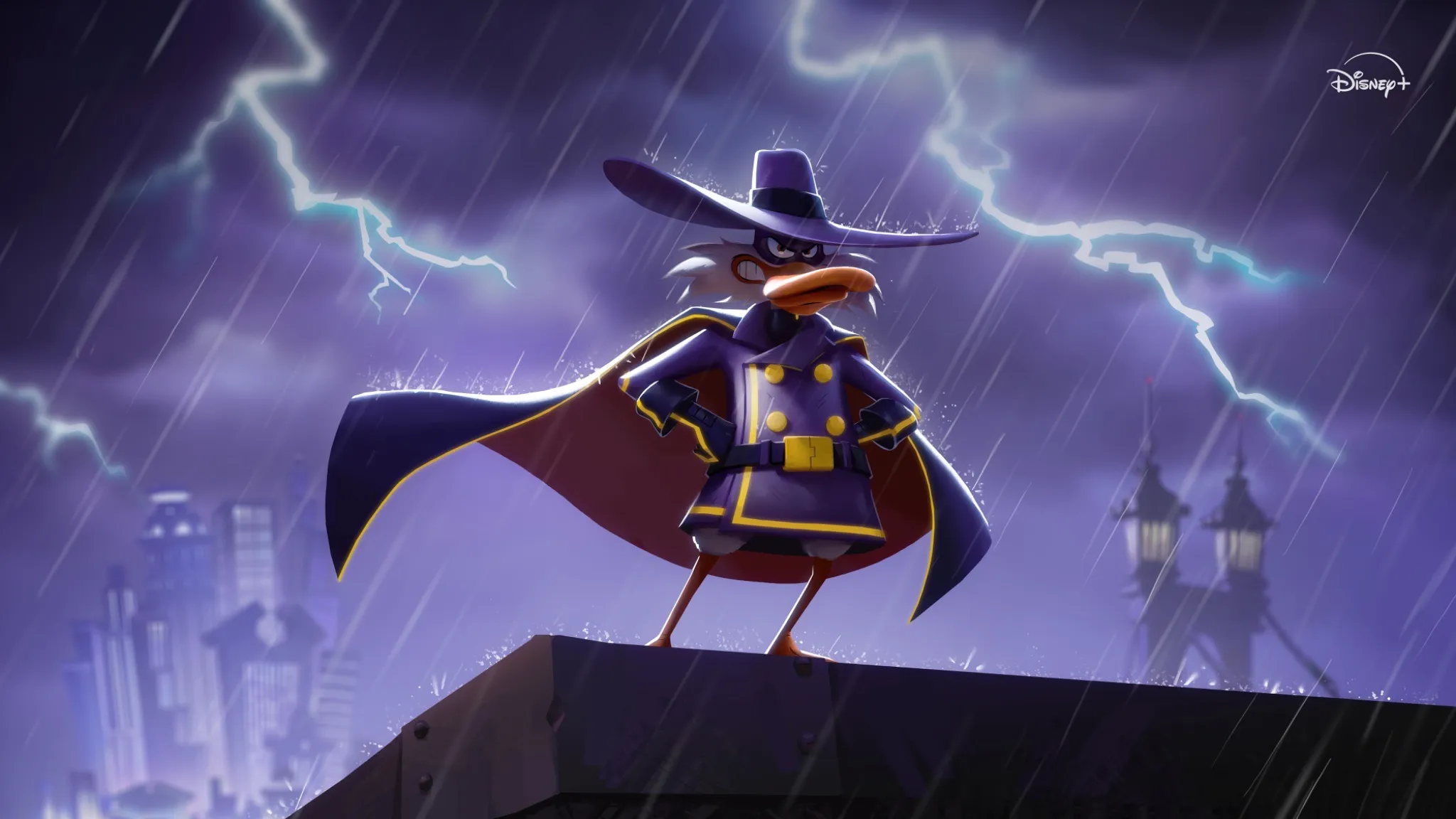
‘Darkwing Duck’ Reboot Ordered to Series at Disney+
Disney+ has officially ordered a reboot of ‘Darkwing Duck’ to series, featuring a star-studded voice cast, including Mark Hamill and Seth Rogen.
He-Man and the Masters of the Universe, a beloved 1980s animated series, has had two failed film adaptations.
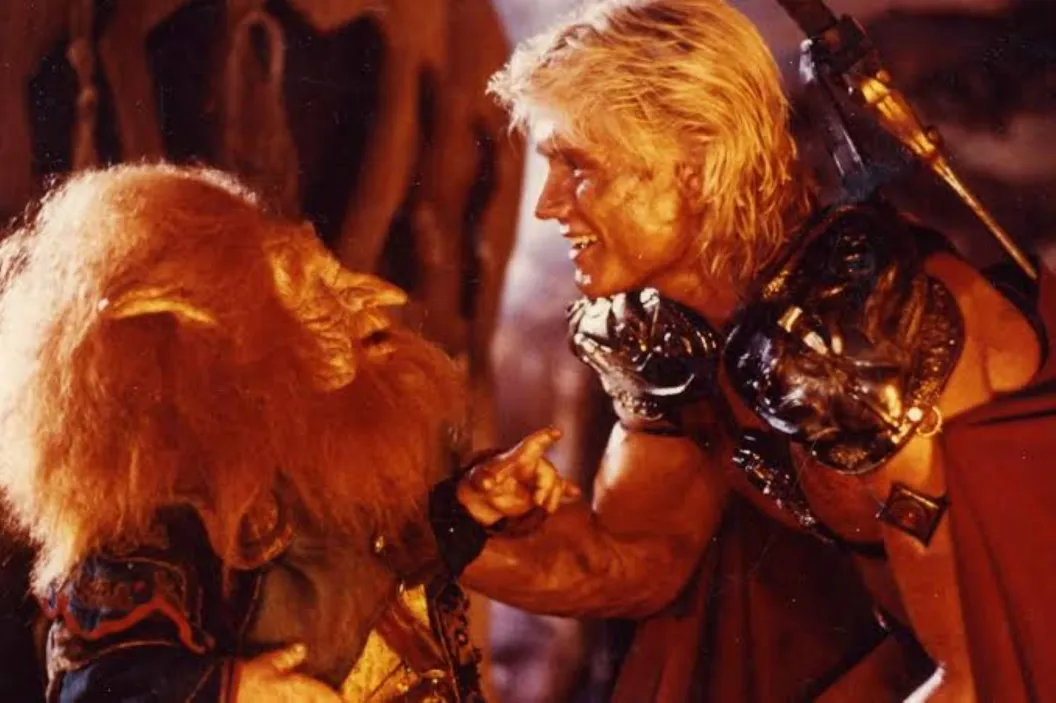
He-Man and the Masters of the Universe is not just an animated series; it is a cultural phenomenon that first premiered 43 years ago, on September 5, 1983. Created by Mattel and produced by Filmation Studios, the series became synonymous with 1980s pop culture. He-Man's vibrant storytelling, infused with themes of heroism and adventure, resonated with children and established a significant impact on television and children's toy marketing.
The series ran for a total of 130 episodes, effectively establishing itself not only as a popular television show but also as a critical factor in creating a market for toy-based animated series during its time. This was particularly notable following the rollback of FCC rules on advertising in children's programming, which permitted companies to invest heavily in marketing through animated adventures. The narrative arc centered around Prince Adam of Eternia, who transformed into He-Man through the power of his Sword and battled the evil Skeletor. The enduring appeal of the series lies in its combination of action, moral lessons, and memorable characters.
Despite its unparalleled success as a television show, He-Man has faced significant challenges translating that popularity into successful film adaptations. The first attempt, Masters of the Universe (1987), deviated drastically from its source material. Critics lambasted it for its poor writing and confusing plot choices, leading to a dismal box office performance and widespread disappointment among fans.
The second attempt, also titled Masters of the Universe, released in 2026, aimed to modernize the character. Although it garnered positive reviews for its attempt to engage a new audience, it struggled at the box office as it premiered alongside major blockbusters like Obsession. This second adaptation received mixed feedback, but lacked the innovative flair needed to stand out, ultimately failing to capture the essence that made the original series beloved.
Despite the setbacks in cinematic adaptations, the legacy of He-Man continues to thrive across various forms of media. The character has appeared in comic book collaborations, animated series on platforms like Cartoon Network and Netflix, and even in viral internet memes. This ongoing presence underscores the nostalgia surrounding He-Man, keeping the fandom alive and active. The franchise has adapted to changing media landscapes while demonstrating resilience in diversifying its storytelling and character exploration.
He-Man and the Masters of the Universe has remained relevant for decades, illustrating how some properties can transcend their initial formats and maintain cultural significance. What was once a toy line transformed into a television sensation has paved the way for future media explorations. With a narrative rich in dramatic battles and moral lessons, He-Man's story continues to evolve, captivating new generations of fans.
For more coverage on He-Man and the Masters of the Universe, check out our articles on the success of 1980s cartoons and comic book adaptations.
What this means
The enduring legacy of He-Man underscores how animated series rooted in toy lines can maintain cultural significance beyond their original broadcasts. Although film adaptations may struggle to effectively convey the magic of the source material, the He-Man franchise showcases resilience in enriching its presence across diverse media. The character's story, filled with daring adventures and moral teachings, ensures that He-Man will continue to capture the hearts of both longtime fans and newcomers for years to come.
Entertainment news
EpisodeBreakdown may use automated tools to assist research, drafting, and formatting. Published pages are governed by our editorial and corrections policies, and source links are shown when they are available in the article record.
Discovery source: ComicBook.com. The source identifies where the topic was discovered; EpisodeBreakdown is responsible for the commentary published on this page.
Reader response
Reactions and poll results are based on real reader responses. No account is required.