
Alan Ritchson Discusses Obstacles for Fast Forever
Alan Ritchson provides insights into why 'Fast Forever', the upcoming 'Fast & Furious' installment, is facing significant production challenges.
A deep dive into horror movies that challenge our empathy for their victims, revealing how character choices shape audience perceptions.
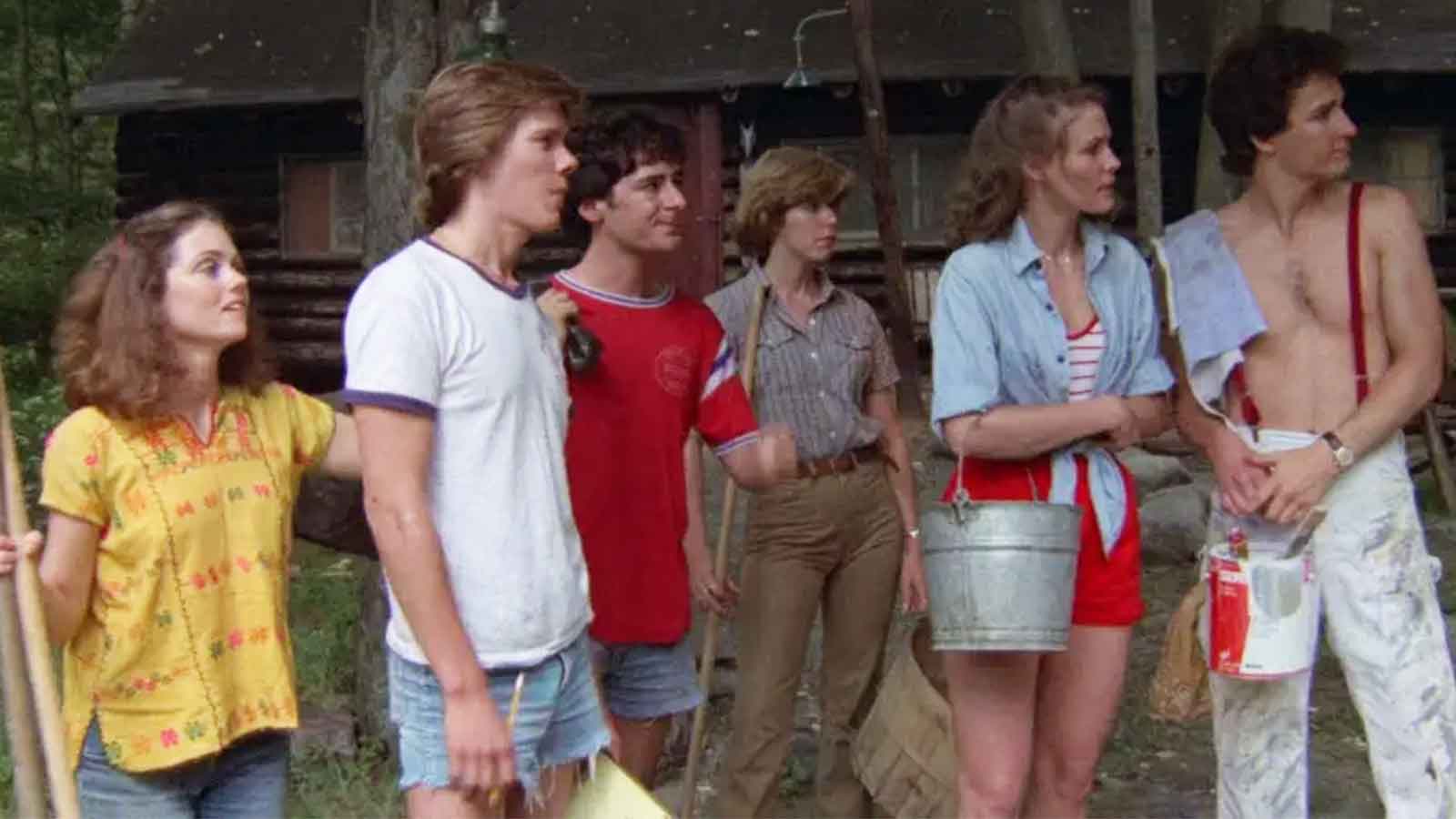
Horror films often invite viewers to root for survivors, but some movies flip this expectation on its head. In simple terms, these films feature victims whose flaws or misdeeds make it hard for audiences to feel sorry for them. This analysis explores how the choices and characteristics of these characters lead not only to their fates but also transform the viewer’s connection to their demise.
The central question in these narratives is whether a victim’s actions justify their ultimate fate. The answer, as evidenced in various horror films, predominantly leans towards no. Characters who ignore warnings, treat others poorly, or create chaos often unveil a dark irony: instead of invoking sympathy, they garner a sense of poetic justice in their downfalls. This article aims to dissect key films that delve into this unsettling theme, unpacking the choices that lead to these results.
In multiple horror narratives, protagonists disregard significant warnings at their peril. For instance, Jack from Friday the 13th exemplifies the archetype of the overly carefree character. His decision to prioritize fun at Camp Crystal Lake overshadows the imminent threat surrounding him. Thus, when he meets his demise, it feels more like a foregone conclusion than a tragedy. The audience can only anticipate this outcome, making his fate feel like deserved punishment rather than unfortunate life loss.
Another notable example is Lewis from The Cabin in the Woods, who mocks the very notion of danger stalking him. His derision for the supernatural elements leaves no room for empathy once reality hits. Both characters serve as reminders that ignorance can lead to dire consequences, reinforcing the narrative that some victims create their own misfortunes.
Many horror films also highlight victims whose unrelenting cruelty traps them in their narrative arcs. Judy from Sleepaway Camp, who relentlessly bullies Angela, fits this mold well. Her torment reflects a toxic existence that, when met with dire consequences, feels like the ultimate form of poetic justice. Rather than experiencing pity, audiences often feel a sense of satisfaction as her unkind nature leads to her downfall.
Similarly, Chris from Carrie embodies the tragic irony of cruelty begetting suffering. Her continual torment of Carrie escalates until the plot culminates in violence. Audiences’ reactions shift from concern to vindication as justice is served—a chilling reminder that aggressive behavior can yield fatal repercussions.
Characters who take on leadership roles often find themselves embroiled in disastrous situations due to selfish choices. A stark example is Juno from The Descent. Her insistence on leading her friends into a dangerous cave—while hiding her traumatic past—creates a sense of betrayal. The selfish decisions she makes expose her friends to unneeded peril, which makes audiences less inclined to empathize with her eventual fate.
This tendency to act out of self-interest also appears in Christine from Carrie. She prioritizes career concerns over empathy, ultimately triggering a curse. Here, the audience grapples with the ethical dilemma of how much sympathy a character deserves when their actions spark chaos.
Characters who display publicly despised traits often lead to audience anticipation for their downfall rather than grief. Take Mark from Midsommar, who continually makes disrespectful comments about local customs, disregarding the culture he invaded. When he meets his end, audiences feel a twisted sense of satisfaction rather than sorrow. His actions throughout the film contribute to an inevitable sense of karma, demonstrating how poor character choices can fuel audience resentment.
Conversely, Franklin from The Texas Chainsaw Massacre is noted for his abrasive personality. He constantly complains and creates tension, resulting in a complex emotional response from viewers. While his tragic demise holds weight, the mixed feelings highlight how flawed character portrayals shape viewing experiences.
Exploring horror films with unsympathetic victims reveals a deeper commentary on morality and justice. As audiences face characters who perpetuate their disasters, the genre unveils the complexities of human behavior. By placing such characters in perilous situations, these films challenge viewers to confront their biases about sympathy and deserve outcomes.
Not all horror stories tether us to sympathetic advancements; some pave the way for introspection about our own moral standings. Films like Evil Dead and A Penance for Crows exemplify how even protagonists can tread dangerous waters when moral grounding is less than solid. The reflection and analysis of these films offer audiences fascinating ways to engage with the horror genre beyond mere frights.
Ultimately, the horror genre thrives on exploring the darker sides of human nature. In narratives where victims evoke little sympathy, audiences are given the chance to evaluate their reactions to moral failings. This reflection enriches the experience, promoting a nuanced understanding of character motivations while engaging with thrilling narratives. Movies where we don't feel bad for the victim also compel us to reckon with our expectations of justice within fictional spaces.
For those interested in delving deeper into the exploration of character dynamics, consider checking out Evil Dead Burn: Unpacking the Horror Legacy and Demon Hunters: A Unique Blend of Cultures in Action Horror for further insights into how character portrayals shape emotional engagement in horror films.
Movie explanation
EpisodeBreakdown may use automated tools to assist research, drafting, and formatting. Published pages are governed by our editorial and corrections policies, and source links are shown when they are available in the article record.
Discovery source: Den of Geek. The source identifies where the topic was discovered; EpisodeBreakdown is responsible for the commentary published on this page.
Reader response
Reactions and poll results are based on real reader responses. No account is required.