test
asdasd
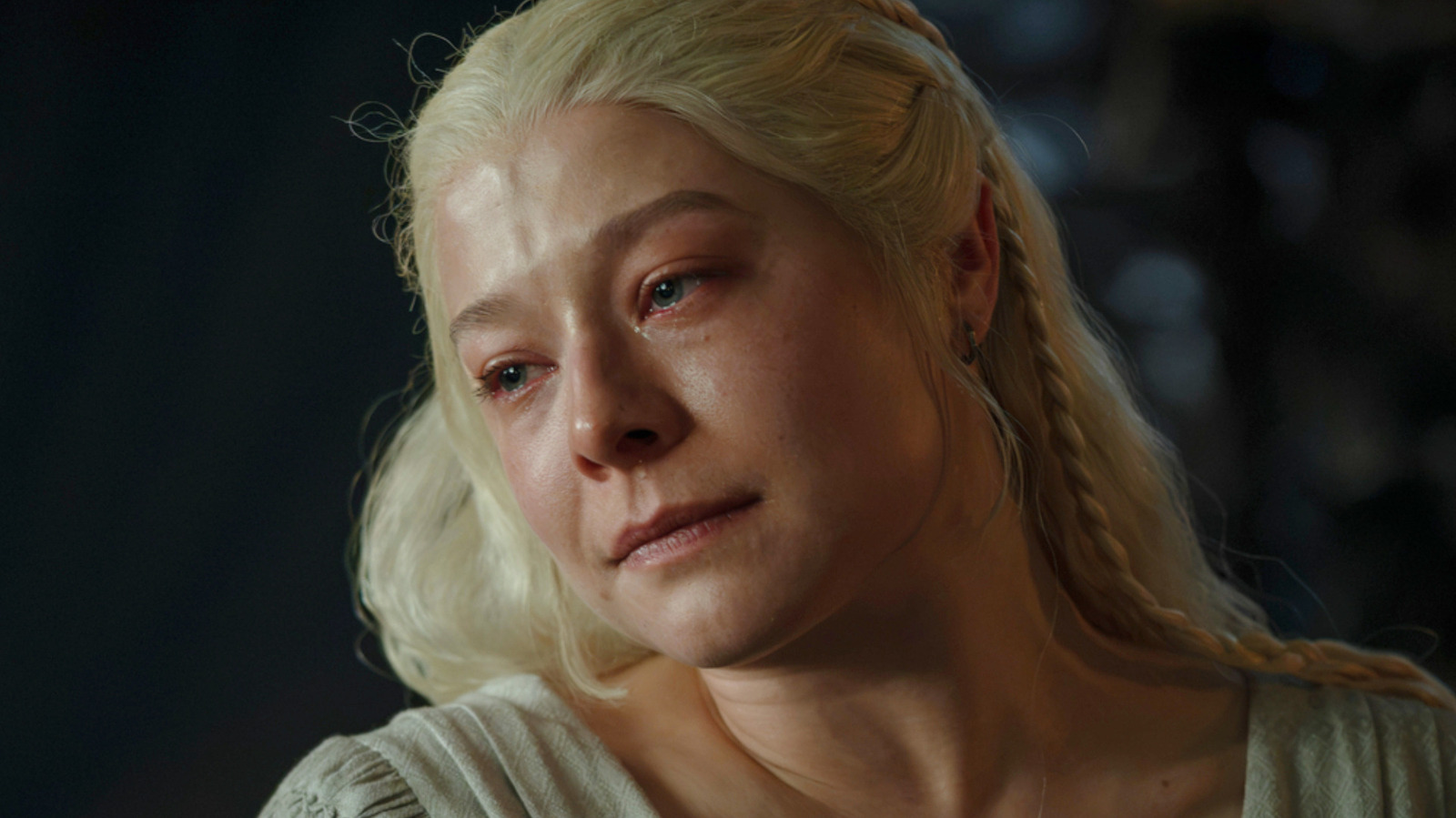
Season 3 of House of the Dragon concludes with Helaena Targaryen's tragic death, reflecting George R.R. Martin's concerns over character motivation.
Explore the franchise
In simple terms, the tragic death of Queen Helaena Targaryen in the Season 3 finale of House of the Dragon starkly proves George R.R. Martin's concerns about character motivations in the adaptation. This heartbreaking turn not only leaves the audience in shock but also raises significant questions about storytelling choices. Readers seeking a deeper understanding of this pivotal moment will benefit from exploring the contrasts between the show and the source material.
Helaena’s death is not just another loss in the ongoing conflict of Westeros but symbolizes the narrative failures that some critics feel plague Season 3. The shocking suicide resonates deeply, challenging the viewer to consider the emotional weight it carries in the context of her character journey. While the event itself aligns with elements from Martin's Fire & Blood, the motivations presented in the show diverge markedly, prompting a debate about character agency versus narrative necessity.
The show had previously hinted at Helaena's struggles, building anticipation for her character. Yet, despite this development, her unceremonious end feels rushed and lacking in substantial motivation. Rather than displaying a gradual emotional unraveling, her decision to leap from a window appears almost instantaneous, propelled by one remark from another character. In doing so, House of the Dragon inadvertently minimizes her grief and resilience, thus failing to honor her complexity, as highlighted by viewers and critics alike.
Famed author George R.R. Martin had voiced apprehension regarding how Helaena's narrative arc was portrayed in the show. He believed the adaptation diluted her motivations, reducing a significant character moment to an abrupt event lacking adequate buildup. This criticism is echoed by many who feel that, while changes in adaptations are often necessary, they should not come at the cost of character depth and insight. The scene's chilling horror does effectively serve as a reminder of the real costs of war, however, it risks being overshadowed by its execution.
To contrast, in Martin's Fire & Blood, Helaena's eventual demise is shrouded in more layers of tragedy and emotional groundwork. Her captivity is depicted as bleak and torturous from the outset, adding depth to her motivations and mental state. The death of her son within the source material also adds significant weight, creating a narrative sunk deeper in emotional conflict, which the adaptation has struggled to replicate.
Viewers are left grappling with Helaena's abrupt exit as they ponder its significance. Many have expressed frustration over the lack of closure and meaningful resolution of her struggles within the narrative framework established throughout the season. Although her heartbreaking end was expected by those familiar with the source text, the execution leaves audiences yearning for a more profound reflection on the layers of her character and the emotional turmoil instigated by war.
Reflecting on season one and two, House of the Dragon evolved into a series distinguished by intense political strife and interpersonal drama. Yet, as this chapter comes to an end, with only one season left to wrap up the saga, fans are increasingly concerned about how the series will reconcile its past narrative choices with future arcs. With Helaena's tragic fate serving both as a cautionary tale and a narrative observation from Martin, the direction it takes next becomes crucial in crafting an engaging and emotionally resonant conclusion.
In conclusion, Helaena's devastating death in Season 3 stands as a testament to both the potential pitfalls of adaptation and the emotional resonance of the original text. While it succeeds in delivering a shocking and dramatic moment, the execution raises crucial discussions about character depth and narrative coherence. As the series gears up for its final season, it remains to be seen how it can rectify these issues to deliver a truly satisfying conclusion to its complex tale.
For those interested in further analyzing the implications of this event, be sure to check out Helaena's Fateful Turn in House of the Dragon: Ending Explained and House of the Dragon Season 3 Finale Explained.
Episode breakdown
EpisodeBreakdown may use automated tools to assist research, drafting, and formatting. Published pages are governed by our editorial and corrections policies, and source links are shown when they are available in the article record.
Discovery source: Slashfilm. The source identifies where the topic was discovered; EpisodeBreakdown is responsible for the commentary published on this page.
Reader response
Reactions and poll results are based on real reader responses. No account is required.