Howard the Duck: Marvel's Bizarre Cinematic Debut
Dive into the legacy of Howard the Duck, Marvel's first bizarre cinematic experiment, exploring its themes, character decisions, and lasting impact.
An exploration of how contemporary viewers engage with films and the impact on movie criticism.
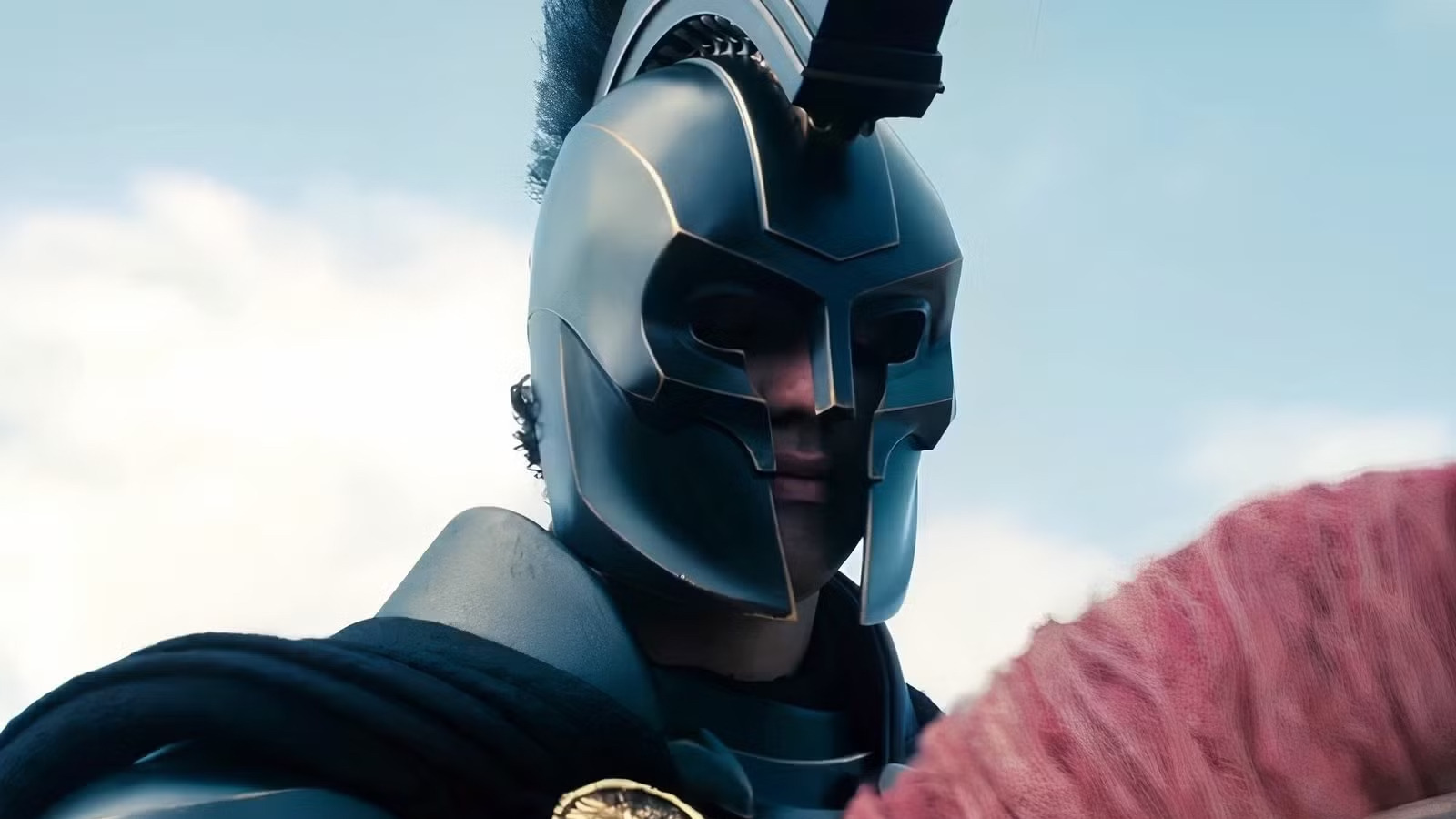
In simple terms, the central question posed is: How have audiences forgotten how to engage meaningfully with films? The answer lies in a combination of social media culture and diminishing media literacy. This has led to an era where film criticism often devolves into nitpicking, as opposed to deeper analysis of a movie's themes and storytelling methods. Chris Evangelista provides insights into the debate surrounding contemporary films, particularly focusing on reactions to Christopher Nolan's "The Odyssey."
The crux of the argument centers on the notion that many viewers treat films as mere checklists rather than complex narratives filled with artistic intent. Evangelista identifies how reactionary commentary online fuels an environment where meaningful critique gets overshadowed by distractions. This isn't just limited to Nolan's work but extends to a wide spectrum of films, with audiences falling prey to an online culture that prizes hot takes over informed discussion.
One of the most alarming developments is the tendency to engage in endless nitpicking. In the case of films like "The Odyssey," some viewers have taken issue with specific casting choices, drawing attention away from the narrative and thematic depth of the work. For instance, when the casting of Lupita Nyong'o as Helen of Troy sparked controversy, it led certain critics to dismiss the film entirely based on superficial disagreements. This critical misstep highlights a fundamental misunderstanding of what adaptations can achieve.
Adaptation is inherently an art form that invites reinterpretation. Evangelista argues that many moviegoers misunderstand this, demanding a 1:1 correlation between source material and the film. Yet adaptation is about transformation; it allows for the evolution of themes to resonate with modern audiences. Spielberg’s "Jaws" exemplifies how a movie can surpass its original material in powerful ways, a feat that ample viewers seem to overlook in contemporary adaptations. For more on this concept, see our analysis of Analyzing 'Rising Sun': Crichton's Forgotten Thriller.
A vital aspect of enjoying cinema is the ability to suspend preconceived notions and engage with the film itself. Evangelista emphasizes the importance of examining what a film aims to convey rather than focusing on what it fails to deliver according to personal expectations. This can open viewers' minds to new interpretations, enlightening them beyond traditional critique frameworks. When assessing Nolan's film, considering its narrative complexities and thematic resonance is far more beneficial than merely pointing at discrepancies or faults. Understanding this process is crucial for enriched viewing experiences.
The evolution of film critique coincides with the rise of social media platforms. Commentators often rush to share opinions, seeking virality over in-depth analysis. Platforms reward sensationalism, leading to a less educated discourse where actual film critique is buried under noise. This is exacerbated by formats like CinemaSins, which have normalized a mechanical approach to movie watching that reduces films to flaws and nitpicks. Engaging more thoughtfully can counteract this trend and encourage healthier discussions about film. For insights on critical movie themes, check out Exploring the Most Suspenseful Thriller Movies of All Time.
Return to the core of what adaptations signify. They are not mere translations of source material but interpretations that can hold new meanings relevant to contemporary audiences. This understanding invites richer discourse around films and encourages viewers to appreciate artistic evolution. Nolan's adaptations, while perhaps divisive, showcase the transformative potential of storytelling, pushing us to reconsider how narratives function over time.
Engaging with movies requires more than just a surface-level critique; it's about understanding their artistic context and acknowledging the intent behind choices made by filmmakers. By looking beyond the immediate, viewers can find deeper connections and appreciate the storytelling craft. Media literacy revitalizes our relationship with films, encouraging viewers to explore rather than dismiss after a hasty judgment. If we want to reinvigorate how we watch movies, we must embrace nuanced discussion and education. It's time to experience cinema as a learning journey, allowing for the exploration of narratives and themes without the shackles of preconceived notions or reductive critiques.
For those interested in contemporary cinema discussions, consider checking out our piece on Examining 2026's Most Celebrated Movies: A Deep Dive.
Movie explanation
EpisodeBreakdown may use automated tools to assist research, drafting, and formatting. Published pages are governed by our editorial and corrections policies, and source links are shown when they are available in the article record.
Discovery source: Slashfilm. The source identifies where the topic was discovered; EpisodeBreakdown is responsible for the commentary published on this page.
Reader response
Reactions and poll results are based on real reader responses. No account is required.