Godzilla
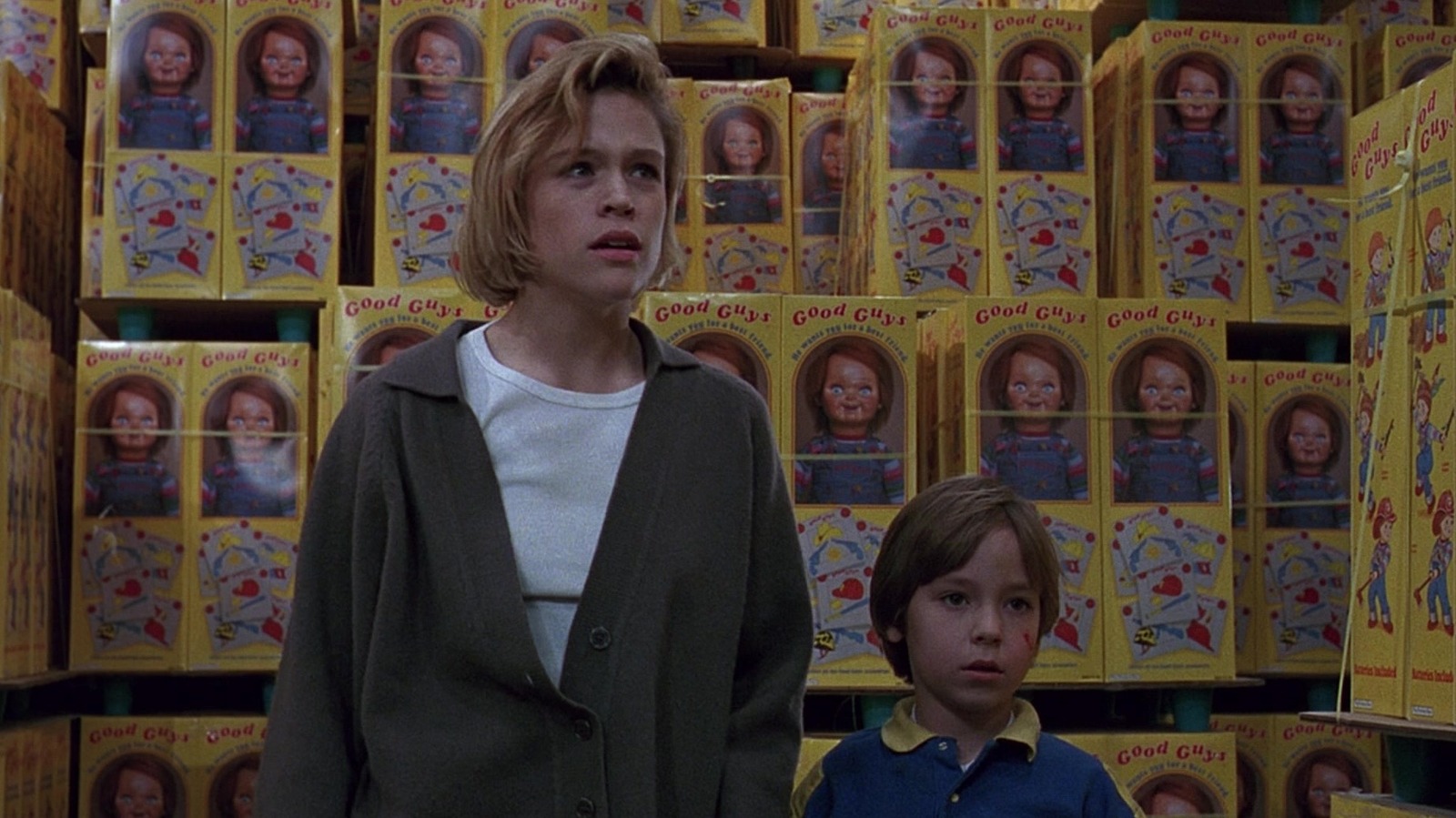
Exploring the Child's Play Franchise on Netflix
Dive into the themes, character choices, and plot developments of the 'Child's Play' franchise now streaming on Netflix.
Exploring Olivia Wilde’s I Want Your Sex reveals why it struggled at the box office despite good reviews.
In simple terms, Olivia Wilde's latest release, I Want Your Sex, has failed to connect with audiences, which raises a central question: Why has this film, despite solid critical reviews, struggled so dramatically at the box office? The answer lies in a combination of marketing missteps, competition, and audience readiness for its themes.
The film has grossed a disappointing $600,000 worldwide, a stark contrast to the success of Wilde's prior project, The Invite, which effectively captured audience interest and generated about $38.49 million globally. Here is what is confirmed: the limited marketing effort for I Want Your Sex left many potential moviegoers unaware of its release. Moreover, its R-rating likely restricted its audience base, and the film's opening in just 700 theaters placed it at a severe disadvantage, especially when compared to larger releases like Spider-Man 4, which rolled out across approximately 4,500 screens.
In an era where theaters are filled with major releases, I Want Your Sex faced fierce competition. Movies like Spider-Man 4, The Odyssey, and family-friendly films such as Moana dominated the landscape, making it hard for a less-known title to attract viewers. Released simultaneously with so many blockbusters, I Want Your Sex suffered from lack of visibility and buzz, two essential ingredients for box office success.
At its core, I Want Your Sex delves into themes of sexual exploration, creativity, and the complex dynamics of power in relationships. Protagonist Elliot, an aspiring artist, lands a job with the notorious artist Erika Tracy, who embodies a provocative and controversial persona. Elliot's transformation into her sexual muse builds a narrative that raises uncomfortable questions about the intersections between art, sexuality, and personal agency. The film offers a portrayal of a young man's navigation through sexual and artistic maturity, drawing on the age-old discussion of the artist's muse.
While critics have praised the film's exploration of these themes, with an 89% positivity rating on Rotten Tomatoes, audience responses seem more subdued as indicated by a 60% score on the same platform. This discrepancy intimates that while the thematic material may resonate on a critical level, it could be challenging for general audiences to digest.
Analyzing the contrasting performances of I Want Your Sex and The Invite offers a deeper understanding of the marketplace. The Invite benefited from a steady rollout and positive audience engagement that increased its box office gross week after week. The film opened with $379,104 and saw a significant jump to $5.93 million in its third weekend. This trajectory highlighted the power of word-of-mouth and sustained interest, essentials missing from the launch of I Want Your Sex.
The significance of effective marketing cannot be overstated, especially in a landscape saturated with competition. While The Invite employed a comprehensive marketing strategy harnessing social media, trailers, and strategic release timing, I Want Your Sex suffered from a modest marketing push that ultimately obscured it from potential viewers. Previously, Wilde's projects thrived on the buzz generated around them, but this one lacked that critical momentum.
While details about the film's ending remain less discussed, the conclusion symbolizes Elliot's liberation as he reconciles his identity amid the artistic and sexual journey. This resolution serves to reinforce earlier character decisions, emphasizing the transformative power of experience—a hallmark theme throughout the film. Such a layered narrative could be polarizing, leading some to interpret it positively, while others remain skeptical of its overall execution.
Despite its box office troubles, I Want Your Sex garnered a significant amount of discussion, particularly regarding its themes and character arcs. Critics noted Wilde's return to provocative subject matter, considering it reflective of contemporary societal perceptions of sexuality and artistry. For those interested in further exploring similar themes in cinema, works like Blue is the Warmest Color and Call Me by Your Name stand out as relatable comparisons.
The mixed reception of I Want Your Sex reveals much about the current film landscape—audiences crave not only interesting narratives but also a connection through marketing and ongoing conversations around the film. As the film industry evolves, understanding the factors that contribute to a project’s success or failure will continue to be critical. While I Want Your Sex may not have found its footing, its themes and character portrayals contribute to a larger discussion on human relationships, creativity, and societal norms, ensuring it's still a title worth analyzing.
For those interested in further exploration, check out our articles on The Transformative Journey of Film Characters: 15 Contrasts from Books and Understanding the Duality of Life and Death in Episode 4 of I Want to Love You Till Your Dying Day.
Finally, the conversation surrounding I Want Your Sex will undoubtedly continue as its layers and implications become more apparent over time. This film, like its themes, encourages audiences to engage critically, ultimately enriching the cinematic discourse.
Movie explanation
EpisodeBreakdown may use automated tools to assist research, drafting, and formatting. Published pages are governed by our editorial and corrections policies, and source links are shown when they are available in the article record.
Discovery source: ComingSoon. The source identifies where the topic was discovered; EpisodeBreakdown is responsible for the commentary published on this page.
Reader response
Reactions and poll results are based on real reader responses. No account is required.
A deep dive into 'Godzilla Minus Zero', exploring its major themes, character decisions, and narrative progression leading to the climax.