
Hallmark Unveils 34 New Movies for Countdown to Christmas 2026
Hallmark announces an impressive lineup for its 17th Countdown to Christmas, featuring 34 original movies starring popular stars.
The Israeli Film Council is pushing to change funding criteria as tensions rise following the Venice Film Festival’s selection of 'Naza.'
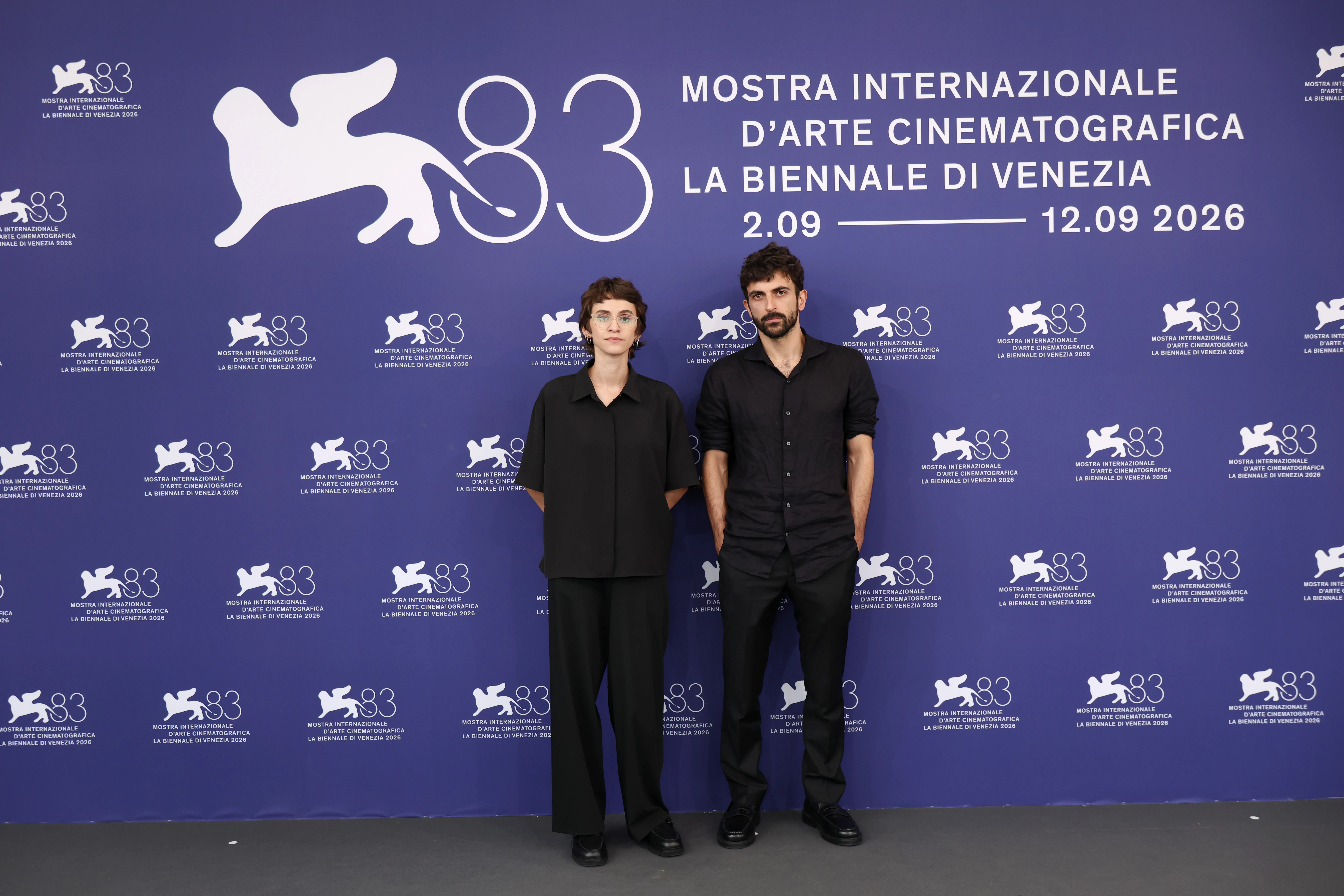
On September 17, 2026, the Israeli Film Council announced its recommendation to remove film festivals from the points system used to determine funding budgets for local films. This decision follows the Venice Film Festival's selection of the documentary Naza, which critically highlights Israel's military actions in Gaza. According to Deadline, the council aims to realign the funding framework amid escalating political and social backlash against the documentary's portrayal of Israeli military conduct.
Naza, which garnered significant attention and a 25-minute ovation at its premiere in Venice, features testimonies from 24 Israeli soldiers and intelligence officers. The film’s content has sparked considerable debate regarding its depiction of Israel's military actions and has incited a political firestorm. In response, Israeli Prime Minister Benjamin Netanyahu has vowed to revoke the citizenship of the film's co-directors, Yuval Abraham and Rachel Szor, viewing the film’s assertions as detrimental to national security. This unprecedented threat raises severe implications for freedom of expression in Israel and has led to widespread condemnation from various sectors of the film industry.
During an emergency meeting convened in the wake of Naza's premiere, the Film Council called for the removal of film festivals from funding criteria and suggested establishing a new funding strand focused on films that honor the heroism of Israeli soldiers. This proposed strand aims to support narratives aligned with the Israeli military's portrayal of its own history and achievements, thus redirecting financial support to content that reflects the government's current narrative.
In a note shared with Deadline by an Israeli producer, the Film Council explained that the modifications are intended to counter negative portrayals of Israel on the international stage. The body, which advises the Ministry of Culture on film policy, stated that the initiative seeks to bolster domestic films that resonate with Israeli identity and valorize the sacrifices of its military personnel.
The removal of film festivals from the criteria for film funding could exacerbate existing challenges faced by the Israeli cinema industry. The country’s international reputation has suffered due to recent military actions and ongoing conflict, resulting in declining global festival participation. Industry insiders suggest that excluding A-list festival selections as a criterion for funding may alienate Israeli filmmakers who aim to present their work on global platforms, potentially leading to further isolation from the international film community.
Historically, the selection of A-list festival films has played a crucial role in how funding is allocated among competing film funds. The current recommendation may shift the industry's focus away from artistic merit and recognition on an international scale, which has traditionally been a cornerstone of its film culture.
Critics have also highlighted that Naza was not financed using Israeli state funds, further questioning the effectiveness and sincerity behind the council's proposed strategies. Many argue that attempts to alter funding criteria appear more as political theater than genuine efforts to improve the film landscape.
The political environment surrounding this issue is charged, with Netanyahu pushing for stringent laws targeting those perceived as defaming Israeli soldiers, intensifying governmental pressure on artistic expression. As threats against the filmmakers escalate, political commentators and human rights organizations have raised alarms regarding the implications for artistic freedom and the safety of creators in Israel. The Committee to Protect Journalists has condemned these threats directed at Abraham and Szor, underscoring the potentially chilling effect such rhetoric can have on journalists and filmmakers.
The Israeli Film Council's proposed changes to funding criteria signal a troubling turn in the landscape of Israeli cinema, reflecting broader tensions within the country amidst warfare and dissent. By attempting to align funding with films that celebrate military actions, the council may inadvertently deepen cultural divides within its cinematic community. Filmmakers and industry professionals now face not only the challenge of funding but also potential governmental reprisals that may undermine their efforts to tell critical narratives without fear of retribution.
For more details on the implications for the film industry in Israel, see our coverage on the Dubai International Film Festival Revival and the latest developments at the Pingyao International Film Festival.
Entertainment news
EpisodeBreakdown may use automated tools to assist research, drafting, and formatting. Published pages are governed by our editorial and corrections policies, and source links are shown when they are available in the article record.
Discovery source: Deadline. The source identifies where the topic was discovered; EpisodeBreakdown is responsible for the commentary published on this page.
Reader response
Reactions and poll results are based on real reader responses. No account is required.