
Spider-Man: Brand New Day's Box Office Marvel
Analyzing the success of Spider-Man: Brand New Day's incredible box office performance and deeper themes.
Explore how Jackie Gleason's 'The Honeymooners' shaped sitcoms and left a lasting legacy on TV comedy.
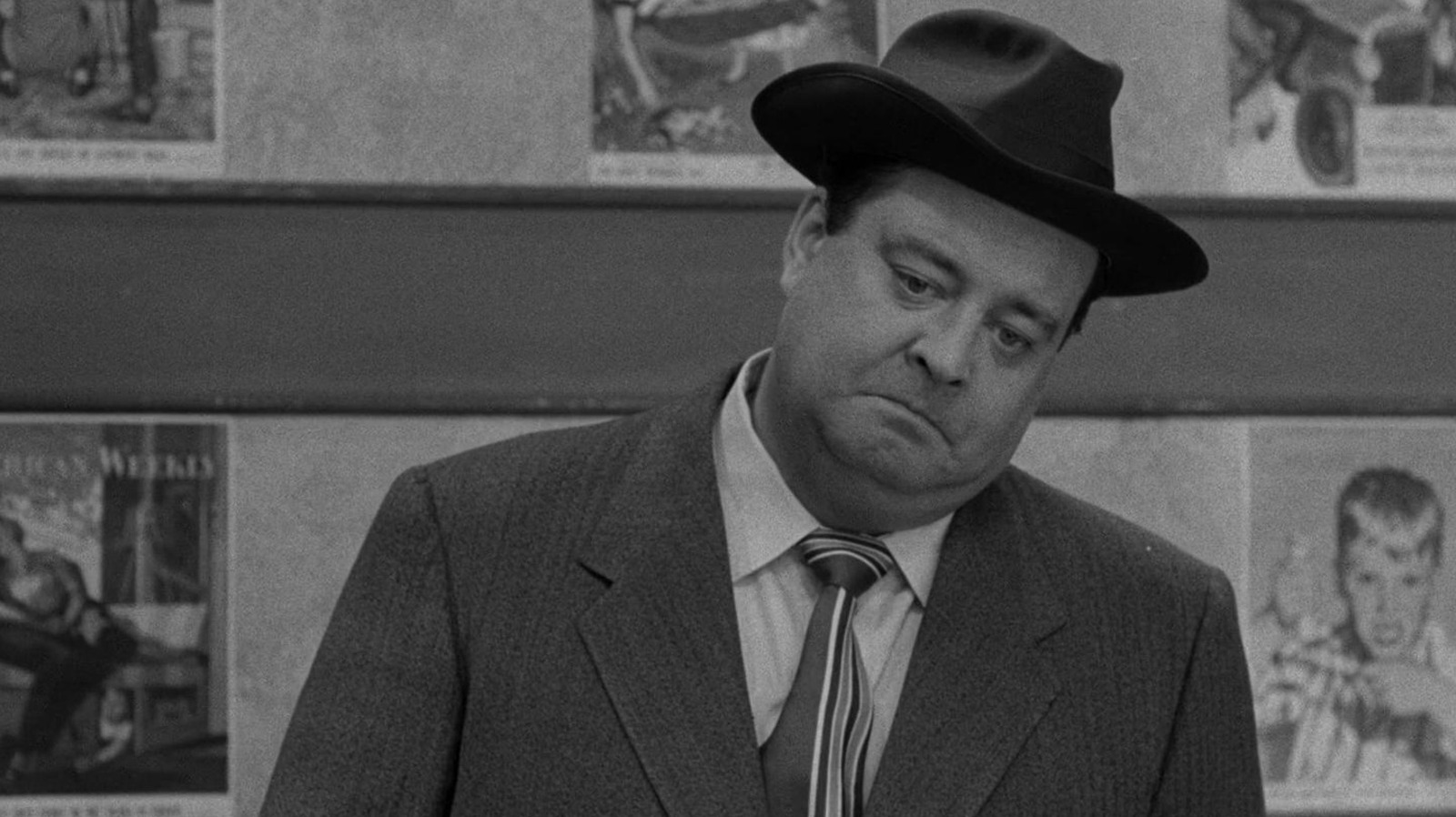
In simple terms, Jackie Gleason's 'The Honeymooners' serves as a foundational touchstone in the history of television comedy, raising critical questions about class, gender dynamics, and the everyman experience in post-war America. The series, which aired briefly in the 1950s, remains influential, inspiring countless other sitcoms and creating templates for character archetypes that persist today.
What happened is that, despite its short initial run, 'The Honeymooners' penetrated popular culture so profoundly that even those who have never watched it are likely familiar with its themes and character types. The fatalistic optimism of working-class Americans, personified through Gleason's character Ralph Kramden, not only defines the show's humor but also speaks to the socio-economic shifts in post-World War II America. As a result, the sitcom stands as more than just entertainment; it is a cultural document reflecting the aspirations and frustrations of its time.
One of the most defining turning points of the series occurs when Ralph, a brash New York City bus driver, articulates his dreams of wealth and status through his often outlandish schemes. For instance, when he promises Alice that they will eventually live in "a nice apartment," it casts a spotlight on the American Dream and its attainability for the working class. Yet, Ralph’s plan ultimately results in comedic failure, bringing to the foreground the theme of aspiration versus reality, which resonates through many contemporary sitcoms.
The humor of 'The Honeymooners' frequently derives from the relationships between its main characters. Ralph's interactions with Alice (played by Audrey Meadows) and his best friend Ed Norton (Art Carney) embody a complex balance of power and emotional dynamics. While Ralph often boasts and yells, claiming authority as the ‘man of the house,’ it is Alice who truly holds the reins when it comes to household finances and decision-making. This inversion of traditional gender roles offers a multifaceted lens through which viewers can examine mid-century American society, challenging the age-old notion of male dominance.
Interestingly, Ed Norton, Ralph’s bumbling yet lovable friend, serves as a foil to Ralph. Unlike Ralph, who embodies frustration and ambition, Norton’s good-natured disposition highlights themes of friendship and camaraderie. Their relationship allows the show to delve into male bonding, allowing viewers to see that even misguided dreams could yield heartwarming moments of friendship and understanding.
One prevalent theme in 'The Honeymooners' is the struggle for status among the working class. Ralph Kramden, who often fantasizes about achieving wealth, can be understood as a symbol of the everyman—a character who is grounded yet dreams big despite repeated setbacks. Ralph's frequent bursts of anger can be seen as a manifestation of the broader frustrations faced by blue-collar workers. The repeated phrases, retailored timelines, and character arcs all serve to examine the balance of personal failure against societal expectations.
However, it is essential to address the show’s dated humor, particularly in its infamous “To the moon!” catchphrase, which involves Ralph's often hyperbolic threats toward Alice. While initially intended as a comedic line, its modern perception raises discussions about domestic violence. This juxtaposition emphasizes the evolution of societal values and highlights how the comedic landscape has shifted over decades.
Despite its abbreviated run of only 39 episodes, 'The Honeymooners' has had a profound impact on the evolution of television comedy. The series set a precedent for subsequent sitcoms, influencing shows from 'I Love Lucy' to modern hits like 'The Office' and 'Parks and Recreation.' Elements of Ralph's character can be seen in various sitcom archetypes; from Al Bundy in 'Married... with Children' to Homer Simpson in 'The Simpsons.' In every case, the central premise of a well-meaning yet flawed protagonist strikes a familiar chord.
Moreover, the show has been replicated across various cultures and formats, demonstrating its universal themes of aspiration, companionship, and humor. Remakes and adaptations in countries like Canada, Sweden, and Indonesia reflect a global resonance that transforms the themes of 'The Honeymooners' into local contexts, showcasing the archetypes' continued relevance.
The journey of 'The Honeymooners' serves as both an exploration of working-class aspirations and a poignant critique of societal structures. Jackie Gleason’s character, alongside the supporting cast, invokes a blend of comedy and heartfelt moments that resonate on multiple levels. The humor, while occasionally reflective of its time, invites contemporary audiences to recognize the complexities of gender roles and economic struggles that are still prevalent today.
In examining 'The Honeymooners,' we are urged to reconsider our understanding of television history and the narratives it perpetuates. As we reflect upon its ending and flawed humor, we can learn from its legacy—how it paved the way for future sitcoms and provided a canvas on which working-class life was painted with depth and dimensionality. Whether through the warm exchanges between Ralph and Alice or the ludicrous schemes Ralph concocts, we find fragments of our own lives reflected in those comedic moments, solidifying 'The Honeymooners' as an essential chapter in the legacy of sitcoms.
For those interested in exploring this pivotal series further, many original episodes are available on platforms like Prime Video, allowing audiences to witness firsthand how it set the stage for future comedy. Dive into the reruns, and it may just reshape your understanding of familiar sitcom conventions.
Movie explanation
EpisodeBreakdown may use automated tools to assist research, drafting, and formatting. Published pages are governed by our editorial and corrections policies, and source links are shown when they are available in the article record.
Discovery source: Slashfilm. The source identifies where the topic was discovered; EpisodeBreakdown is responsible for the commentary published on this page.
Reader response
Reactions and poll results are based on real reader responses. No account is required.