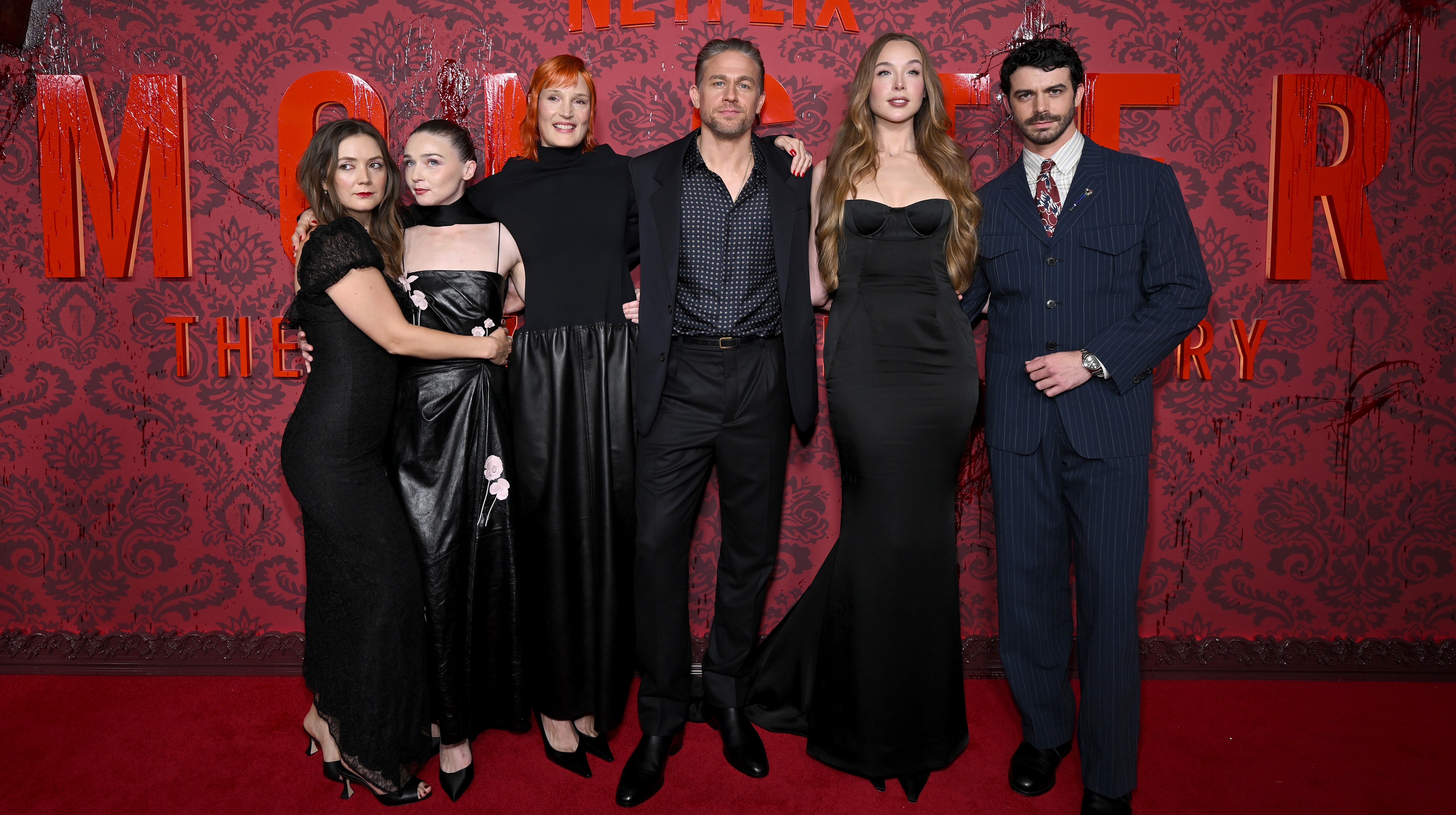
Ryan Murphy's ‘Monster: The Lizzie Borden Story’ Centers Female Rage
Ryan Murphy's latest anthology installment, featuring Lizzie Borden, delves into female rage and sexuality.
Amid significant budget cuts, Jimmy Kimmel's show faces an uncertain future as late-night television grapples with major changes.
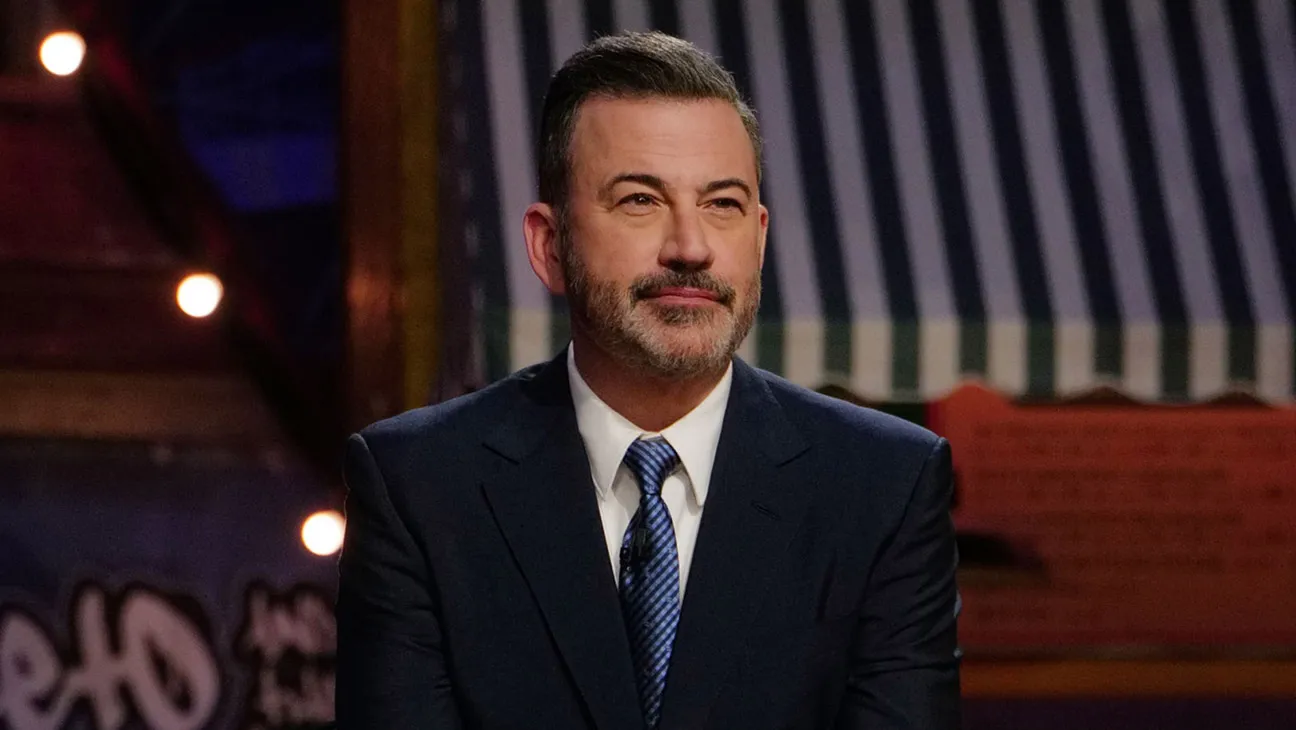
The landscape of late-night television is entering a challenging phase, particularly for Jimmy Kimmel's show on ABC. As of September 17, 2026, The Hollywood Reporter disclosed that while discussions are underway for Kimmel to continue for another season, ABC is insisting on a budget cut of approximately 20 percent. This situation reflects a broader trend affecting late-night programs, where many shows, including those from CBS and NBC, have either been canceled or experienced considerable budget slashes.
The adverse effects of reduced advertising revenue—down 50 percent since 2018—are stark. Late-night television, a format that was once a powerhouse of viewership and cultural relevance, is struggling to maintain its footing. Notably, Kimmel's viewership averaged over 2.7 million in Q2, benefiting from the recent cancellation of competing shows, but these numbers are still a fraction of historical highs when Jay Leno and David Letterman dominated the ratings with millions more.
ABC's negotiations with Kimmel come on the heels of similar actions by other networks. Both NBC's The Tonight Show and Late Night have initiated cuts, impacting aspects of their production, such as the airing frequency and live band performance. With Kimmel's contract up for extension, ABC seems to be leveraging this moment to impose cuts—indicative of the industry's shifting financial priorities.
Amid rising pressures, conversations surrounding Kimmel’s future signal a pivotal moment for the genre. While the former dominance of late-night shows on television appears challenged, their brands and legacies might survive through digital platforms where newer audiences are increasingly tuning in.
As industry veterans like Lorne Michaels of Saturday Night Live hint at potential retirements and withdrawals, the landscape is ripe for transformation. Michaels remains at the forefront, holding sway over multiple shows and serving as a guardian of the genre. If Michaels steps back, there will inevitably be significant shifts across NBC's late-night offerings.
Former hosts, including Conan O’Brien, have already recognized the impending decline of traditional late-night formats. O’Brien's pivot toward digital platforms underscores a growing realization among talent that the future of late-night entertainment is gravitating towards more flexible, accessible formats, such as YouTube and social media.
Kimmel’s situation may provide temporary reprieve through a one-year contract extension, but the underlying issues plaguing late-night television remain. As both creators and networks adapt to changing viewer preferences, the industry is poised for evolution. The rise of online platforms may offer a lifeline for long-established brands while signaling the impending twilight of the traditional late-night format.
Given this context, audiences are left pondering: what will late-night TV look like in a few years, and can shows like Kimmel's adapt to these new realities? What this means is that bold developments may lie ahead for both entertainers and their audiences.
Entertainment news
EpisodeBreakdown may use automated tools to assist research, drafting, and formatting. Published pages are governed by our editorial and corrections policies, and source links are shown when they are available in the article record.
Discovery source: The Hollywood Reporter. The source identifies where the topic was discovered; EpisodeBreakdown is responsible for the commentary published on this page.
Reader response
Reactions and poll results are based on real reader responses. No account is required.