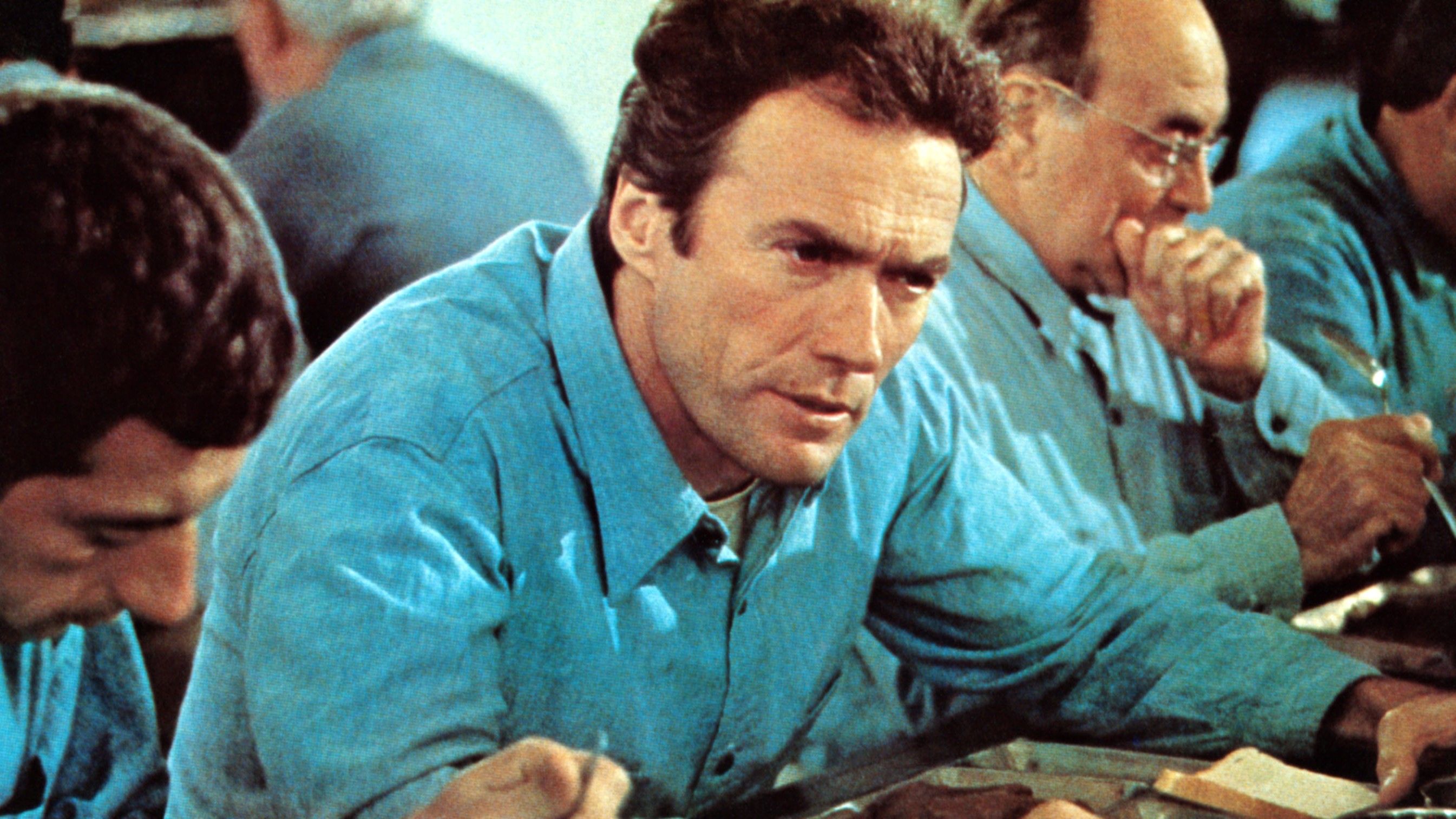
Clint Eastwood's Masterful 'Escape from Alcatraz': An In-Depth Analysis
Delve into the themes, characters, and storytelling of Clint Eastwood's 'Escape from Alcatraz', now available on Paramount+. Unpack its significance.
John Cena shares intriguing insights into car myths while discussing his upcoming film, 'Matchbox the Movie,' exploring humor and reality behind action scenes.

In simple terms, the central question surrounding John Cena's upcoming film, Matchbox the Movie, focuses on how filmmakers navigate the reality of car action sequences while crafting engaging and entertaining narratives. What we learn is that the realities of filming with cars can often contradict popular myths about their endurance in high-action scenarios. Cena's candid remarks showcase a blend of humor and sincerity in addressing these car myths, particularly about their mechanical nature and reliability.
Confirmed by Cena during discussions at San Diego Comic-Con, one key takeaway from working on Matchbox the Movie involves the misconception that cars are simply invincible tools for filmmakers. Cena stated, “You’ve got to have 20 of them, like minimum, because they don’t run.” This insight reveals the truth behind the flashy car stunts often seen in Hollywood films, where multiple vehicles are required due to mechanical failures when cars are pushed beyond their limits.
The production relied on several Mustangs and Land Rovers, emphasizing the impractical nature of filming extensive action sequences with a single vehicle. It highlights how filmmakers create the illusion of limitless car action, often necessitating many backups that quickly become essential on set. Cena’s narrative touches on a deeper theme: the contrast between the on-screen depiction of cars and their actual performance, reinforcing the film's self-aware tone.
The humorous observations made by Cena regarding the car myths extend beyond mere technical challenges. His co-star, Arturo Castro, also interjected about the need for cars to refuel, something rarely shown in cinematic portrayals. “Cars need gas, apparently,” he noted, which underscores another aspect of realism filmmakers often overlook for the sake of pacing. This blend of humor with genuine reflections captures the film's essence, suggesting it will engage viewers on multiple levels—combining action with comedic elements that poke fun at genre conventions.
In light of evidential practicality, the film is framed as a comedy with explosively entertaining aspects. The choice to embrace the absurdity of needing multiple vehicles and incorporating humor around realistic scenarios sets Matchbox the Movie apart from straightforward action films. This self-aware approach potentially resonates with audiences accustomed to the typical non-stop adrenaline rush of car-centric narratives.
Directed by Sam Hargrave, known for prioritizing in-camera stunts and authentic action, Matchbox the Movie appears to promise a refreshing take in the realm of action-comedies. Hargrave’s experience as a stunt coordinator grants him a unique perspective on crafting exhilarating scenes without shunning realism altogether. His previous work in films like Extraction showcases a dedication to physical filmmaking techniques, a value likely infused into Matchbox.
The choice to lean on practical effects rather than relying solely on visual effects (VFX) not only reinforces the film’s authenticity but also aligns it with modern audience expectations for tangible, adrenaline-inducing action. This direction may also set a new standard for how action-comedy films can entertain while still being grounded in reality.
While focusing heavily on action and humor, Matchbox the Movie is also thoughtfully self-reflective. The central themes revolve around the mythos of action films themselves; they expose how car culture is portrayed in both comedic and thrilling lights. By dismantling these preconceived notions, the film allows audiences to delve deeper into the mechanics operating behind the scenes, literally and metaphorically.
The interplay of character-driven humor, technical insights, and action-packed sequences results in a multifaceted narrative approach. This provides a genuine commentary on the car-centric genre while also engaging viewers through its comedic lens. The balance achieved hints at a more cohesive understanding of the filmmaker's intentions and relationships to their medium.
Understanding the ending of Matchbox the Movie requires considering the groundwork laid by earlier scenes. While we don’t have confirmed details about the conclusion itself, it is reasonable to speculate that the resolution will intertwine the comedic and action-packed elements that drive the narrative. Given Cena's and Castro’s humorous undertones about vehicle reliability, one could predict the ending might capture a moment of revelation or self-reflection regarding their car-centric exploits, allowing for a poignant yet amusing conclusion that ties together the film's core themes.
As the characters navigate various challenges—born from the very contradictions they exposed throughout the film—viewers may find satisfaction in a narrative that embraces its whimsical exploration of car myths while rewarding those who appreciate the intricacies of filmmaking.
What ultimately emerges from Matchbox the Movie may be a strong affirmation that the journey is just as entertaining as the destination, a theme echoing throughout not only the narrative but the realities of filmmaking as well.
As Matchbox the Movie prepares for its fall release, audiences can anticipate a blend of action, humor, and insightful commentary about the film industry’s portrayal of cars. The film's engaging tone, underscored by John Cena's reflections on the realities of car action, promises to offer viewers not just entertainment but a thoughtful look at the myths that permeate action cinema.
With Sam Hargrave at the helm, viewers can expect authentic stunts and a story that pushes against the boundaries of conventional film logic, presenting a unique entry in the genre that balances comedy with the thrills of high-octane action.
For further insights, you can check out more detailed movie analyses and genre breakdowns related to action comedies, like The Caged: A Witchcraft Horror Movie Analysis or the relationship between cinematic conventions and narratives in films like Spider-Man: No Way Home Mary Egida Rivera: Celebrating Her Role as Ned’s Lola.
Movie explanation
EpisodeBreakdown may use automated tools to assist research, drafting, and formatting. Published pages are governed by our editorial and corrections policies, and source links are shown when they are available in the article record.
Discovery source: ComicBook.com. The source identifies where the topic was discovered; EpisodeBreakdown is responsible for the commentary published on this page.
Reader response
Reactions and poll results are based on real reader responses. No account is required.