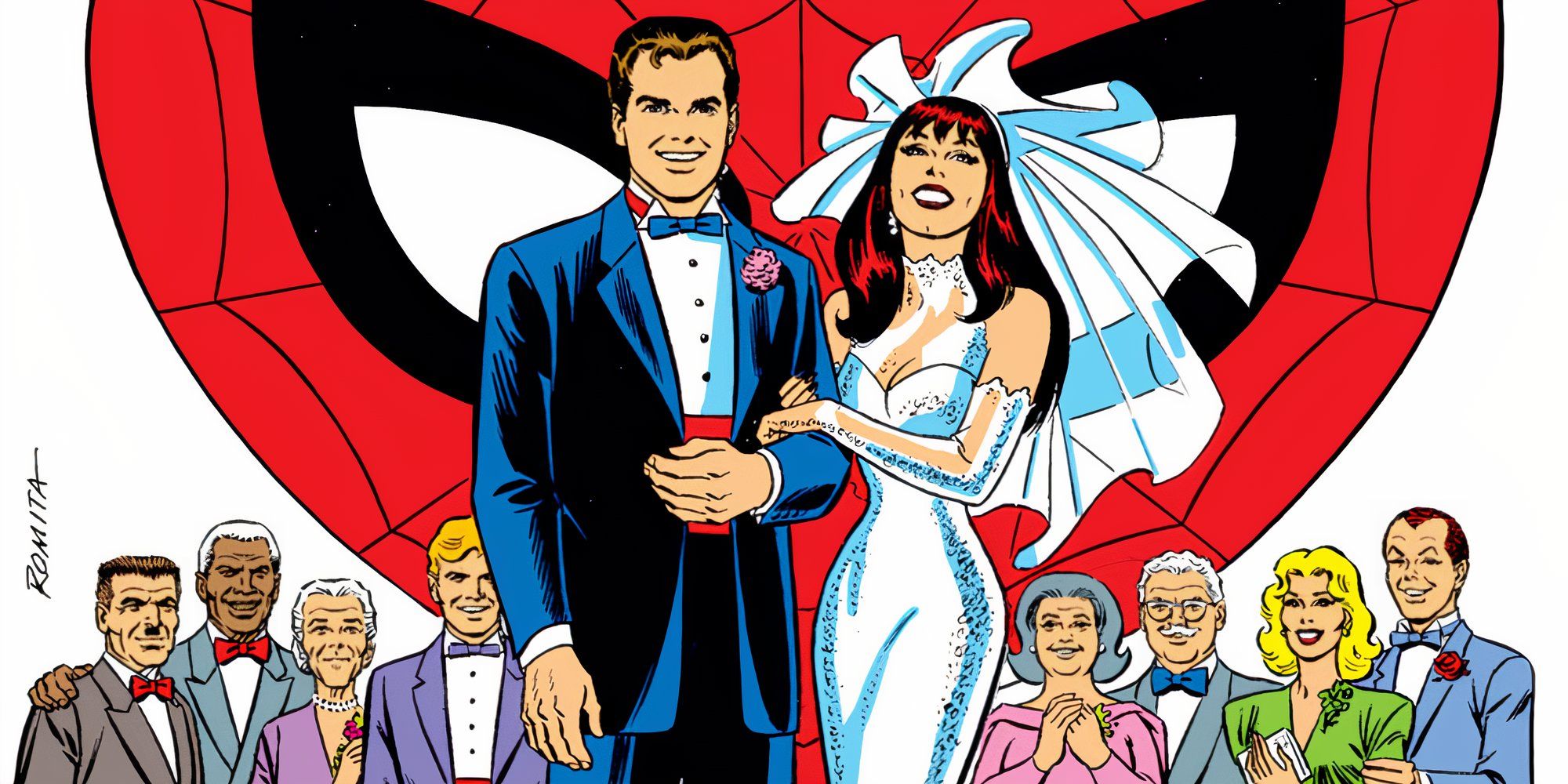
Mary Jane Watson Celebrates 60 Years in Landmark Comic Release
Marvel Comics honors Mary Jane Watson's legacy with a new comic anthology marking 60 years since her debut.
Examining John Oliver's latest HBO contract and its deeper implications.
In simple terms, John Oliver has renewed his contract with HBO to continue hosting Last Week Tonight through 2027, albeit with a significant twist. Instead of the usual three-year commitment, his new deal lasts only one year. This shift raises questions about the future of both Oliver's show and HBO amidst the broader uncertainty surrounding its parent company, Warner Bros. Discovery.
What happened is that Oliver’s shorter renewal comes at a time when Warner Bros. Discovery’s potential acquisition by Paramount is still facing legal challenges. The connection between these corporate dynamics and Oliver's decision, however, remains speculative. Regardless, his commitment to remain with HBO underscores his ongoing relevance in late-night television, where he has carved a niche through incisive commentary and humor.
John Oliver re-signed with HBO, ensuring his presence on Last Week Tonight until 2027. This is a crucial moment in late-night television, particularly as it contrasts with the fates of other hosts, notably Stephen Colbert. Colbert’s position has become less secure, a situation that Oliver has seemingly avoided with his latest deal.
The decision to minimize the length of the contract could suggest strategies to adapt to changes in the media landscape. With HBO executives keen on retaining Oliver, as indicated by comments from HBO chairman Casey Bloys, the dynamic reflects a deeper ongoing relationship, characterized by both parties' awareness of fluctuating external conditions.
A notable theme in Oliver’s renewed contract is uncertainty. The entertainment industry is currently embroiled in complications stemming from corporate mergers and acquisitions, which may directly influence decisions by prominent figures like Oliver. His previous long-term renewals signified stability in an unpredictable landscape, but the shift to a one-year term spotlights a pivot towards agility and responsiveness.
The speculation surrounding corporate instability mirrors Oliver's own comedic approach. Throughout his career, he has frequently lampooned corporate giants and their decisions. During a recent episode, he jokingly challenged the idea of a new corporate overlord should the acquisition occur — a moment that cleverly intertwines his professional insights with the realities of the industry.
The typical pattern for Oliver extended multiple years at a time, establishing a sense of continuity both for him and his audience. By breaking this cycle, Oliver indicates a shift towards a more transient phase in his career, reflecting wider trends in the television landscape where hosts must remain flexible and reactive.
Additionally, this shorter commitment allows both Oliver and HBO to reassess their relationship periodically, adjusting to audience reactions and industry changes. In this way, Oliver’s new contract serves as both a safeguard for his role and an acknowledgment of the fast-evolving media environment.
HBO’s decision to retain Oliver amid various uncertainties showcases their commitment to high-quality programming that resonates with viewers. As Last Week Tonight continues to blend humor with serious investigative journalism, it has become a central part of HBO's identity. The potential for changes at the corporate level raises important questions about the direction of programming and content strategy.
If other late-night personalities, like Stephen Colbert, find their positions precarious, Oliver's stability might prove a significant draw for viewers seeking trusted commentary. Oliver's ability to address contemporary issues, paired with his reluctance to shy away from the realities of the media landscape, positions him as a relevant voice in this shifting tide.
The conclusion of Oliver’s contract, while seemingly straightforward, reveals layers of meaning embedded within decision-making processes concerning television hosts. As the show continues to air through 2027, where it will likely tackle pivotal themes — particularly concerning the uncertainties surrounding corporate mergers — it emphasizes the crucial bond between the show's reflections and real-world impacts.
Oliver's humor often dances on the edge of the prevailing crises, contributing to a narrative of resilience and willingness to adapt. The ending signals an ongoing journey with potential turns as the media environment evolves, highlighting the need for both hosts and networks to remain dynamic.
The news of John Oliver's one-year contract highlights not only his solidified place within HBO but also reflects broader uncertainties within the entertainment industry. As Oliver continues to navigate these waters, audiences can expect incisive commentary that will resonate with current socio-political climates. Such irregularities in contract patterns could lead to similar decisions by other late-night hosts in the future, potentially reshaping the landscape of late-night television entirely. Whether this shift brings about a renaissance or transformation within the genre remains to be seen, but Oliver's strategic positioning undoubtedly prepares him for whatever may come next.
To explore related topics, consider reading Jimmy Kimmel's FCC Fight: The Future of Late-Night TV or check out John Oliver Critiques CDC's Lettuce Detective Advice Amid Cyclospora Outbreak.
Entertainment news
EpisodeBreakdown may use automated tools to assist research, drafting, and formatting. Published pages are governed by our editorial and corrections policies, and source links are shown when they are available in the article record.
Discovery source: ComingSoon. The source identifies where the topic was discovered; EpisodeBreakdown is responsible for the commentary published on this page.
Reader response
Reactions and poll results are based on real reader responses. No account is required.