Bill Bellamy to Receive Icon Award at Whats Funny Comedy Festival
Bill Bellamy will be honored with the Icon Award at the 2026 Whats Funny Comedy Festival, recognizing his significant contributions to comedy.
Exploring why Keanu Reeves' lesser-known adaptation of Philip K. Dick's work stands out amidst his iconic role in The Matrix.
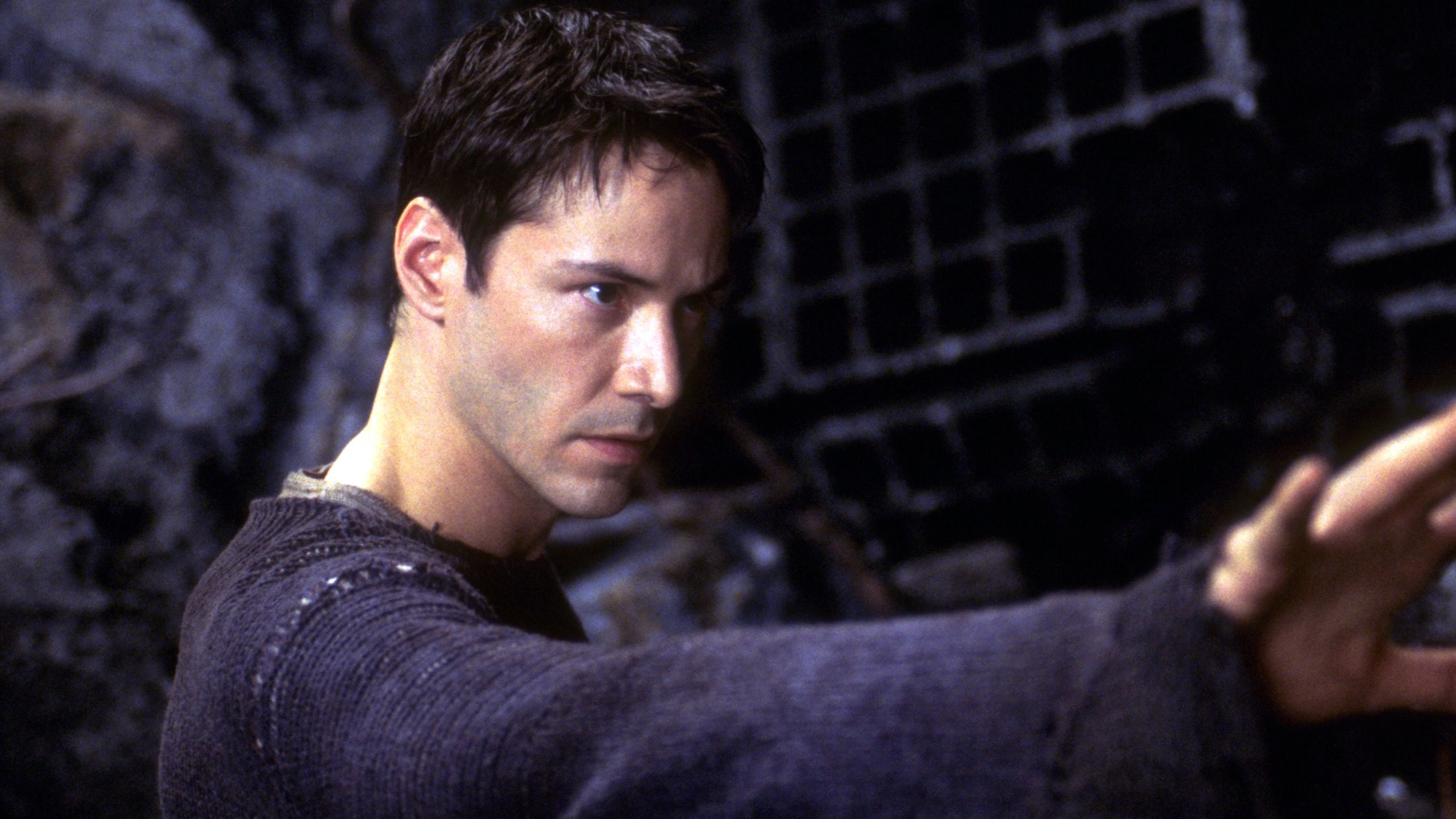
In the realm of science fiction cinema, Keanu Reeves is undoubtedly recognized for his pivotal role in The Matrix, a film series that has garnered a colossal following. However, a lesser-known adaptation featuring Reeves—based on the thought-provoking works of Philip K. Dick—has started to carve its own niche. While The Matrix may have dominated the box office and pop culture, this adaptation is slowly being acknowledged as a superior piece of art, offering depth and nuance that resonates profoundly with audiences. This article delves into the reasons behind this perception and what makes Reeves' adaptation stand out.
Keanu Reeves starred in an adaptation of Philip K. Dick's novel A Scanner Darkly. This film, noted for its unique animation style and intricate narrative, has recently been reevaluated against his Matrix sequels. The analysis suggests that Reeves' engagement with Dick's provocative themes presents a richer exploration of identity and reality than what was found in the later entries of The Matrix franchise.
Based on A Scanner Darkly, the film showcases a dystopian future where the government has lost control over the populace due to a rampant drug epidemic. This narrative intricately explores themes like surveillance, identity fragmentation, and the impact of substance abuse, which mirror real-world concerns. At the heart of the story is Bob Arctor (played by Reeves), an undercover agent struggling to maintain his sense of self while infiltrating a group of drug users. As the story unfolds, Arctor's realities begin to blur, leading to an unsettling confrontation with his own identity.
This exploration is particularly poignant in contrast to the straightforward battle against a dystopian system presented in The Matrix sequels. While both franchises engage with themes of alternate realities, A Scanner Darkly provides a layer of psychological introspection that many argue is missing in The Matrix sequels.
Apart from Reeves’ compelling performance as Bob Arctor, A Scanner Darkly features a dynamic cast that enhances the narrative:
Donna Hawthorne (played by Winona Ryder): Serving as a love interest and a fellow user, Donna represents the personal struggles faced by those caught in addiction. Her character adds a layer of emotional depth to Arctor's quest for clarity.
**Charles Freck (played by Rory Cochrane): A fellow drug user who epitomizes the consequences of the drug epidemic, Freck's tragic storyline highlights the brutal realities of addiction.
Agent Fred (played by Robert Downey Jr.): Adding a comedic, yet infinitely complex, perspective to the storyline, Agent Fred’s antics provide relief while emphasizing the film's darker themes.
The interactions between these characters deepen the exploration of identity and reality, creating a multifaceted experience that resonates beyond initial viewing.
While specific details about the ending might be challenging to summarize due to the nuances in the storytelling, A Scanner Darkly culminates in an unexpected twist that leaves audiences reflecting on the fragility of identity and the pervasive power of addiction. Bob Arctor, grappling with the effects of a substance that causes a split in his personality, ultimately reveals a tragic end, reinforcing the film’s grim and thought-provoking commentary. This is juxtaposed against the often action-driven resolutions in The Matrix sequels, which while visually striking, tend to lack the emotional weight presented in Dick’s adapted masterpiece.
Should A Scanner Darkly receive renewed interest, potential avenues for expansion exist in terms of both sequels and spin-offs. With ongoing societal issues revolving around addiction and identity, a revisited adaptation could spark necessary conversations and offer fresh perspectives. Furthermore, deeper dives into character backstories or exploring the broader universe of Philip K. Dick’s works could create engaging content that captivates both old fans and new audiences alike.
The current resurgence in conversations surrounding Keanu Reeves’ Philip K. Dick adaptation can be attributed to several factors:
Cultural Relevance: As society grapples with issues surrounding surveillance and addiction, the themes in A Scanner Darkly feel eerily prescient. This relevance has prompted audiences to revisit and reassess the film in light of contemporary issues.
Fan Observations: Long-time fans of both The Matrix and Dick’s work have gradually begun to align on social media platforms, emphasizing the artistic choices that elevate A Scanner Darkly above many sequels, including those of The Matrix. Discussions highlight a yearning for deeper narratives in a genre often dominated by action.
Keanu Reeves’ Resurgence: With Keanu Reeves experiencing a renaissance in his career due to recent successes in films like John Wick, a newfound appreciation for his earlier works has emerged. This renewed interest is prompting fans to revisit not only his iconic roles but also his more underrated performances.
In an era swamped with reboots, sequels, and interconnected cinematic universes, Keanu Reeves' adaptation of A Scanner Darkly stands as a testament to the power of storytelling. Unlike the additional Matrix sequels that focused on action and visual spectacle, this film presents a profound reflection on identity and consciousness that is all too relevant today. Reeves truly brings the essence of Philip K. Dick's intricate narrative to life, creating a film that warrants its growing recognition as a standout in his illustrious career. As audiences continue to grapple with these themes, A Scanner Darkly serves not only as a reminder of the importance of individuality but also as a critical lens through which we can examine the world around us.
Whether you're a long-time fan or a newcomer, revisiting this complex narrative may open the door to meaningful discussions about reality, identity, and the human condition—elements that resonate far beyond the confines of genre.
Entertainment news
EpisodeBreakdown may use automated tools to assist research, drafting, and formatting. Published pages are governed by our editorial and corrections policies, and source links are shown when they are available in the article record.
Discovery source: ScreenRant. The source identifies where the topic was discovered; EpisodeBreakdown is responsible for the commentary published on this page.
Reader response
Reactions and poll results are based on real reader responses. No account is required.