test
asdasd
Explore ten long-running anime series that have maintained exceptional quality without succumbing to 'bad seasons.'
In simple terms, a select group of long anime series has impressively sustained high quality throughout their entire runs, avoiding the dreaded 'bad season' trap. These series leverage unique storytelling techniques, developed characters, and careful pacing that keep viewers engaged from start to finish. This article will break down what aspects contribute to such consistency across these lengthy narratives.
One crucial element that helps certain anime avoid bad seasons is a solid original premise. For example, Monogatari, with its focus on dialogue, transforms simple conversations into meaningful exchanges filled with subtext. This emphasis on character interaction allows the series to maintain momentum and provide engaging content, as opposed to relying on action-driven plots that can become repetitive after multiple seasons.
Studio wise choices also bolster quality. As highlighted, Monogatari employs a consistent visual style while diving deep into character-driven arcs. This discipline in format prevents the series from falling into mundane storytelling pitfalls typical of long-running shows.
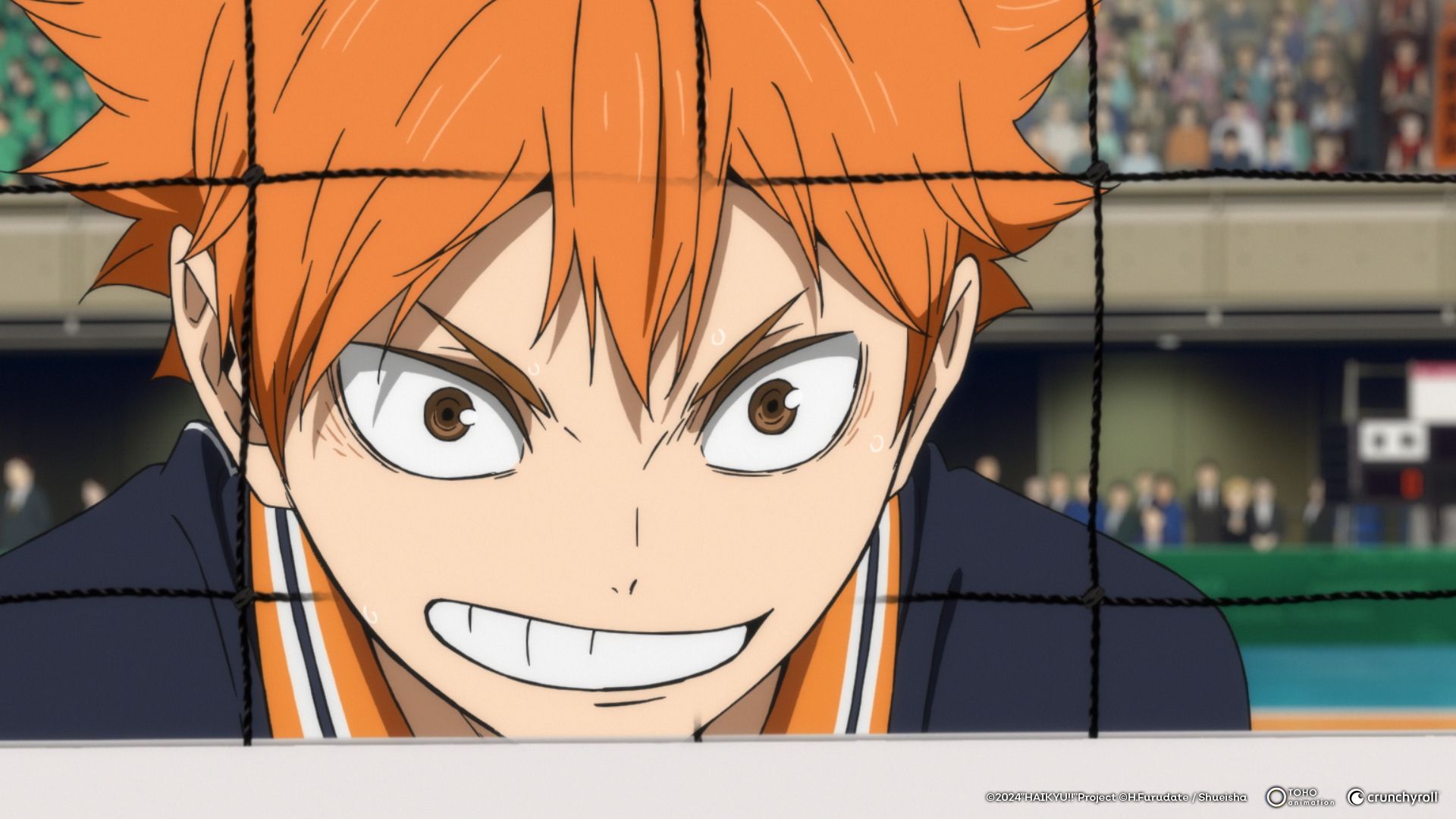
Another factor in avoiding bad seasons is continually evolving narrative frameworks within long-running series. Haikyu!! showcases the dynamic nature of sports anime by constantly introducing new challenges in volleyball matches. Instead of recycling the same game dynamics, it effectively interweaves character development with gameplay strategies, ensuring each episode feels fresh and engaging.
Author Haruichi Furudate’s understanding of volleyball as a tactical game rather than mere competition helps maintain excitement across dozens of episodes, avoiding monotony.
The ability to swap protagonists and adjust the art direction keeps JoJo's Bizarre Adventure energetic and innovative. Each part of the series introduces new characters and conflicts while maintaining a sense of familiarity. For instance, each protagonist has unique motivations and stakes, offering fresh perspectives on familiar themes. This approach prevents fatigue and stagnation, ensuring that every arc presents something new without losing touch with the series' roots.
This ability to reinvent is a crucial strategy for many long anime, like Attack on Titan, which shifts into complex moral dilemmas as it explores character evolution, particularly Eren Yeager's transformation. The careful craftsmanship behind season transitions allows for exceptionally high stakes to be woven throughout every installment.
This consistent quality can also be attributed to the emotional depth present in series like Fruits Basket and Gintama. In Fruits Basket, the 2019 reboot ensures that character arcs progress naturally, allowing audiences to witness the long, often painful journey of self-discovery and healing. The meticulous pacing allows for genuine emotional stakes to emerge, differentiating it from many other adaptations that rush key developments.
Conversely, Gintama masterfully balances humor with serious themes, using comedic elements to heighten the impact of dramatic moments. This tonal versatility enables the series to sustain viewer engagement over the long haul, as it fluctuates seamlessly between laughter and tears.
Series like Mushishi, with its episodic structure, also demonstrate how a different narrative design can avoid bad seasons. Each episode delves into folklore, allowing the story to explore unique themes without being confined to a linear plot. The distinct interactions with different mushi creates variety, keeping the storytelling fresh and intriguing while adhering to core principles of the narrative.
Similarly, Bungo Stray Dogs skillfully deepens character relationships over its five seasons, particularly exploring the emotional stakes between characters like Dazai and Chuuya. The unfolding of their relationship retains viewer interest while avoiding the cliché traps of repetitive storytelling.
The anime landscape is populated with series that, despite their length, have managed to avoid mishaps commonly associated with extended storytelling. By focusing on strong foundations, emotional depth, and innovative narrative structures, these select shows maintain a consistently high standard. This level of engagement renders them as essential viewing for anime enthusiasts looking for enriching experiences.
While we can confirm these themes and techniques are prevalent across the highlighted series, it’s essential to note that viewer reception can vary. Factors like personal preferences and genre biases might influence individual opinions, contributing to an ongoing debate about what constitutes a 'bad season.'
For further exploration of diverse anime offerings, check out our guide on Exploring Five Long-Running Anime Worth Watching. Discover more with our rankings for the 5 Greatest Fantasy Anime Series of the 2020s, Ranked or revisit nostalgic tales with 7 Forgotten 2000s Anime Series That Have Aged Like Milk.
Story breakdown
EpisodeBreakdown may use automated tools to assist research, drafting, and formatting. Published pages are governed by our editorial and corrections policies, and source links are shown when they are available in the article record.
Discovery source: CBR Anime. The source identifies where the topic was discovered; EpisodeBreakdown is responsible for the commentary published on this page.
Reader response
Reactions and poll results are based on real reader responses. No account is required.