Ridley Scott's 'The Dog Stars' Set to Release This Month
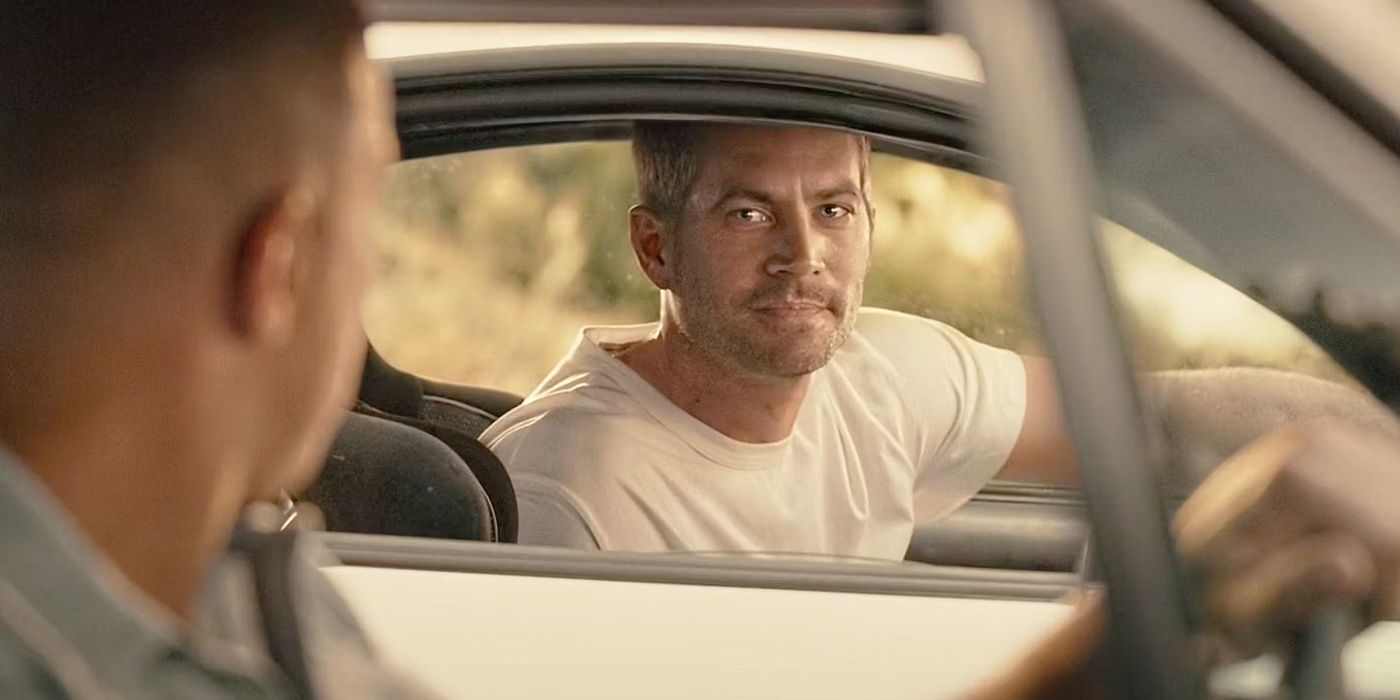
Ridley Scott's long-anticipated post-apocalyptic thriller, 'The Dog Stars,' finally arrives this month after a decade in the making.
Exploring the depth and nuances of 'The Lost City of Z,' featuring Tom Holland and Robert Pattinson, highlighting its themes and overlooked brilliance.
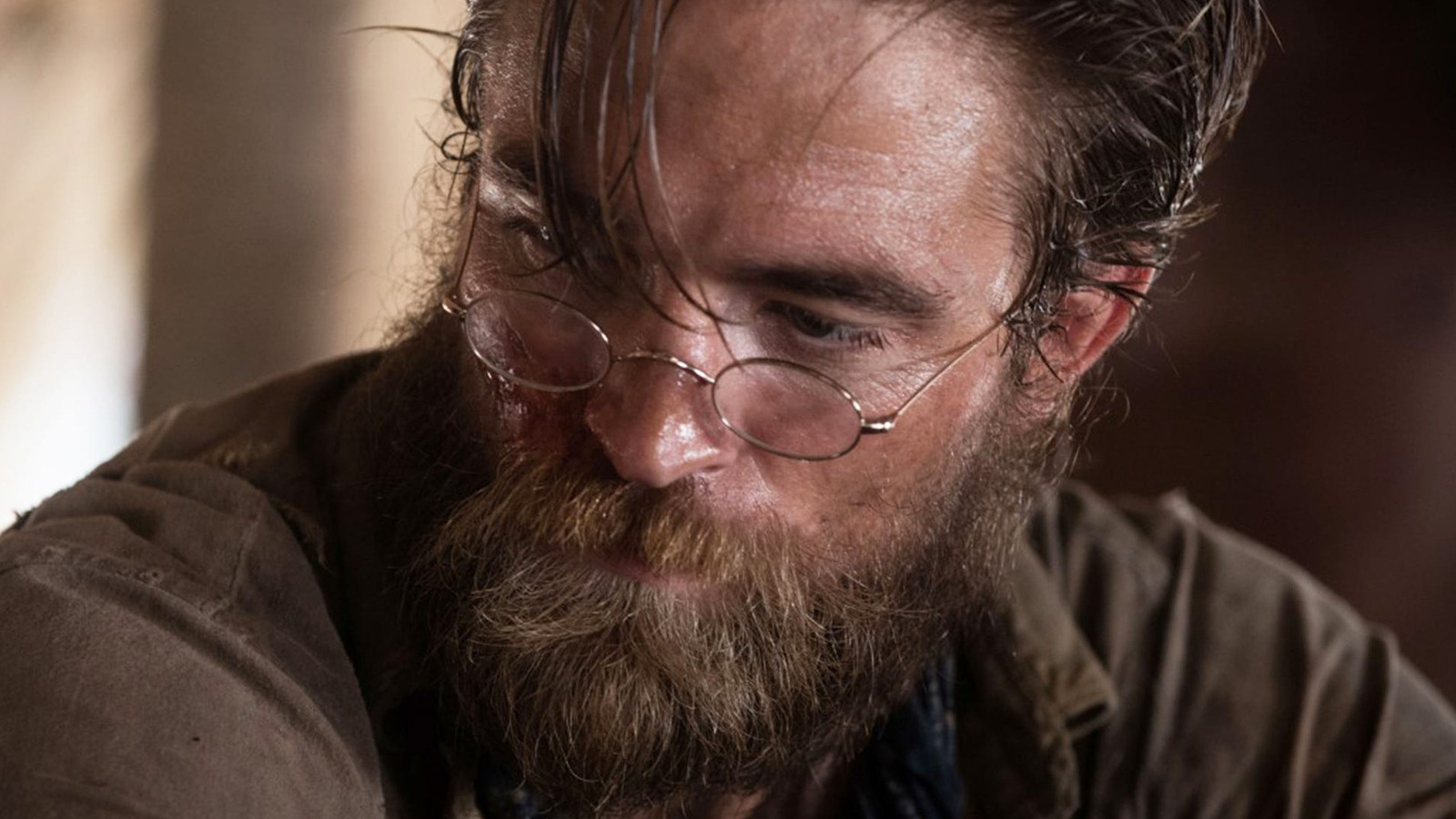
In simple terms, The Lost City of Z serves as a profound exploration of obsession, ambition, and the search for identity against the backdrop of an unforgiving jungle. Directed by James Gray, the film centers on Percy Fawcett, a real-life British explorer whose quest for a mythical city in the Amazon reveals not just the mysteries of a lost civilization but also the complexities of his personal journey. Specifically, it presents the question: What drives a man to pursue the unattainable?
The film opens with Fawcett in the early 1900s, under pressure to restore his family’s tarnished legacy. He embarks on a mapping expedition to delineate the border between Bolivia and Brazil, but what begins as a quest for social redemption transforms into an obsession with finding "El Dorado." This shift marks the film's turning point, where the advance into the jungle symbolizes deep inner exploration. The act of charting unknown territories mirrors Fawcett’s desire to establish his identity and significance beyond societal constraints.
A primary theme of The Lost City of Z is the tension between civilization and the wild, accentuated by Fawcett's encounters in the jungle. The lush visuals, captured by cinematographer Darius Khondji, create a vivid contrast: the manicured order of British society versus the chaotic beauty of the Amazon. Fawcett’s journey reflects a wider philosophical inquiry about what constitutes civilization. Are the dangers of the jungle more perilous than the constraints and hypocrisies of his own society? This question resonates deeply as the film unfolds.
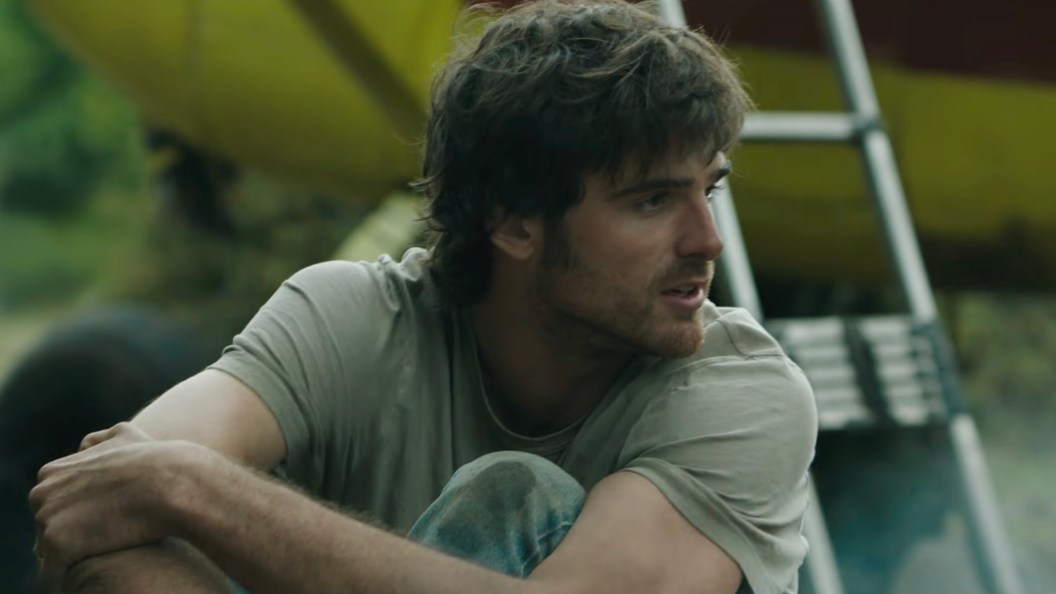
Moreover, the narrative hints at the dangers of obsession. As Fawcett becomes increasingly fixated on his quest, his relationships with his wife and son begin to deteriorate. His ambition drives a wedge between them, illustrating the cost of pursuing one’s ambitions at the expense of familial ties. This is especially poignant in the second half, where we see Tom Holland take on the role of Fawcett's son, Jack. In a parallel to Odysseus's son Telemachus in The Odyssey, Jack yearns for a relationship with his father that remains elusive due to Percy’s relentless pursuits.
Percy Fawcett, portrayed by Charlie Hunnam, brings an intricate characterization to life. He is neither wholly heroic nor entirely flawed, embodying shades of both light and darkness. Fawcett’s character development is marked by moments of hubris, leading him closer to his obsession while also navigating his internal doubts and fears. A significant turning point occurs when he resolves to return to the jungle, fully aware of the risks that lie ahead. This decision reinforces the film's exploration of the human condition—our capacity for madness in the pursuit of knowledge and self-discovery.
Robert Pattinson’s portrayal of Henry Costin further complements this exploration, representing the eccentricity often involved in the pursuit of the unknown. His character, though secondary to Fawcett’s journey, serves as a reflection of the dangers and allure of exploration. Costin’s unconventionality and willingness to delve into moral ambiguity are critical to understanding the film's critique of colonialism and the exploitation of indigenous lands, reminding viewers of the consequences that accompany such quests.
Visually, The Lost City of Z offers a breathtaking depiction of the jungle, effectively immersing the audience in its lush, vibrant landscapes. The cinematography showcases the environment not only as a setting but also as a living entity that interacts with the characters. This artistic choice elevates the narrative, creating a palpable sense of stakes as Fawcett's journey unfolds amid nature's unpredictability.
Beyond the visuals, the film's pacing is deliberate, inviting viewers to engage deeply with its themes rather than simply absorbing plot points. This has contributed to its initial reception as a box office flop. In contrast to other high-octane adventure films, Gray's work demands patience and contemplation, an investment that rewards viewers with rich thematic exploration.
The film culminates in a hauntingly ambiguous ending, mirroring Fawcett's own fate. As he embarks on one final expedition with Jack, their disappearance marks the culmination of their relentless pursuit. The unresolved nature of their fate leaves the audience pondering the cost of ambition and the futility of seeking answers in an uncontrollable world. This ending resonates with the themes established throughout the film, highlighting the thin line between discovery and destruction.
Despite its underwhelming box office performance, The Lost City of Z deserves recognition for its thoughtful narrative, stunning visuals, and the depth it offers to its characters. Tom Holland and Robert Pattinson shine in their supporting roles, hinting at the immense talents they later fully realized in projects like The Odyssey. The film serves not only as an adventure story but also as an introspective work that challenges viewers to consider the implications of their desires and ambitions. To fully appreciate the talents of these rising stars, one should revisit this often-overlooked film, available for streaming.
The legacy of The Lost City of Z lies in its exploration of the human condition, raising crucial questions about identity, ambition, and obsession. As audiences continue to engage with Holland and Pattinson’s more recent projects, revisiting this film provides a valuable opportunity to understand their evolution as artists. It serves as a reminder that sometimes, the less commercially successful works can yield profound insights and outstanding performances, making them worthy of renewed recognition.
Movie explanation
EpisodeBreakdown may use automated tools to assist research, drafting, and formatting. Published pages are governed by our editorial and corrections policies, and source links are shown when they are available in the article record.
Discovery source: Slashfilm. The source identifies where the topic was discovered; EpisodeBreakdown is responsible for the commentary published on this page.
Reader response
Reactions and poll results are based on real reader responses. No account is required.