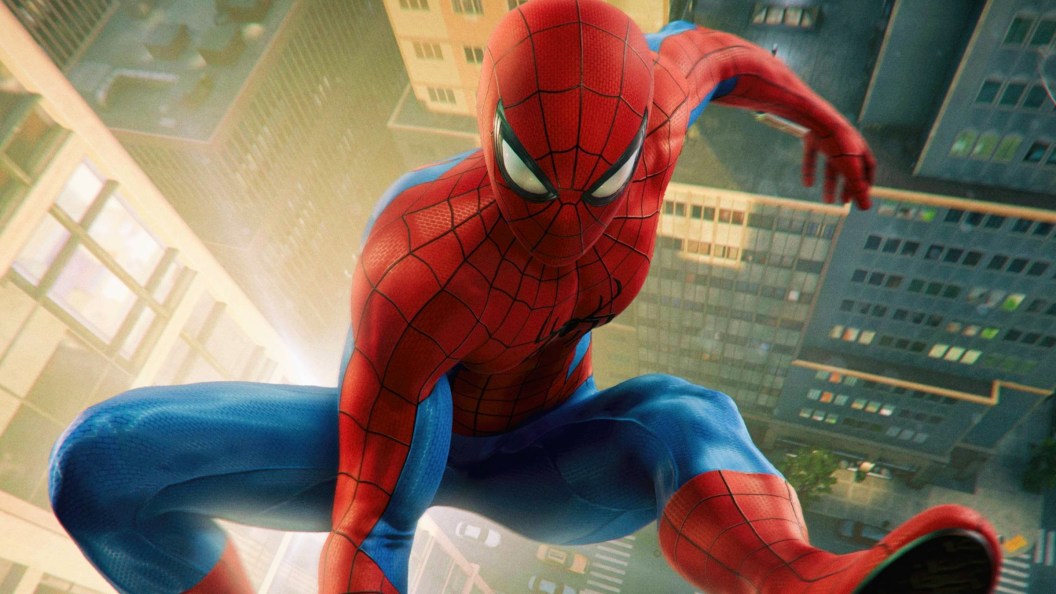
Tom Holland's Symbiote Suit Rumored for Upcoming MCU Films
Tom Holland's Spider-Man may soon don the iconic black symbiote suit in the MCU, as confirmed by industry insider Alex Perez.
Analyzing the journey of Tom Cruise's 'Legend' from flop to cult classic.
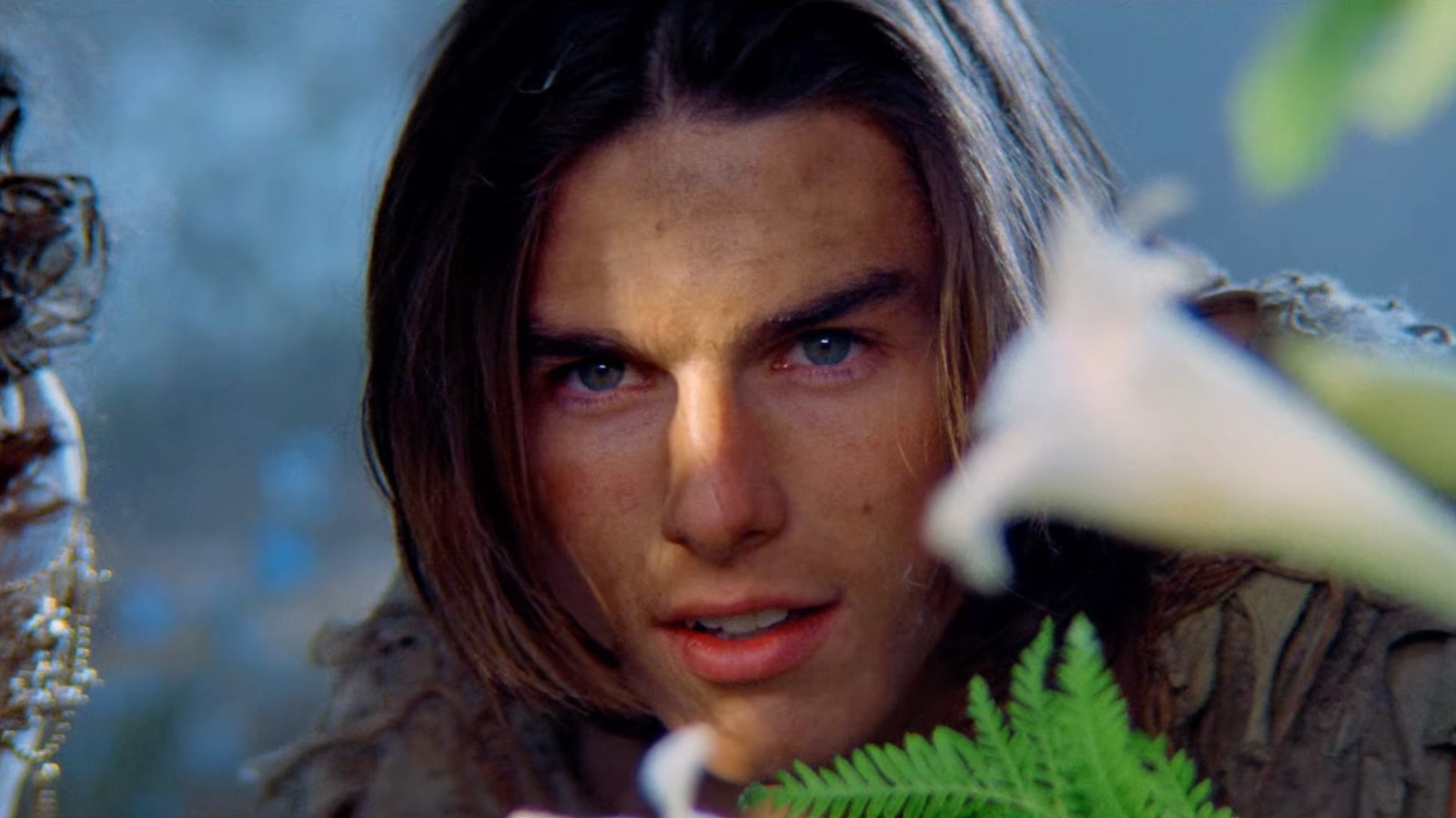
In simple terms, the central question surrounding Ridley Scott's 1985 fantasy epic Legend asks why a film featuring Tom Cruise, a venerated director, and an intriguing premise failed at the box office but later garnered a cult following. What happened is a combination of ambitious creative vision and considerable production challenges, as well as the changing cinematic landscape of the mid-1980s.
The Impact of Timing and Expectations
Upon its release, Legend was overshadowed by both critical reviews and audience expectations shaped by prior successes. Ridley Scott had previously directed iconic films like Alien and Blade Runner, and with a budding star in Tom Cruise, the combination appeared promising. At the same time, however, Scott was stepping into unfamiliar territory with Legend, which necessitated a profound exploration into fantasy—a genre he had not yet tackled.
Moreover, the film debuted just as Cruise was on the cusp of stardom, following roles in Taps and Risky Business. This intersection of Scott's established prowess and Cruise's rising fame created a narrative that suggested greatness. Yet, expectations were not met, and the film’s box office performance reflected this disappointment, earning a mere $23.5 million against a hefty $25 million budget, marking it as a commercial failure.
Production Challenges and Creative Constraints
The path to producing Legend was fraught with difficulties. Among these was a major setback in which the entire set burned down just ten days into filming. Ridley Scott’s resourcefulness allowed the production to recover swiftly, but such an event foreshadowed the evolving difficulties throughout the shoot. The script also underwent 15 drafts over four years before production began, highlighting Scott's struggle to settle on a cohesive narrative amid his grand artistic aspirations.
Adding another layer to the complexity, Tim Curry's transformation into the film's antagonist, Darkness, required an arduous makeup process, heavily impacting his performance and the overall production rhythm. These challenges culminated in an artistic inconsistency that contributed to Legend’s negative reception at the time.
A Shift in Audience Reception Over Time
Despite its initial box office struggles, Legend cultivated a renewed appreciation over the years, especially after the release of Scott’s longer director’s cut. Audiences began to reconnect with its stylish visuals and thematic depth, which center on the struggle between light and darkness, the purity symbolized by unicorns, and the battle for hope in a threatening world. The film began to resonate more meaningfully as it found a second life on home video and cable.
Tom Cruise's reflections on his role indicate that the experience, though frustrating, shaped his approach to future projects. Cruise famously stated he would never want to engage in a film with such unresolved artistic issues again, revealing a nuanced understanding of a filmmaker’s challenges and the importance of pre-production clarity.
Thematic Depth and Character Dynamics
At its heart, Legend deals with not just a battle against literal darkness but also metaphysical themes of love, sacrifice, and purity. Jack (Cruise) serves as a quintessential hero, yet his naïveté contrasts sharply against the malevolent intelligence of Darkness, portrayed powerfully by Curry. The relationship between Jack and Princess Lili (Mia Sara) is similarly layered; it captures the complexities of love intertwined with duty and destiny.
The duality of their characters reveals a broader commentary on the inherent challenges of youthful idealism versus the corrupting forces of evil. As darkness covers the land in searching for the last unicorn, it also illustrates the struggle humanity faces in safeguarding hope and innocence. This tension contributes to the film’s surreal and dreamlike atmosphere, evident in Scott's lush cinematography.
Final Interpretations of the Ending
The film's ending, which sees Jack triumph over Darkness to restore light to the world, ultimately conveys a message about hope and regeneration amidst despair. This resolution, combining tragic loss with rebirth, encapsulates the film's themes, shedding light on how love can endure even in the most chaotic circumstances. It symbolizes the necessity of courage to face personal darkness, which contrasts richly with the external battle against evil.
Though the film's journey was riddled with obstacles, it stands as a cult classic today—a testament to Ridley Scott's artistic vision and affirmation of Tom Cruise's talent.
Fans of Legend can find parallels with other works like The Princess Bride in its whimsy and tone, or explore deeper themes in films like The Wizard of Oz—each narrative layered with adventures derived from imposing darkness.
Ultimately, the evolution of Legend from a box office disappointment to a celebrated film invites an examination of how context, artistry, and audience perceptions intertwine in the complex tapestry of cinematic history.
The journey of Legend elucidates the unpredictable nature of film reception and the potential for reevaluation over time. This narrative underscores the importance of creative risks and the evolving nature of audience tastes. For both Scott and Cruise, Legend signifies not just a misstep, but a stepping stone that ultimately leads to their growth as filmmakers and actors, shaping their future successes in the industry.
Movie explanation
EpisodeBreakdown may use automated tools to assist research, drafting, and formatting. Published pages are governed by our editorial and corrections policies, and source links are shown when they are available in the article record.
Discovery source: Slashfilm. The source identifies where the topic was discovered; EpisodeBreakdown is responsible for the commentary published on this page.
Reader response
Reactions and poll results are based on real reader responses. No account is required.