Tom Holland's Symbiote Suit Rumored for Upcoming MCU Films
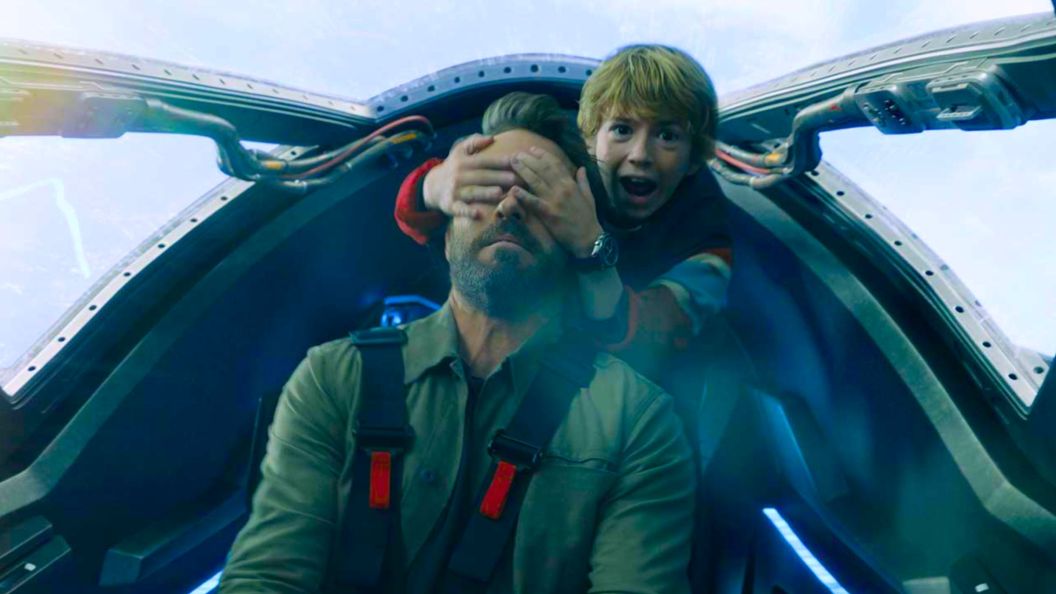
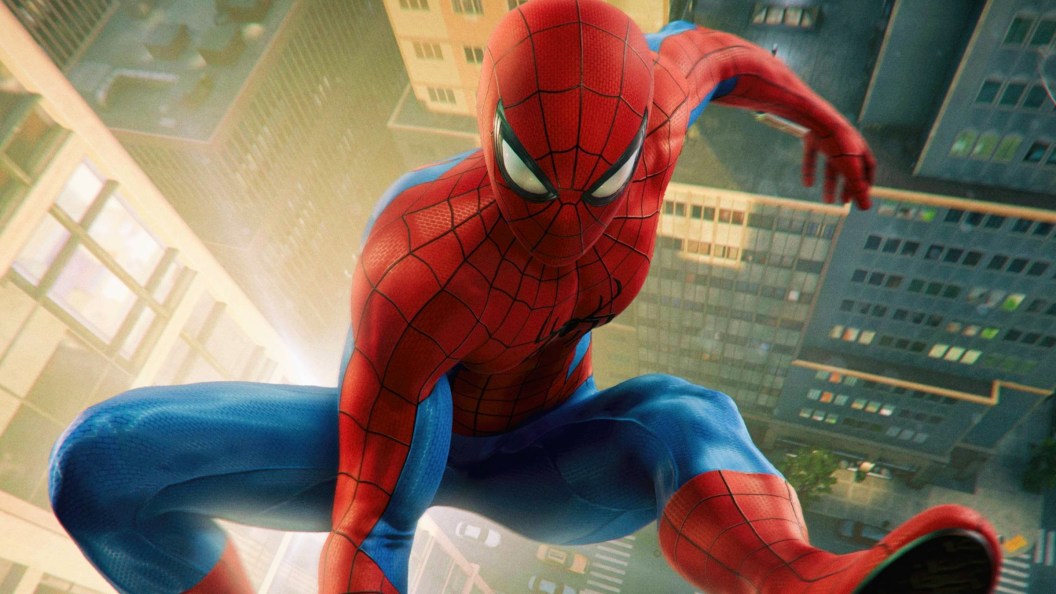
Tom Holland's Spider-Man may soon don the iconic black symbiote suit in the MCU, as confirmed by industry insider Alex Perez.
Delve into the themes, character choices, and cinematic artistry of Guillermo del Toro's Oscar-winning horror film, now with an extended cut release.

The central question surrounding Guillermo del Toro’s 2025 Academy Award-winning horror film lies in how the movie both honors the source material of Mary Shelley’s Frankenstein and reinterprets it through a modern lens. What the extended cut provides is a deeper exploration of these themes while offering fresh insights into the characters and their struggles. In simple terms, the extended cut magnifies the film's exploration of hubris, creation, and humanity, delving into the elements that make it a standout adaptation.
The film has been noted for its lush cinematography and intricate set designs—a hallmark of del Toro’s filmmaking style. Even in its initial release, critics celebrated the film for its visual splendor, with bright colors juxtaposed against its profound themes of darkness and creation. The upcoming home release promises to enhance this aspect even further, as fans will experience it in stunning 4K UHD, showcasing details often overlooked in the theatrical version. The additional content in the Criterion Collection includes both a theatrical and extended director’s cut, allowing viewers new perspectives on the story and characters.
One of the confirmed strengths of the film is its emphasis on the rich themes laid out by Mary Shelley. Del Toro incorporates essential topics, like the complexities of male and female relationships, and the consequences of unchecked ambition, exemplified through Victor Frankenstein’s relationship with both the Creature and Elizabeth. The extended cut is expected to elaborate on these dynamics, particularly focusing on Elizabeth’s role, which has often been reduced in adaptations. Through new scenes, the film promises to bring a nuanced look at how societal constructs influence the female experience within this haunting narrative.
This adaptation stands out because it portrays Victor’s strained relationship with his parents, offering a psychological insight that shapes his persona and actions towards the Creature. The relationship echoes themes of nature versus nurture, raising questions about the impact of upbringing on identity—a core element of Shelley’s novel.
The clues that unfold throughout the narrative reveal layers of meaning and foreshadow upcoming tensions. From the use of colors in framing certain scenes to deliberate pacing in character development, viewers receive subtle cues about the internal and external conflicts each character experiences. These choices add depth to the overarching story of creation, rebellion, and consequence.
The symbolism of the Creature not only embodies societal rejection but also reflects Victor's own internal struggles. Sequences that delve deeper into the hate Victor harbors for his own creations hint at the darker implications of humanity's relationship with technology and power. As the extended cut unfolds, it may provide the needed space to contemplate these symbols more fully.
The conclusion of the film ties back to the origins of the Creature and Victor's tragic flaws, leaving audiences pondering the implications of their choices. Strengthened by additional scenes, the ending becomes a more poignant reminder of how creation can lead to destruction when pursued without care or accountability. This film's unique approach lies in how it challenges viewers not only to empathize with the Creature but also to recognize the complexities within Victor’s psyche, echoing the myriad interpretations of Shelley’s work.
As we await the extended cut's release from The Criterion Collection, it’s exciting to consider the new layers and dialogues it will introduce to audiences. Del Toro’s intricate storytelling, combined with the additional footage, will provide both old fans and newcomers an opportunity to appreciate the full depth of this gothic horror classic. The new content may also include insightful director commentary and behind-the-scenes discussions, providing a more intimate understanding of del Toro's artistic vision.
Furthermore, the addition of documentaries and conversations with stars such as Jacob Elordi and Mia Goth might illuminate how personal experiences shaped the narrative, enriching the viewing experience.
The anticipation surrounding the extended cut of this award-winning film highlights its lasting impact on both horror and cinematic storytelling at large. Fans of del Toro and horror literature alike can look forward to a reengagement with not only the technical artistry of filmmaking but also the ethical and existential questions that make Frankenstein a timeless tale. As the film returns to the spotlight in the form of a 4K UHD release, audiences will have a renewed opportunity to reflect on its themes of creation, identity, and the human condition in an increasingly technological world.
Moreover, as audiences revisit this classic adaptation, the conversation surrounding its relevance in today’s context will continue to evolve, continuing to ignite debates about the fidelity of adaptations and the nature of creation itself. The extended cut will likely open new avenues for analysis and appreciation, ensuring the film's place as a cornerstone of modern horror cinema.
Movie explanation
EpisodeBreakdown may use automated tools to assist research, drafting, and formatting. Published pages are governed by our editorial and corrections policies, and source links are shown when they are available in the article record.
Discovery source: ComicBook.com. The source identifies where the topic was discovered; EpisodeBreakdown is responsible for the commentary published on this page.
Reader response
Reactions and poll results are based on real reader responses. No account is required.