
Tom Holland's Symbiote Suit Rumored for Upcoming MCU Films
Tom Holland's Spider-Man may soon don the iconic black symbiote suit in the MCU, as confirmed by industry insider Alex Perez.
Discover three time travel movies that balance complexity with clarity, ensuring an enjoyable viewing experience without confusion.
In simple terms, the central question regarding time travel films is often: Can complex narratives be made accessible and enjoyable? The answer is a resounding yes, as evidenced by three standout movies that balance inventive storytelling with clarity, ensuring audiences are captivated without becoming overwhelmed. These films exemplify how effective narrative structure and character development can illuminate the fascinating world of time travel.
What is confirmed is that Edge of Tomorrow, starring Tom Cruise, utilizes a time loop mechanic that allows for both character development and thrilling action. The film introduces Major William Cage, caught in an endless cycle of reliving the same day as he battles against alien invaders. Each reset not only serves as a narrative device for learning and growth but also cleverly transforms the audience's understanding of character motivation.
The clarity in the film's time loop mechanics contrasts sharply with more convoluted time-travel narratives. The sequence of events respects its own established rules, allowing viewers to focus on Cage's transformation rather than becoming bogged down by intricate timelines. Essentially, the film employs its sci-fi premise to build a compelling character arc, showcasing how even in a high-stakes environment, personal growth can shine through the chaos of warfare.
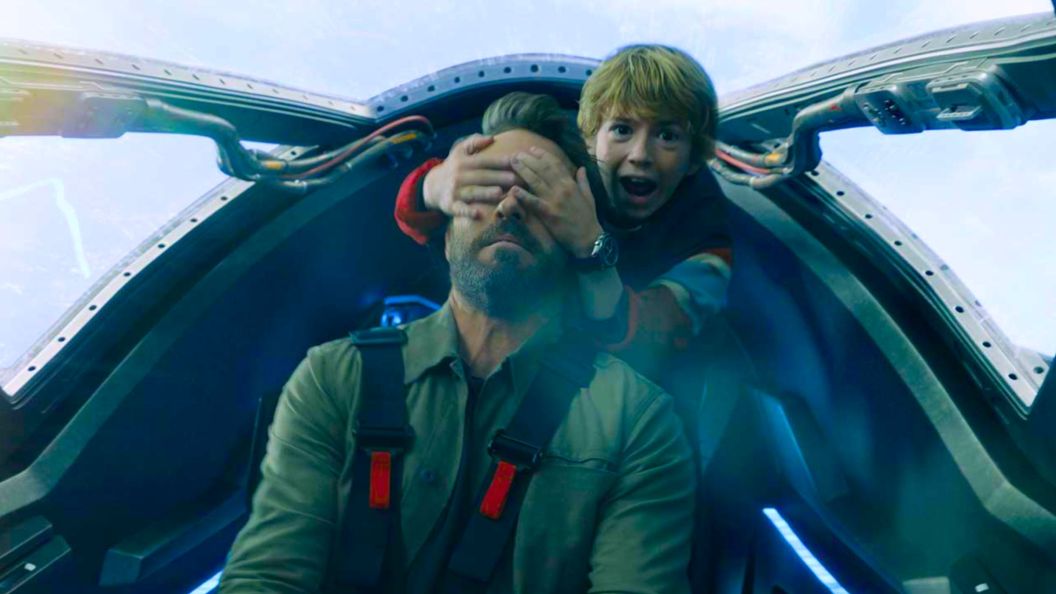
The Adam Project takes a more emotional pathway, confirming its premise through character connections rather than elaborate time-travel theories. Following Adam Reed, played by Ryan Reynolds, the narrative centers on his unexpected trip back to 2022, where he teams up with his younger self. The objective is to thwart technological changes that could jeopardize humanity.
The film stands out for its simplicity in the presentation of time-travel mechanics, which allows the focus to remain on the evolving relationship between the two Adams. Director Shawn Levy deliberately crafted the narrative to emphasize familial connections over complex temporal puzzles, effectively utilizing time travel as a lens through which to explore themes of regret and personal growth. This emotional core makes the film resonate with viewers, proving that sci-fi can engage heart and mind alike.
As one of the quintessential time travel films, Back to the Future remains a cultural touchstone, effortlessly integrating time travel into a relatable narrative. The film’s premise revolves around Marty McFly, who inadvertently travels back to 1955, disrupting his parents' meeting and jeopardizing his own existence. This immediate cause-and-effect dynamic is presented in a way that is straightforward and engaging.
What is important to note is the film's clarity; it effectively lays out the consequences of actions right from the start, preventing confusion. The film’s charm lies in how it combines humor, adventure, and drama, creating a multilayered experience that is accessible to audiences of all ages. Back to the Future has since become a pioneering effort in the genre, demonstrating that strong storytelling can make complex themes feel accessible and fun.
The common thread among these three films lies in their approach to time travel: they prioritize character development and emotional resonance over complicated timelines. While genres often revel in intricacy, these movies strip down the mechanics to their essence, allowing viewers to engage with the narrative without needing a flowchart to follow along. As a result, they become precise examples of how effective storytelling can anchor even the most fantastic concepts.
The contrasting techniques exhibited in Edge of Tomorrow, The Adam Project, and Back to the Future point to a future in time travel cinema that embraces clarity alongside creativity. Filmmakers may increasingly find ways to tackle complex themes through straightforward narratives that prioritize character connections. As the genre evolves, audiences can expect more films that deftly blend sci-fi elements with universally relatable themes.
What this means for the broader entertainment landscape is that time travel narratives can continue to thrive without sacrificing engagement for complexity. For those looking to dive into time travel films without the headache of puzzling timelines, these three movies serve as perfect entry points, exemplifying how the genre can tell meaningful, enjoyable stories.
In summary, Edge of Tomorrow, The Adam Project, and Back to the Future exemplify how time travel narratives can be constructed with clarity while remaining engaging. They highlight a trend in the genre that prioritizes emotional depth and character-driven storytelling over unnecessary complexity, ensuring that even casual viewers can appreciate and enjoy their intricate themes without confusion. As audiences, we can anticipate that the continued evolution of time travel in cinema will lean toward accessible narratives that speak to our shared human experiences while still delighting our imaginations.
Movie explanation
EpisodeBreakdown may use automated tools to assist research, drafting, and formatting. Published pages are governed by our editorial and corrections policies, and source links are shown when they are available in the article record.
Discovery source: ComicBook.com. The source identifies where the topic was discovered; EpisodeBreakdown is responsible for the commentary published on this page.
Reader response
Reactions and poll results are based on real reader responses. No account is required.