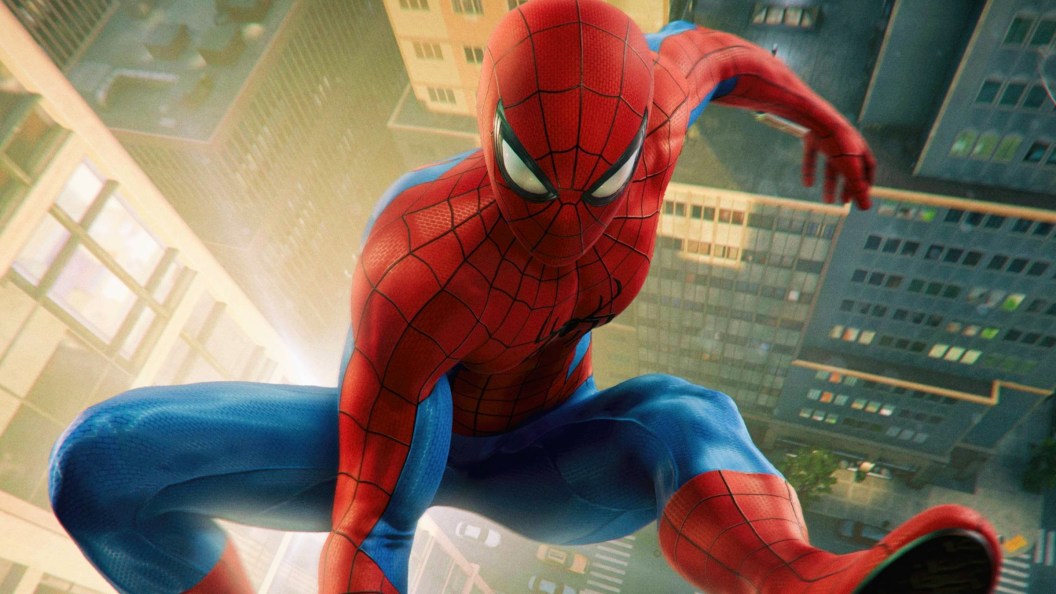
Tom Holland's Symbiote Suit Rumored for Upcoming MCU Films
Tom Holland's Spider-Man may soon don the iconic black symbiote suit in the MCU, as confirmed by industry insider Alex Perez.
Explore the themes, filmmaking choices, and character dynamics behind Netflix's thrilling new feature, The Last House, as we analyze its chilling narrative.

In simple terms, The Last House poses a central question: what happens when a family is forced to confront both external and internal horrors? The film, a gripping thriller on Netflix, follows a family of four who are trapped in their own home, battling against dwindling resources and a sinister, unseen presence lurking outside. While the confirmed narrative is about survival, the real heart of the film delves deeper into the psychological and emotional strains that isolation can inflict on a family.
The narrative articulates the chaotic interplay between fear and familial resilience. Confirmed elements of the plot illustrate how the family—comprised of parents and young children—encounters physical threats while navigating emotional turbulence when cut off from the outside world. This dual-layer of tension enhances both the horror and the drama of the film.
A significant turning point in the film is the director Louis Letterier’s commitment to practical effects, which emphasizes realism. Unlike many contemporary horror films, which often rely heavily on CGI, Letterier chose to utilize authentic elements—real animals, grass, and even water. He explains, “It was the most difficult experience of my career… I wanted everything to be fully practical.” This decision not only amplifies the film’s unsettling atmosphere but grounds the horror in a tangible way that is often absent from standard digital effects.
By opting for practical effects, the film gains a visceral quality that deepens the viewer's emotional engagement. The film’s director highlights that even the animals were real, presenting considerable challenges on set. The choice to forgo CGI underscores a determination to showcase a real, rather than curated, world—a choice that ultimately increases the film's impact.
As the family's food supplies dwindle and their situation becomes increasingly dire, individual choices reveal their psychological struggles. Confirmed according to character discussions, the film explores the breakdown and strengthening of familial bonds under stress. Wagner Moura and Greta Lee portray a married couple whose performances transcend surface-level emotions. Their relationship intricately evolves throughout the film, creating tension as they wrestle with disagreements amidst their desperate circumstances.
Their performances invite us to contemplate how the pressures of isolation can catalyze both conflict and unity. What emerges is a poignant exploration of love strained by survival instincts and existential dread. This nuanced portrayal of their marital relationship captures the essence of how love can both falter and grow stronger, even under the most harrowing conditions.
Another layer that heightens the film's tension is the mysterious entity outside their home. While the confirmed nature of this presence remains somewhat ambiguous, it serves as an effective metaphor for the unseen fears we face in life—fears of failure, of losing loved ones, and even of the unknown future. The unpredictable nature of this threat elevates the stakes, driving the characters into a psychological spiral that fuels their desperation.
Letterier’s direction emphasizes this point cleverly. The unseen entity generates a constant sense of dread, compelling characters to confront not only external threats but also their inner demons. This blend of psychological and supernatural horror is not just about survival; it delves into how fear can manipulate perceptions and relationships.
The filmmaking techniques applied in The Last House merit discussion as they play a crucial role in the storytelling. Letterier's emphasis on practical effects aligns with a broader trend of filmmakers recapturing the essence of classical horror—creating genuine suspense through physicality versus reliance on technology. This artistic choice enhances the authenticity of the emotional moments and the terror.
Interview snippets reveal that cast members, especially those who were new to film, were profoundly impacted by this approach. The demanding conditions contributed to authenticity in performances, where fear and exhaustion were as palpable as the physical threats portrayed on screen.
The ending of The Last House ties back to its central questions. Without revealing spoilers, it serves as a culmination of both external and internal conflicts faced by the family. The resolution illustrates the fragility of relationships under pressure and how the fight for survival can elicit transformative changes in its characters.
Here’s what’s confirmed: the conclusion does not offer simple answers but instead leaves viewers pondering the depths of fear and love. It invokes questions about what happens next—what changes within each character will endure post-crisis?
This reflective ending invites an engagement far beyond the immediate horror, prompting discussions about resilience and human nature under duress. It acts as a fitting denouement to the psychological and emotional arcs developed throughout the film.
The Last House emerges as a potent exploration of fear, family dynamics, and resilience in the face of crisis. By employing practical effects and emphasizing character relationships, it elevates the creature-feature genre into a thought-provoking commentary. The film asks us to confront the terrors both outside and within us, merging psychological insights with visceral horror.
For viewers seeking to delve deeper, we recommend checking out related analyses like Understanding the Enigma of The Last House: Are Families Trapped Forever? or examining what truly traps the families in The Last House from an analytical perspective. Through strong performances, unflinching realism, and thought-provoking themes, The Last House sets itself apart within the crowded landscape of modern horror.
Movie explanation
EpisodeBreakdown may use automated tools to assist research, drafting, and formatting. Published pages are governed by our editorial and corrections policies, and source links are shown when they are available in the article record.
Discovery source: ComicBook.com. The source identifies where the topic was discovered; EpisodeBreakdown is responsible for the commentary published on this page.
Reader response
Reactions and poll results are based on real reader responses. No account is required.