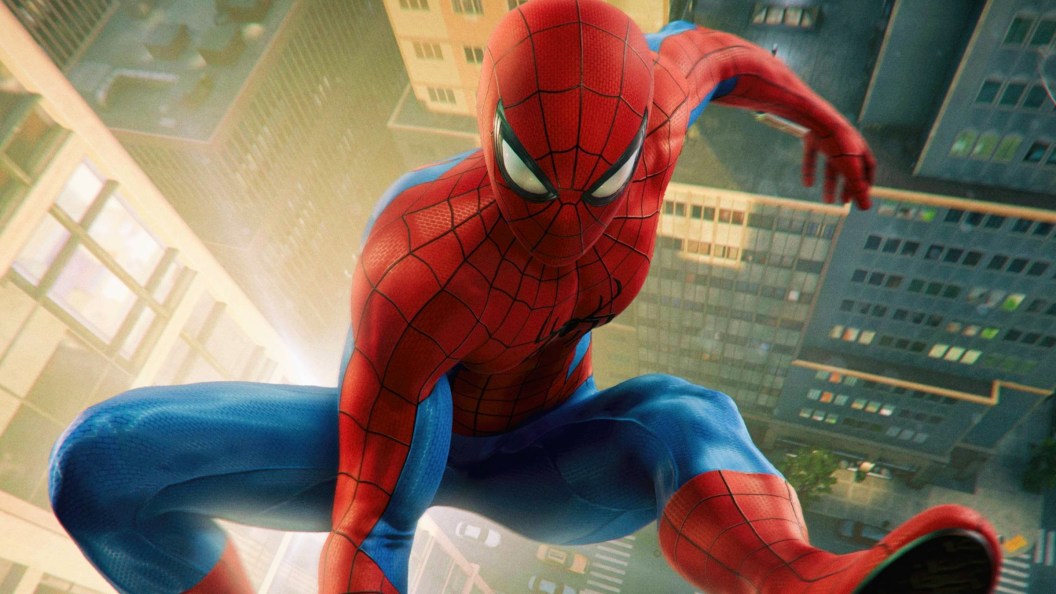
Tom Holland's Symbiote Suit Rumored for Upcoming MCU Films
Tom Holland's Spider-Man may soon don the iconic black symbiote suit in the MCU, as confirmed by industry insider Alex Perez.
This article explores why the Delgado family was trapped in The Last House and delves deep into the film's themes and ambiguous ending.
In simple terms, the central question of The Last House is: why were the Delgado family and others trapped in their homes during a perpetual downpour? The film offers a tantalizing blend of suspense and mystery, grounding its narrative in themes of fear, misunderstanding, and ultimately, empathy. The answer reveals itself through a series of revealed truths and character dynamics that shift dramatically throughout the story's arc.
What we know is that the film presents strange creatures that seal off homes during a mysterious, unending rain that lasts five years. Writer Matthew Robinson, who directed the film, has stated that the antagonists, simply referred to as “the creatures,” were intentionally left nameless, enhancing their ominous presence. The ambiguity surrounding these creatures adds to the overall suspense of the film.
The origins of the creatures are intriguing. According to Robinson, they likely come from the deep ocean, a place that remains largely unexplored by humanity. He contrasts our fascination with Mars to highlight our neglect of Earth’s vast and mysterious oceans. The opening quote from Arthur C. Clarke—known for his explorations of the unknown—supports this oceanic theme, setting up a foundation for the film's exploration of the unknown fears that lie beneath both water and societal structures.
In terms of psychology, the trapping of the Delgado family symbolizes a human instinct to seek safety in isolation, a reaction to the fear of the unknown. As rain relentlessly pounds on the roof, the family grapples with survival and the loss of control. Their home, initially a sanctuary, becomes a cage, mirroring their emotional and mental states. This theme of entrapment is critical; it prompts viewers to consider the fine line between safety and confinement.
Robinson’s decision to portray the creatures through the family’s perspective deepens the psychological tension. The creatures roam outside, nearly invisible threats for most of the film, which keeps the viewer in suspense about their true nature and intent.
The film reaches a pivotal moment when the family, out of desperation, decides to confront one of the creatures directly. They arm themselves with improvised weapons, a sign of their frustration and fear. However, they choose a surprising path: instead of killing the creature, they opt for mercy, freeing it from its restraints. This act seems to resonate deeply not only with the Delgado family but also with the creatures lurking outside.
Matthew Robinson articulates this choice as an essential theme of the film: two scared species harboring misconceptions about each other. By choosing empathy over violence, the family manifests their humanity—a subtle but powerful shift in narrative direction that challenges prevailing notions of survival at all costs. This courageous act becomes a catalyst that triggers both the family’s and the creatures' responses.
As the rain finally ceases, the film's ending teeters on the edge of both hope and uncertainty. The creatures, expressing an unspoken connection with the Delgados, jump into the hole left by the collapsing house and vanish. This concluding scene leaves viewers pondering the ramifications of their interactions and whether the creatures will return. While Robinson acknowledges that the ending is deliberately ambiguous, he emphasizes its hopeful tone, stating, “They don’t know what’s over the next wave, but they’re together and they’re going to find a way.”
This finale enriches the narrative’s theme of empathy by presenting the idea that understanding and coexistence can provoke profound change, even amidst unrealized fears.
The interplay of empathy and fear throughout The Last House consistently encapsulates the broader human experience. While it touches on monstrous forms of existential dread, the underlying message revolves around the power of connection and understanding. The film invites audiences to contemplate how easily fear misleads us into isolation.
Moreover, in a world increasingly disconnected by technology and circumstances, the film presents a sobering reminder that vulnerability can lead to strength. This central theme resonates deeply within contemporary issues, punctuating the narrative's personal stakes with a broader social commentary on humanity's need for connection.
In summary, The Last House serves not only as a survival thriller but also as a meditation on understanding and coexistence in the face of fear. It underscores the potential for growth through compassion, even amidst the unknown. The Delgado family's eventual decision to act with mercy invites a consideration of moral choices that could lead to a brighter future, echoing throughout the film's haunting yet hopeful conclusion. Similar themes can be explored in other narratives, such as reflections in House of the Dragon, where characters also grapple with moral dilemmas and the nuances of human connection.
To delve deeper into themes of survival and moral decisions in other series, you may want to check out our analyses on key deaths in House of the Dragon and the impact of character decisions on plot outcomes.
Movie explanation
EpisodeBreakdown may use automated tools to assist research, drafting, and formatting. Published pages are governed by our editorial and corrections policies, and source links are shown when they are available in the article record.
Discovery source: ComingSoon. The source identifies where the topic was discovered; EpisodeBreakdown is responsible for the commentary published on this page.
Reader response
Reactions and poll results are based on real reader responses. No account is required.