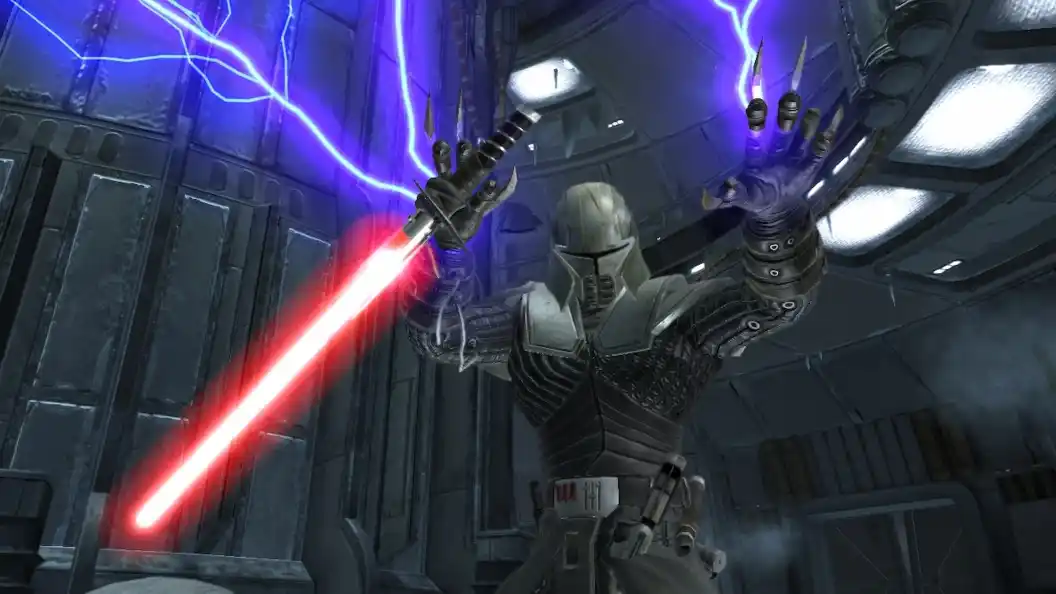
Sixteen years after its debut, LucasArts' Star Wars: The Force Unleashed series remains incomplete, with the third game canceled in 2013 due to LucasArts' closure. The franchise's legacy endures despite the unfinished trilogy.
LucasArts' Star Wars: The Force Unleashed Trilogy Stalled in 2013
ComicBook.com reports that Star Wars: The Force Unleashed, released on September 16, 2008, remains one of the most underrated games in the franchise despite its cultural impact. The series was intended to form a trilogy but was halted after the second installment, Star Wars: The Force Unleashed II, launched in 2010. LucasArts' closure in 2013 canceled The Force Unleashed III, leaving fans without a completed trilogy.
The original game introduced Galen Marek, known as Starkiller, Darth Vader’s secret apprentice. Set between Star Wars: Episode III – Revenge of the Sith and Star Wars: Episode IV – A New Hope, it explored Starkiller’s journey as an Imperial weapon hunting Jedi under Vader’s command. The game’s narrative centered on Starkiller’s internal conflict—questioning his master and choosing his own path—a theme that resonated with players.
Starkiller’s Character and Gameplay Design
Starkiller’s character design was pivotal to the game’s appeal. Sam Witwer, a prominent Star Wars fan in Hollywood, voiced Starkiller, portraying him as a dark reflection of Luke Skywalker. Unlike Luke, Starkiller was captured by the Dark Side, creating a compelling duality in his character. The game’s story also connected Starkiller to key figures like General Rahm Kota and Bail Organa, helping establish the Rebel Alliance’s origins.
Gameplay-wise, The Force Unleashed prioritized spectacle over realism. Players could wield lightsabers, unleash Force lightning, and use Force Repulse to throw enemies across rooms. LucasArts employed physics engines like Digital Molecular Matter and Havok to create dynamic interactions, ensuring enemies and objects reacted to Starkiller’s abilities. This approach made the game stand out from earlier Star Wars titles and remains influential today.
The Sequel and Its Limitations
The Force Unleashed II (2010) continued Starkiller’s story but faced criticism for its short length, repetitive combat, and lackluster narrative. Players controlled a clone of Starkiller, attempting to escape Vader’s influence. While the sequel introduced dual-wielded lightsabers and expanded the game’s scope, it failed to match the original’s impact. The sequel’s shortcomings highlighted the challenges of maintaining a trilogy’s momentum without a cohesive narrative or gameplay evolution.
Why the Trilogy Was Cancelled
The cancellation of The Force Unleashed III followed LucasArts’ shutdown in 2013. Disney’s acquisition of Lucasfilm in 2012 led to the consolidation of LucasArts’ projects, with The Force Unleashed series among several canceled Star Wars games. Despite its potential, the project was never revived, and no official plans exist to reboot the trilogy.
Legacy and Current Relevance
Though the trilogy remains incomplete, The Force Unleashed is still celebrated as one of the fastest-selling Star Wars games ever. Its combat system and character depth continue to attract players decades later. Modern advancements in technology could potentially revive the series, but LucasArts’ closure and Disney’s focus on newer projects have left the trilogy unfinished.
The game’s legacy endures as a testament to LucasArts’ ambition in blending Star Wars storytelling with innovative gameplay. While The Force Unleashed series has not reached its full potential, its influence on the franchise remains significant. As of 2026, the game remains a worthwhile experience for both longtime fans and newcomers seeking a unique Star Wars narrative.
LucasArts' Star Wars: The Force Unleashed Trilogy Stalled in 2013Starkiller’s Character and Gameplay DesignThe Sequel and Its LimitationsWhy the Trilogy Was Cancelled
EpisodeBreakdown may use automated tools to assist research, drafting, and formatting. Published pages are governed by our editorial and corrections policies, and source links are shown when they are available in the article record.
Discovery source:ComicBook.com. The source identifies where the topic was discovered; EpisodeBreakdown is responsible for the commentary published on this page.
Reader response
What did you think?
Be the first to react
Reactions and poll results are based on real reader responses. No account is required.
Continue the story
news
Captain America, Iron Man, and Thor Don’t Define the Avengers, These 5 Heroes Do
ComicBook.com reports that while Captain America, Iron Man, and Thor are often considered the core Avengers, the team’s true identity is defined by five key members who have shaped its legacy.Read next →