39 Years of Mighty Mouse: The New Adventures and Its Animation Legacy
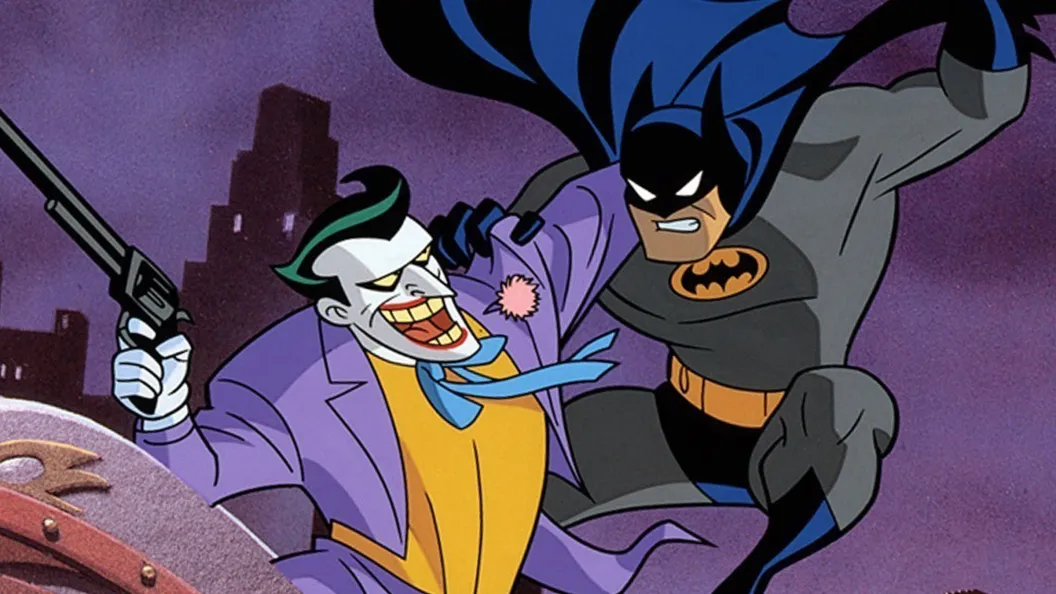
Mighty Mouse: The New Adventures premiered 39 years ago, igniting a revolution in animation that paved the way for shows like Batman: The Animated Series.
Lucille Ball played a pivotal role in supporting the early production of Star Trek, significantly influencing its path to success before its premiere.

In a surprising turn of events that shaped television history, Lucille Ball was instrumental in the early development of Star Trek, according to a recent feature from ComicBook.com. This report details how Ball, best known for her comedic role in I Love Lucy, took a significant gamble by backing the unconventional science-fiction series created by Gene Roddenberry. Despite the challenges associated with its production, her support was crucial in navigating the series to its eventual launch on September 8, 1966.
The saga began in 1964 when Gene Roddenberry presented his idea for Star Trek to Desilu Productions, where Lucille Ball held a major leadership role. Executives at Desilu recognized Roddenberry's vision, with involvement from studio executive Herbert F. Solow, who helped generate interest from NBC. Despite initial resistance, including the rejection of the first pilot titled The Cage, Ball approved moving forward with a second pilot following NBC's request for a simpler storyline and a revised cast.
One of the most daunting obstacles for Star Trek was its high production costs. While the show required significant investment for elaborate sets, costumes, and special effects, Desilu Productions could not fully recoup these costs from NBC. Lucille Ball faced pressure from some executives within her studio to abandon the project due to its financial demands. However, she made the bold decision to continue funding the series. Former Desilu executive Ed Holly emphasized the importance of her commitment, stating, "there would be no Star Trek without Lucille Ball."
Ball's involvement in Star Trek not only highlights her boldness in taking creative risks but also reveals an unexplored aspect of the franchise's origin story. While she did not create or write the series, her willingness to champion this risky endeavor ultimately led to Star Trek becoming a cultural icon. The show's legacy has expanded beyond television into films, games, and literature, amplifying its reach across various mediums.
Ball's initial misunderstanding about the nature of Star Trek—believing it involved USO entertainers—adds an ironic twist to her association with the series. Her decision to support the show despite the doubts encapsulates a pivotal moment in television history, helping launch a franchise that would eventually include beloved characters like Captain Kirk and Spock.
Lucille Ball's influence on Star Trek underscores the importance of executive support in the television industry, especially for groundbreaking projects. Her story emphasizes how critical backing can allow innovative ideas to flourish, even in the face of skepticism and financial obstacles. As Star Trek continues to thrive, Lucille Ball’s role serves as a reminder of the significant impacts behind-the-scenes figures can have on beloved franchises, contributing to their ongoing legacy and success.
For those interested in exploring how other iconic shows came to be, check out VisionQuest Star Shares Insights and Nickelodeon's Rocko's Modern Life Celebrates 33 Years.
Entertainment news
EpisodeBreakdown may use automated tools to assist research, drafting, and formatting. Published pages are governed by our editorial and corrections policies, and source links are shown when they are available in the article record.
Discovery source: ComicBook.com. The source identifies where the topic was discovered; EpisodeBreakdown is responsible for the commentary published on this page.
Reader response
Reactions and poll results are based on real reader responses. No account is required.