Spider-Man: Brand New Day's Box Office Marvel
Analyzing the success of Spider-Man: Brand New Day's incredible box office performance and deeper themes.
Explore M. Night Shyamalan's unique storytelling through his psychological thrillers, examining themes, characters, and the intricacies behind his twist endings.
In simple terms, M. Night Shyamalan's films pose complex questions centered around human psychology, morality, and the nature of reality. At the heart of his most impactful works lies an underlying question: how do our fears and perceptions shape the narratives we live? What happens is a blend of masterful storytelling, unexpected twists, and deep emotional resonance that drives audiences to contemplate long after the credits roll.
The trajectory of Shyamalan’s career highlights both triumphs and missteps, with films that have fascinated and frustrated viewers in equal measure. From the haunting revelations in The Sixth Sense to the layered complexities in Signs, Shyamalan’s psychological thrillers serve as a canvas that explores the intricacies of the human experience. What remains confirmed is that these films utilize their thrilling elements to provoke meaningful thought, making the director a prominent figure in contemporary cinema.
Each of Shyamalan’s films carries distinct turning points, often marked by significant plot twists that not only alter the story’s direction but also redefine the characters’ journeys. These moments often come at the intersection of external tension and internal struggle, emphasizing how external threats force characters to confront their innermost fears and weaknesses.
For instance, in The Sixth Sense, the twist surrounding Dr. Malcolm Crowe’s (Bruce Willis) reality fundamentally changes the viewer's understanding of his motivations and actions throughout the film. The reveal reframes every earlier scene, highlighting Shyamalan's prowess in crafting narratives that are as intricate as they are surprising. The technique of embedding clues throughout the film becomes a hallmark of Shyamalan’s storytelling, propelling audiences to reassess their interpretations with each viewing.
Similarly, The Village underlines this by leading viewers through a perceived horror narrative only to unearth a critique on societal fears and the cost of sheltering oneself from the outside world. Such binary constructs allow for profound thematic exploration, presenting psychological insights veiled under layers of suspense.
Shyamalan's films often grapple with themes of fear—fear of the unknown, fear of others, and even fear of oneself. By doing so, the director delves into moral questions that compel characters to confront ethical dilemmas. These themes are especially prominent in films such as Signs and Knock at the Cabin, where the stakes are continually raised to an existential level.
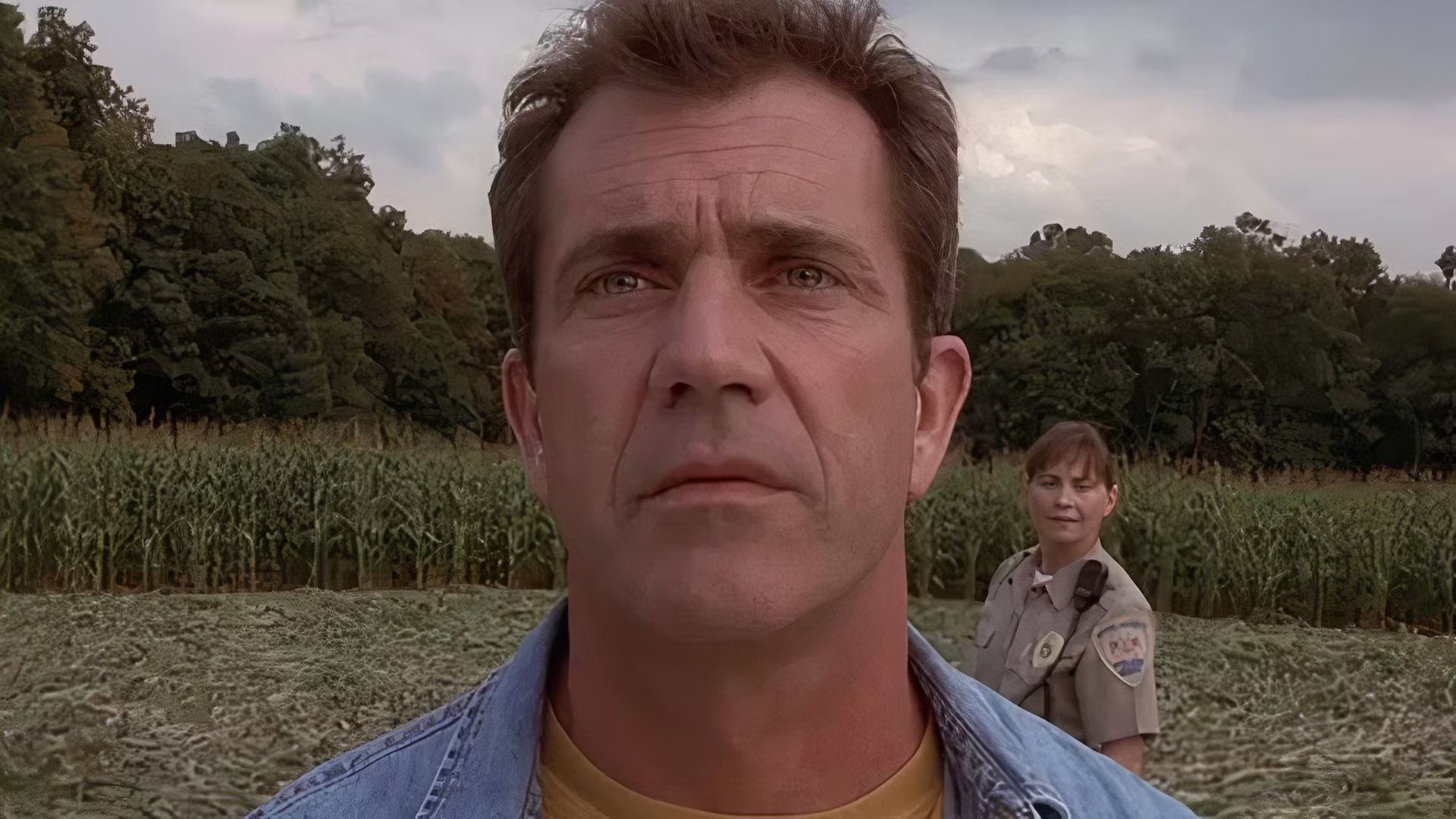
In Signs, the alien invasion serves as a backdrop for deeper explorations of faith, doubt, and family responsibilities. Graham Hess (Mel Gibson), struggling with the loss of his wife and his own beliefs, must confront not only external forces but also internal demons that question his moral compass. The film artfully marries suspense with emotional stakes, crafting a narrative that resonates far beyond mere horror.
Knock at the Cabin, on the other hand, poses a dire moral quandary as a family must decide whether to sacrifice one of their own to save humanity. This film strips away typical villain archetypes and instead frames fear in the context of human beliefs and choices. Such decisions highlight the critical psychological struggles that define human nature, challenging viewers to reflect on their values and the consequences of their actions.
Character choices in Shyamalan’s films reveal much about human psychology, often depicting how external pressures influence internal motivations. For example, in Split, Kevin Wendell Crumb (James McAvoy) exhibits a striking portrayal of dissociative identity disorder through his various personalities. The film invites scrutiny regarding how trauma shapes identity and behavior while opening up discussions about mental health.
Characters in Shyamalan’s stories are rarely defined by straightforward heroism or villainy. Instead, they exist in complex moral landscapes where their decisions often lead to dire consequences, evoking empathy and dread alike. This unpredictability is what makes films like The Happening and Lady in the Water particularly fascinating, as we witness flawed characters navigate their circumstances amidst chaos.
What truly sets Shyamalan apart is his ability to integrate twisted reveals that force reevaluation. Each twist is carefully orchestrated, meant not just to shock but also to provide critical commentary on the characters’ arcs and the narratives they inhabit. The revelations often echo themes established earlier in the narrative, making them not just surprising but also satisfying in retrospect.
In The Visit, the unexpected twist enhances the tension of the entire setup, serving as both a climax and a commentary on family dynamics. Despite its flaws, this film exemplifies how Shyamalan utilizes plot twists as pivotal moments that radically alter both plot trajectories and character journeys. Even in films criticized for their conclusions, such as Glass, the twists serve as reflection points for the characters’ development.
Shyamalan's endings are often subjects of debate, with varying reactions from audiences depending on how they align with viewers' interpretations of the film's narrative. While some films like The Sixth Sense offer clear resolutions, others may leave questions lingering, inviting contemplation rather than closure.
In Old, the film culminates in a twist that reveals the perils of aging and the traps laid by time itself. Yet, the ending raises further questions about the subjective experience of life and death, leaving viewers contemplating the psychological implications of the rapid passage of time. This thematic depth supports the film's broader exploration of life’s transience and the human condition's interplay with time.
Conversely, Knock at the Cabin presents a more straightforward conclusion, aligning with its urgent moral dilemma while still engaging the audience with ethical questions about sacrifice. This departure from traditional twists represents a maturation in Shyamalan's storytelling, blending narrative simplicity with profound implications.
In examining M. Night Shyamalan’s body of work, it becomes apparent that his films are not merely exercises in suspense; they are profound explorations of the human psyche. Each psychological thriller, through its unique lens, addresses deep-rooted fears, moral dilemmas, and the complexities of identity in a chaotic world. The director’s skill in weaving intricate narratives with powerful twists affirms his place in cinematic history as a storyteller with something valuable to say, even when the delivery may not always hit the mark.
Fans and critics alike should continually revisit his works not just for their shock value but for the layered dialogues they inspire around humanity’s most pressing questions, making M. Night Shyamalan a unique and essential voice in modern cinema. For further exploration of Shyamalan’s thematic elements, you can check out other analyses such as the connection to Nightmare Shift, or understand character dynamics in more complex narratives through The Best Episodes of Tales from the Crypt Ranked.
Look forward to fresh interpretations and consider how each of his cinematic choices shapes the discourse surrounding psychological thrillers and their impact on audiences today.
Movie explanation
EpisodeBreakdown may use automated tools to assist research, drafting, and formatting. Published pages are governed by our editorial and corrections policies, and source links are shown when they are available in the article record.
Discovery source: MovieWeb. The source identifies where the topic was discovered; EpisodeBreakdown is responsible for the commentary published on this page.
Reader response
Reactions and poll results are based on real reader responses. No account is required.