Godzilla
24 Years Ago, M. Night Shyamalan's Twist in Signs Divides Fans
M. Night Shyamalan’s twist ending in Signs remains a topic of debate, 24 years later, provoking varied reactions among audiences.
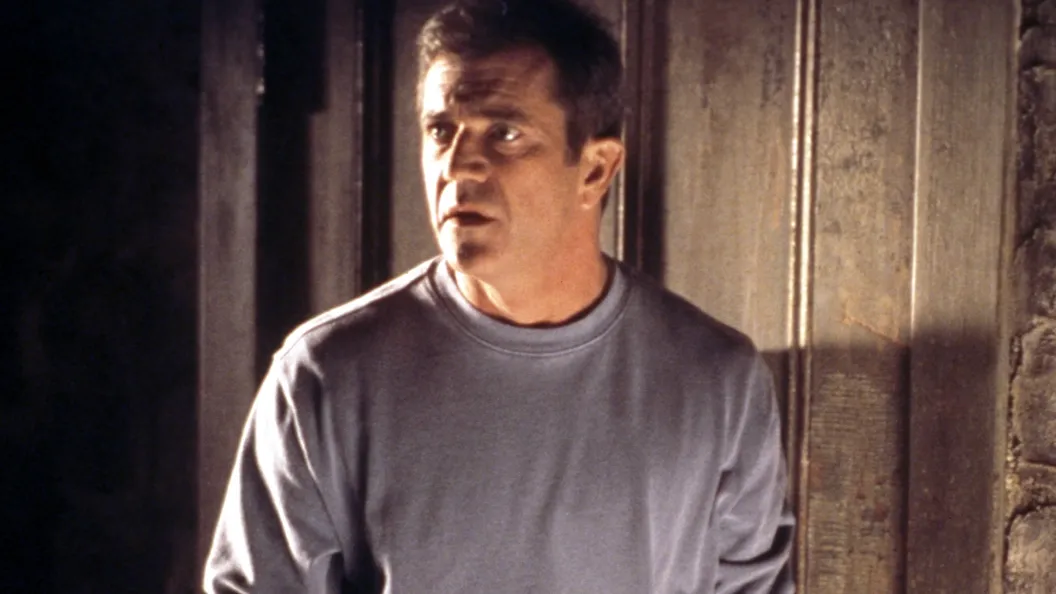
M. Night Shyamalan’s twist ending in Signs remains a topic of debate, 24 years later, provoking varied reactions among audiences.
In simple terms, M. Night Shyamalan's controversial twist ending in the 2002 film Signs has continued to generate discussion and debate among fans, nearly a quarter-century after its release. The director's penchant for shocking conclusions is well documented, but it's this particular film that raised significant questions about narrative coherence in a way that audiences still grapple with. This information was reported by Cathal Gunning on ComicBook.com.
Signs, a sci-fi horror movie featuring Mel Gibson and Joaquin Phoenix, tells the story of a family confronted by extraterrestrial threats. As the plot unfolds and suspense builds, a climactic twist occurs when one of the aliens is fatally injured by water. Critics argue that this revelation struck many as illogical, considering the aliens' acute vulnerability to H2O, raising eyebrows and leaving viewers perplexed.
This unanticipated twist has earned the film both criticism and a certain cult status, leading to various interpretations and fan theories. Despite its commercial success, the film's ending can be viewed as a turning point for Shyamalan, whose career was built on twist endings that captivated audiences in films like The Sixth Sense and Unbreakable.
Shyamalan's earlier works, including The Sixth Sense and Unbreakable, garnered acclaim and cemented his status as a filmmaker known for ingenious plot twists. However, Signs introduced a narrative complexity that shocked viewers in a much different way. While the build-up to the film's climax is regarded as effectively scary and gripping, the conclusion serves as a dividing line: some viewers found it clever, while others viewed it as a letdown.
The inconsistencies in the plot have become fodder for analytical discussions, with various fan theories attempting to reconcile what appears to be a substantial narrative flaw. Some fans speculate that the aliens are metaphors rather than mere extraterrestrial beings, while others argue that the unexplained success in overcoming them stems from the character's regained faith. Nevertheless, these theories underscore the film's disjointed logical structure.
In reviewing Signs, critical reception over the years illustrates a range of impressions. Initially, many praised its atmospheric tension and unique take on familial dynamics amidst crisis. Yet, as viewers revisited it, the ending spurred contention that could not be easily dismissed. The latter years saw Shyamalan's later projects face heightened scrutiny as audience expectations shifted; fans became increasingly aware of his storytelling patterns.
Shyamalan's filmography enjoys eclectic reception, as evidenced by later works like The Village and The Visit, which either embraced or eschewed his signature twist endings. Signs represents a pivotal moment in this shift, as it showcased the risks of ambiguity in storytelling and how one unexpected reveal could overshadow an otherwise compelling narrative.
In comparison to iconic sci-fi horror films, Shyamalan's ending in Signs provoked markedly mixed responses, showcasing how twist endings can influence audience engagement for decades.
The lively discourse surrounding Signs highlights the movie's lasting effect on pop culture. Characters, narrative, and especially the twist endings in Shyamalan's works remain salient topics among cinema buffs. The divide among fans is evident; while some endorse the film's stylistic choices, others question its overall effectiveness. This conversation inundates online forums and social media, evidencing the film's impact and enduring relevance — even 24 years after its original release.
Such dialogues invite viewers not just to consider plot mechanics, but also to reflect on how an artist's choices ripple through their oeuvre.
The debate surrounding M. Night Shyamalan's twist in Signs serves as a critical lens through which to view the evolution of narrative expectations in cinema. As audiences become savvier and more discerning about storytelling choices, filmmakers must navigate a complex landscape where even a single twist can change perceptions and relationships with their work. This ongoing discourse highlights not just the risks of twist endings but their potential for artistic evolution and audience engagement.
As we look back at Signs, it may well serve as a study in contrasts—between expected resolution and unexpected disappointment, between the terror of the unknown and the familiarity of narrative conventions. Shyamalan's exploration of these themes continues to resonate, making the film a captivating subject for both critique and appreciation.
Entertainment news
EpisodeBreakdown may use automated tools to assist research, drafting, and formatting. Published pages are governed by our editorial and corrections policies, and source links are shown when they are available in the article record.
Discovery source: ComicBook.com. The source identifies where the topic was discovered; EpisodeBreakdown is responsible for the commentary published on this page.
Reader response
Reactions and poll results are based on real reader responses. No account is required.
A deep dive into 'Godzilla Minus Zero', exploring its major themes, character decisions, and narrative progression leading to the climax.