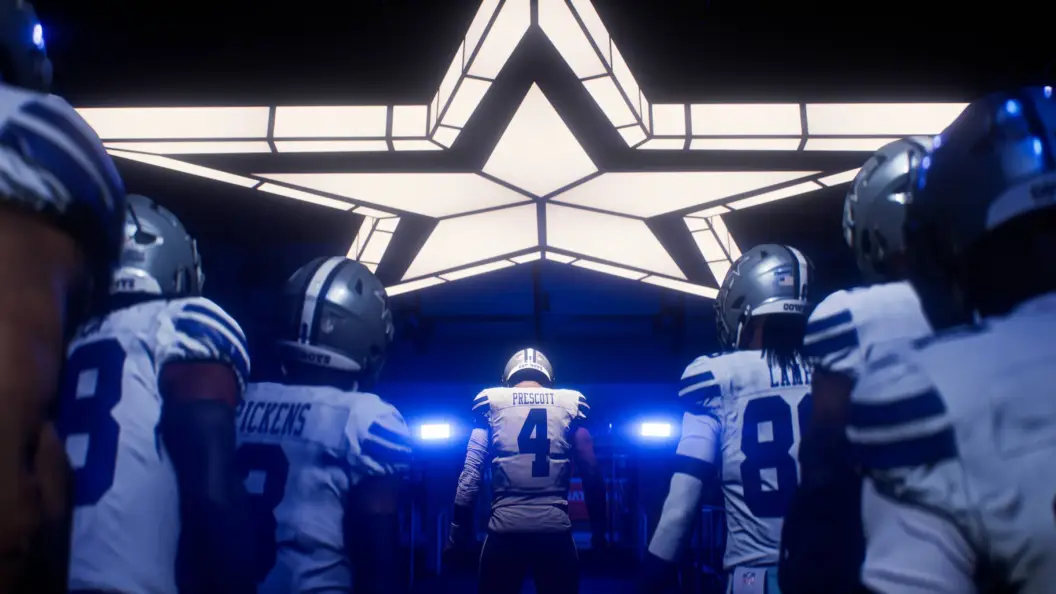
Electronic Arts' latest football simulation game, Madden NFL 27, has drawn significant backlash for its monetization systems, which critics argue make the game increasingly difficult to play without spending money.
ComicBook.com reports that Electronic Arts' latest football simulation game, Madden NFL 27, has sparked widespread criticism for its aggressive monetization practices. The article states that the game's systems require players to spend real-world money at nearly every step of the experience, with the Ultimate Team mode being particularly problematic. Despite refined gameplay mechanics, the game has been criticized for its "egregious microtransactions" that make progression feel forced and less accessible to free-to-play players.
Ultimate Team Mode: The Worst Monetization Hotspot
The Ultimate Team mode in Madden NFL 27 has been identified as the most monetization-intensive section of the game. According to ComicBook.com, the mode is "littered with pack promotions for various random drops of different players," mirroring the aggressive monetization strategies seen in mobile gacha games. Players are required to spend premium currency, which is increasingly scarce through natural in-game actions, to progress. This has led to concerns that the game's progression systems are designed to encourage spending rather than rewarding players through gameplay.
Superstar Mode Features Pay-to-Progress Systems
Beyond the Ultimate Team, Madden NFL 27 has introduced pay-to-progress features in the single-player Superstar mode. These systems include barriers that force players to spend money to gain premium experience points for faster career progression. While these features are presented as optional, the game has slowed the Superstar mode's progression to a crawl, making it difficult for players to experience the game without spending money. The article notes that these systems are reminiscent of the backlash seen with College Football 27, where similar monetization practices led to a boycott by content creators.
EA's Saudi Arabian Ownership Impact
The article highlights that Electronic Arts was bought out by a consortium of investors from Saudi Arabia's Public Investment Fund (PIF) in September 2025 for $55 billion. The deal was completed in August 2026, and the article suggests that EA's monetization strategies have been influenced by this ownership shift. The report states that EA now has a "newfound priority of making back the money put into the company's investment," similar to Microsoft's acquisition of Activision Blizzard in 2023. This ownership change has likely contributed to EA's focus on aggressive monetization practices to ensure rapid revenue generation.
Monetization Practices in Context of Recent Games
Madden NFL 27 is not the first game in the series to face criticism for monetization. The article notes that College Football 27, bundled with Madden NFL 27 in most cases, previously drew backlash for its pay-to-progress features. EA had to reverse some of these features after a significant boycott by content creators. The report states that while Madden NFL 27's monetization practices are less hidden than College Football 27, they are not significantly better, with players still facing "egregious microtransactions" at almost every step.
The Future of EA's Monetization Strategy
The article suggests that EA's monetization practices in Madden NFL 27 could set a precedent for future games in the franchise. With the company now under Saudi Arabian ownership, the report indicates that aggressive monetization strategies may become more common in upcoming titles. The article states that "the worst part about Madden NFL 27 is that the monetization experiments it's setting are likely just the beginning, heralding a tumultuous future for upcoming yearly games."
Why This Matters for Players
For players, the implications of Madden NFL 27's monetization practices are significant. The game's systems have been designed to make spending money necessary for competitive play, even for those who do not want to spend. The article notes that players looking to be competitive online will have to spend money regardless of their preferences, or spend hundreds of hours grinding for rare rewards that are only available through spending. This has led to concerns that the game's monetization practices are more oppressive than they have been in previous entries of the series.
The Broader Context of EA's Business Strategy
The article places EA's monetization strategy within the broader context of the company's recent business decisions. The $55 billion buyout by Saudi Arabia's Public Investment Fund has shifted EA's focus toward rapid revenue generation, with the company now expected to make millions annually to recover the investment. This has likely influenced the development of monetization practices in Madden NFL 27, with the game's systems designed to target high spenders and minimize the barriers to spending.
Electronic Arts' Madden NFL 27 Faces Monetization BacklashUltimate Team Mode: The Worst Monetization HotspotSuperstar Mode Features Pay-to-Progress SystemsEA's Saudi Arabian Ownership Impact
EpisodeBreakdown may use automated tools to assist research, drafting, and formatting. Published pages are governed by our editorial and corrections policies, and source links are shown when they are available in the article record.
Discovery source:ComicBook.com. The source identifies where the topic was discovered; EpisodeBreakdown is responsible for the commentary published on this page.
Reader response
What did you think?
Be the first to react
Reactions and poll results are based on real reader responses. No account is required.
Continue the story
news
Captain America, Iron Man, and Thor Don’t Define the Avengers, These 5 Heroes Do
ComicBook.com reports that while Captain America, Iron Man, and Thor are often considered the core Avengers, the team’s true identity is defined by five key members who have shaped its legacy.Read next →