The Big Bang Theory’s Original Pilot: Surprising Differences Revealed
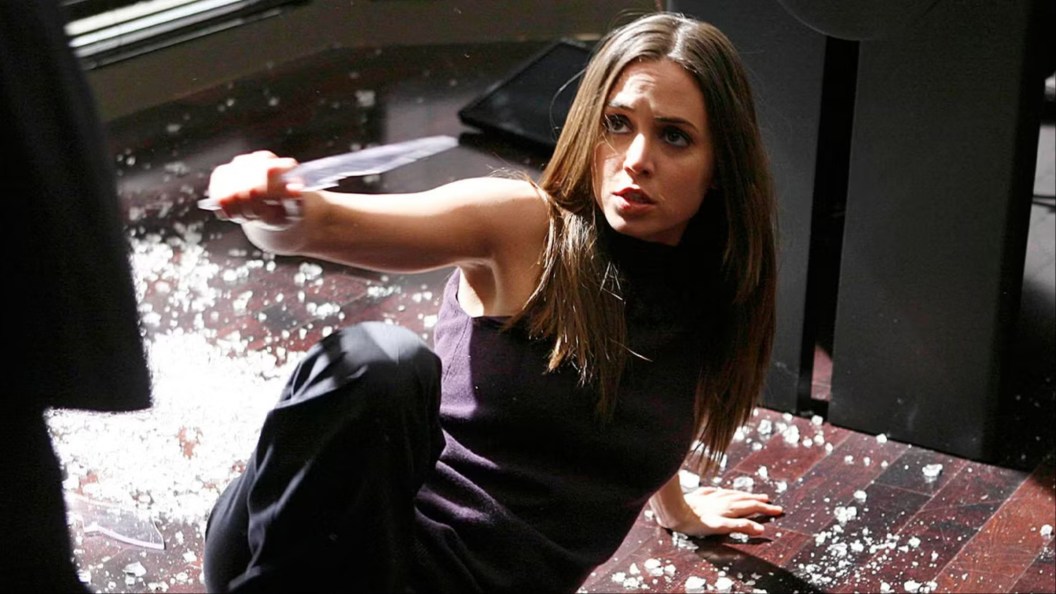
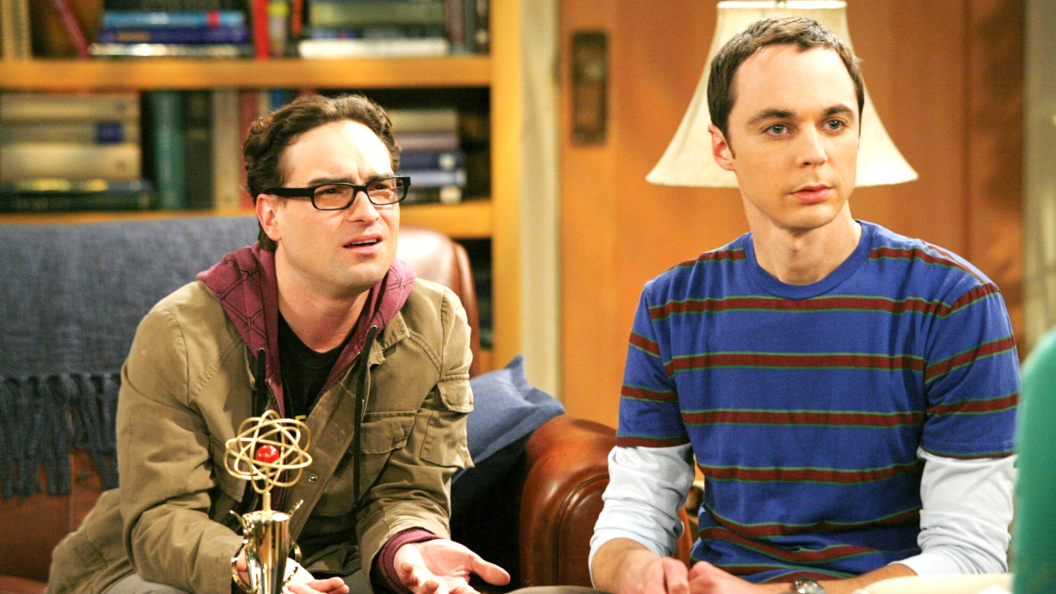
The original pilot of The Big Bang Theory featured notable character differences and narrative changes that shaped the series we know today.
Mighty Mouse: The New Adventures premiered 39 years ago, igniting a revolution in animation that paved the way for shows like Batman: The Animated Series.
September 19, 2026, marks 39 years since the debut of Mighty Mouse: The New Adventures, a groundbreaking animated series that significantly influenced the evolution of television animation. This show, which aired from 1987 to 1988, was pivotal in ushering in a new era of quality animation, particularly noted for its subversive style and themes.
The announcement about this milestone was reported by ComicBook.com, highlighting how Mighty Mouse: The New Adventures not only revived the classic character but also set the stage for future innovations in animated storytelling. Historian Jerry Beck emphasized the series alongside Garfield and Friends as catalysts for what he termed the "higher quality animation boom" that characterized the late 1980s and 1990s.
Prior to the arrival of Mighty Mouse: The New Adventures, television animation was largely uniform in style and narrative themes. The landscape primarily featured simplistic and formulaic cartoons. However, this series, overseen by director Ralph Bakshi, transformed the medium. Bakshi was already known for his innovative and occasionally controversial approach in animation, notably with his feature film Fritz the Cat, which remains extraordinary for being the first American animated film to receive an X rating from the MPAA.
In Mighty Mouse: The New Adventures, Bakshi collaborated with John Kricfalusi, a creative force who would later develop The Ren & Stimpy Show. Together, they sought to create a series that broke conventional molds and embraced a more expressive, artistically diverse format. This approach introduced what would later be recognized as the "Creator-Driven" revolution in animation, allowing animators previously constrained by traditional networks to explore their creativity more freely.
Mighty Mouse: The New Adventures was not without its controversies. The show faced scrutiny from various groups, including the American Family Association (AFA), which criticized specific scenes as inappropriate for children. For instance, a sequence where Mighty Mouse appeared to smell a flower was interpreted by the AFA as a promotion of drug use. Despite this, CBS stood by Bakshi, allowing the creative freedom that was essential for the show's innovative spirit.
The animated series also featured visual gags that went beyond the scripted content, a tactic designed by Kricfalusi to add layers of humor and complexity. This method contributed to the show's acclaim, showcasing how animation could deliver nuanced storytelling and humor that appealed to both children and adults.
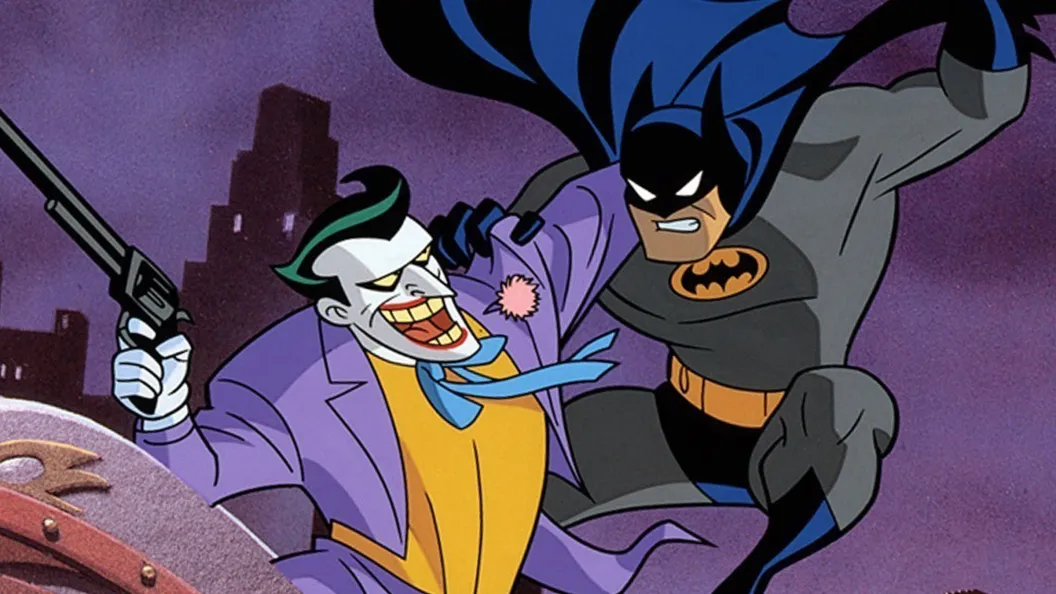
The influence of Mighty Mouse: The New Adventures extends far beyond its original airing. Not only did Bruce Timm, who worked on layouts for this show, go on to co-create the iconic Batman: The Animated Series in 1992, but he also established a design style that would shape superhero animation for years. Timm's contributions to character design for Batman have left an indelible mark on the genre, further illustrating the groundwork laid by Mighty Mouse.
Many notable animators, producers, and directors, such as Andrew Stanton (Finding Nemo, WALL-E) and Jim Reardon (Tiny Toon Adventures), trace elements of their work back to the innovative spirit fostered in the late 1980s, particularly through shows like Mighty Mouse: The New Adventures. This series is often cited as a predecessor to the zanier, more stylistically diverse animations that emerged in the following decade.
The legacy of Mighty Mouse: The New Adventures remains significant in the world of animated television. By reshaping audience expectations and introducing a broader range of narrative and artistic expression, this series attracted a new generation of viewers and creators alike. Its successful mixture of humor, creativity, and sometimes controversy has paved the way for contemporary animated series, demonstrating the importance of innovation in the arts.
As we celebrate 39 years since its debut, it’s clear that Mighty Mouse: The New Adventures not only transformed its character but also revolutionized animation as we know it, setting the stage for iconic series that followed. For more about pivotal moments in animation history, check out our pieces on Nickelodeon's Rocko's Modern Life and NBC's influence on Saturday morning cartoons.
Entertainment news
EpisodeBreakdown may use automated tools to assist research, drafting, and formatting. Published pages are governed by our editorial and corrections policies, and source links are shown when they are available in the article record.
Discovery source: ComicBook.com. The source identifies where the topic was discovered; EpisodeBreakdown is responsible for the commentary published on this page.
Reader response
Reactions and poll results are based on real reader responses. No account is required.