‘Paper Tiger’ and ‘Musk’ Documentary Featured at 2026 SFIFF
The 2026 Santa Fe International Film Festival showcases key titles including 'Paper Tiger' and 'Musk', marking an exciting lineup for this year.
Nick Offerman defends his role in HBO's The Last of Us after Ben Shapiro's critical comments, calling them a display of 'rampant homophobia.'
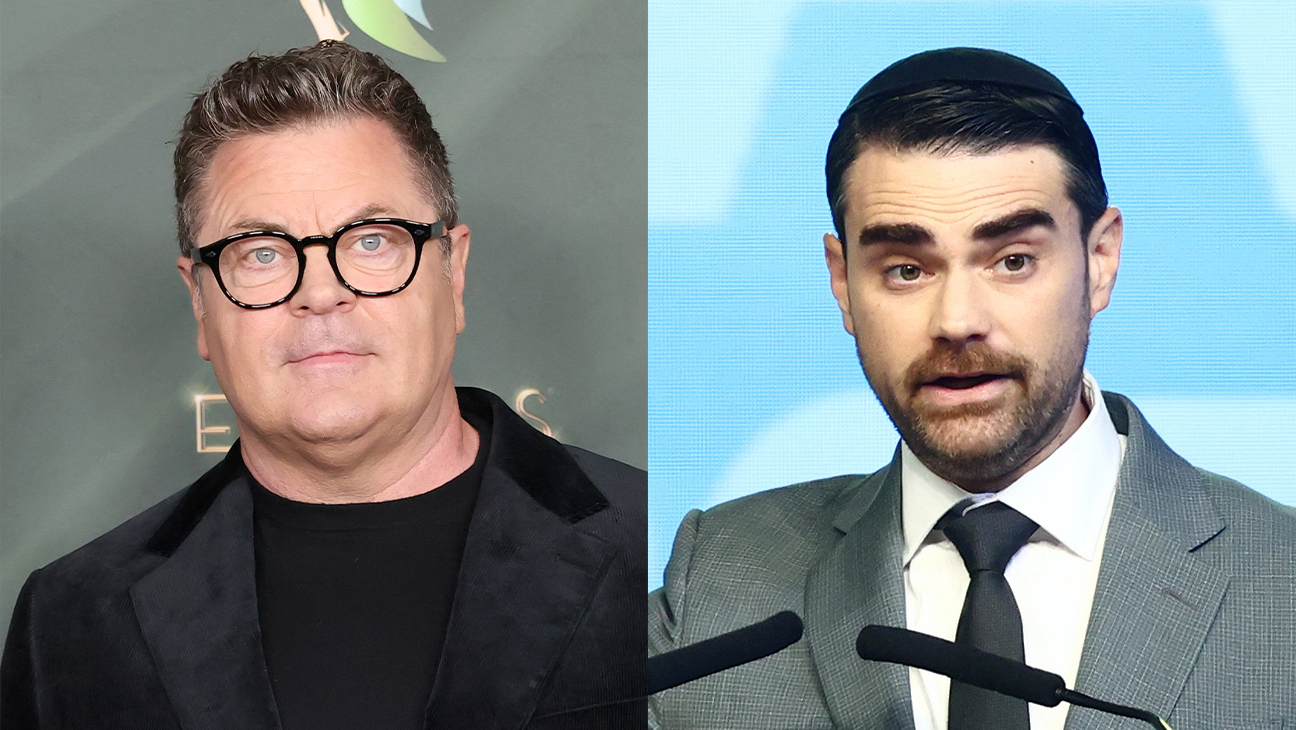
Nick Offerman has responded forcefully to Ben Shapiro's derogatory comments regarding his character, Bill, in HBO's acclaimed series The Last of Us. Offerman characterized Shapiro's remarks as an exemplar of 'rampant homophobia,' asserting that the criticism reflected a troubling misunderstanding of the show's nuanced narrative.
This exchange erupted during an episode of the podcast Talk Easy with Sam Fragoso, where Offerman was shown a clip from The Ben Shapiro Show. In it, Shapiro trivialized Offerman’s complex role by suggestively stating that Bill is simply 'Ron Swanson who likes to nail dudes,' brushing over the depth and emotional richness of the character's journey.
Shapiro’s remarks specifically targeted the third episode of The Last of Us, titled "Long, Long Time," which diverges from the overarching plot to delve into the poignant love story between Bill and Frank, played by Murray Bartlett. Shapiro criticized the episode for its focus on the lovers' relationship, arguing that it deviated from the genre's traditional horror tropes involving action, suspense, and zombies. He claimed that the absence of zombies rendered the episode unrealistic, further asserting that the narrative devolved into a melodrama between two men.
This critique not only dismisses the emotional weight and depth of representation that the episode brings to LGBTQ+ narratives but also exemplifies a broader conversation around societal acceptance and understanding of diverse relationship models. Shapiro’s oversimplification overlooks the significant character development and thematic richness presented in the series.
In response to Shapiro, Offerman expressed disbelief at the breadth of misconceptions in Shapiro’s summary, stating, "I think he got eight things wrong in his recap, besides his rampant homophobia." Offerman’s critique underscored the importance of accurately portraying LGBTQ+ themes in media, emphasizing how misinterpretations can influence public perception. He expressed concern about the power that such misrepresentations hold in shaping viewers’ perspectives and potentially reinforcing negative stereotypes.
Offerman’s portrayal of Bill has not only received critical acclaim but also won him an Emmy for Best Guest Actor in a Drama Series. His character offers a unique perspective on love and vulnerability, highlighting the emotional layers present within the apocalypse-themed storyline. This emotional depth is central to The Last of Us, resonating significantly with audiences and encouraging necessary conversations around representation in popular media.
The ongoing discourse between Offerman and Shapiro highlights a larger issue concerning representation in television, especially in the context of LGBTQ+ relationships. Offerman's defense goes beyond merely vindicating his role; it asserts the importance of diverse storytelling in mainstream narratives, advocating for a more inclusive understanding of love and human connection in a world often dominated by traditional frameworks. In his heartfelt plea, Offerman champions the significance of authentic storytelling, encouraging viewers to embrace the complexities of love and relationships in all their forms.
The dialogues surrounding Offerman and Shapiro reflect the broader societal struggles regarding acceptance and understanding of LGBTQ+ narratives in mainstream media. Offerman’s passionate response not only defends his character but also serves as a call for more nuanced storytelling that encompasses diverse experiences and fosters empathy among audiences. It underscores the critical need for representation that reflects the realities of love and connection in its many forms, pushing back against the waves of homophobia that still resonate in contemporary discussions around identity.
Entertainment news
EpisodeBreakdown may use automated tools to assist research, drafting, and formatting. Published pages are governed by our editorial and corrections policies, and source links are shown when they are available in the article record.
Discovery source: The Hollywood Reporter. The source identifies where the topic was discovered; EpisodeBreakdown is responsible for the commentary published on this page.
Reader response
Reactions and poll results are based on real reader responses. No account is required.