
First Trailer for Mike Flanagan’s Carrie Series Released by Prime Video
The first trailer for Mike Flanagan's new series adaptation of *Carrie* showcases a modern retelling of the iconic story, debuting on October 7.
Leonard Nimoy shared his belief that Spock resonated with teenagers due to his unique blend of dignity and outcast identity.
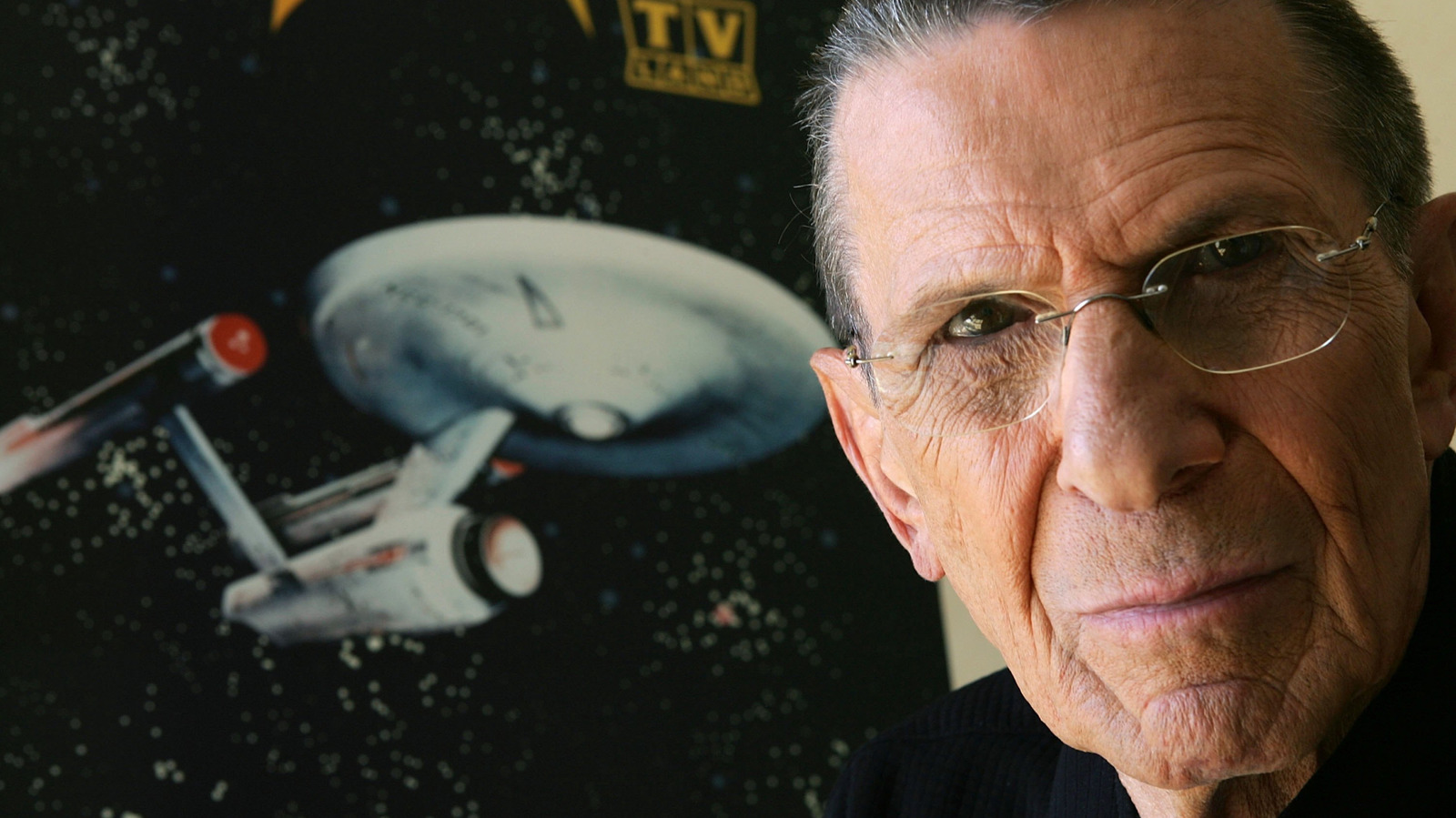
In a retrospective piece published by TVLine, Leonard Nimoy's insights into his character Spock reveal why he resonated so profoundly with young audiences during the original run of "Star Trek." Nimoy articulated his views on Spock's appeal during a 1968 interview with The New York Times just before the premiere of the show's third season, emphasizing how the character’s struggles mirrored those of many teenagers.
Nimoy posited that Spock’s mixed heritage—being half-Vulcan and half-human—created a relatable narrative for adolescents grappling with their own identities. He stated, "He relates to his role very specifically, and this gives him a kind of cool." This aspect of the character appealed especially to those who felt like outcasts during their formative years. Nimoy captured Spock’s balance between dignity and alienation, saying that his character’s unique perspective allowed him to resist bullying.
Spock’s legacy as a relatable figure has persisted long after Star Trek: The Original Series concluded its run. Insights from Nimoy about the character highlight how he exemplified a confident yet misunderstood individual, appealing to fans who often felt marginalized. The character's pride and self-assuredness were qualities not easily found in typical television portrayals at the time.
In the same interview, Nimoy touched upon an unexpected aspect of Spock’s draw, noting that his character seemed to attract significant attention, especially from female fans. Nimoy remarked, "There must be something very sexual about it," demonstrating an awareness of Spock's attractiveness beyond intellect. He referenced the volume of fan mail he received, indicating that Spock’s appeal was multi-faceted, transcending his role as an iconic science fiction character.
Nimoy also shared an anecdote from science fiction author Isaac Asimov, who noted that young people often found Spock appealing specifically for his intelligence. Asimov described Spock as a "security blanket with sexual overtones," which further solidified why many viewers felt a connection to him.
The cultural significance of Spock extends beyond mere entertainment; he served as a role model and a source of comfort for many teenagers navigating their own challenges. Nimoy’s reflections illustrate that Spock was not just a character on television but rather a figure who provided representation in a landscape often overlooking the complexities of adolescent life. Even after Nimoy's passing in 2015, his portrayal of Spock continues to resonate, with numerous tributes underscoring the profound impact the character had on viewers during their youth.
Nimoy's insights into Spock’s appeal remind us of the power of representation in media. As young audiences seek characters who reflect their own experiences and struggles, Spock stands as a testament to the enduring connection between viewers and the characters they admire. This connection is crucial for fostering a sense of identity and belonging, especially during formative years. Ongoing discussions around Spock’s character underscore the significance of empathy and understanding in storytelling, a legacy that will continue to influence generations of fans.
For further insights on the impact of Star Trek characters, check out our articles on Star Trek: Strange New Worlds and the latest developments in SNL's upcoming season.
Entertainment news
EpisodeBreakdown may use automated tools to assist research, drafting, and formatting. Published pages are governed by our editorial and corrections policies, and source links are shown when they are available in the article record.
Discovery source: TVLine. The source identifies where the topic was discovered; EpisodeBreakdown is responsible for the commentary published on this page.
Reader response
Reactions and poll results are based on real reader responses. No account is required.