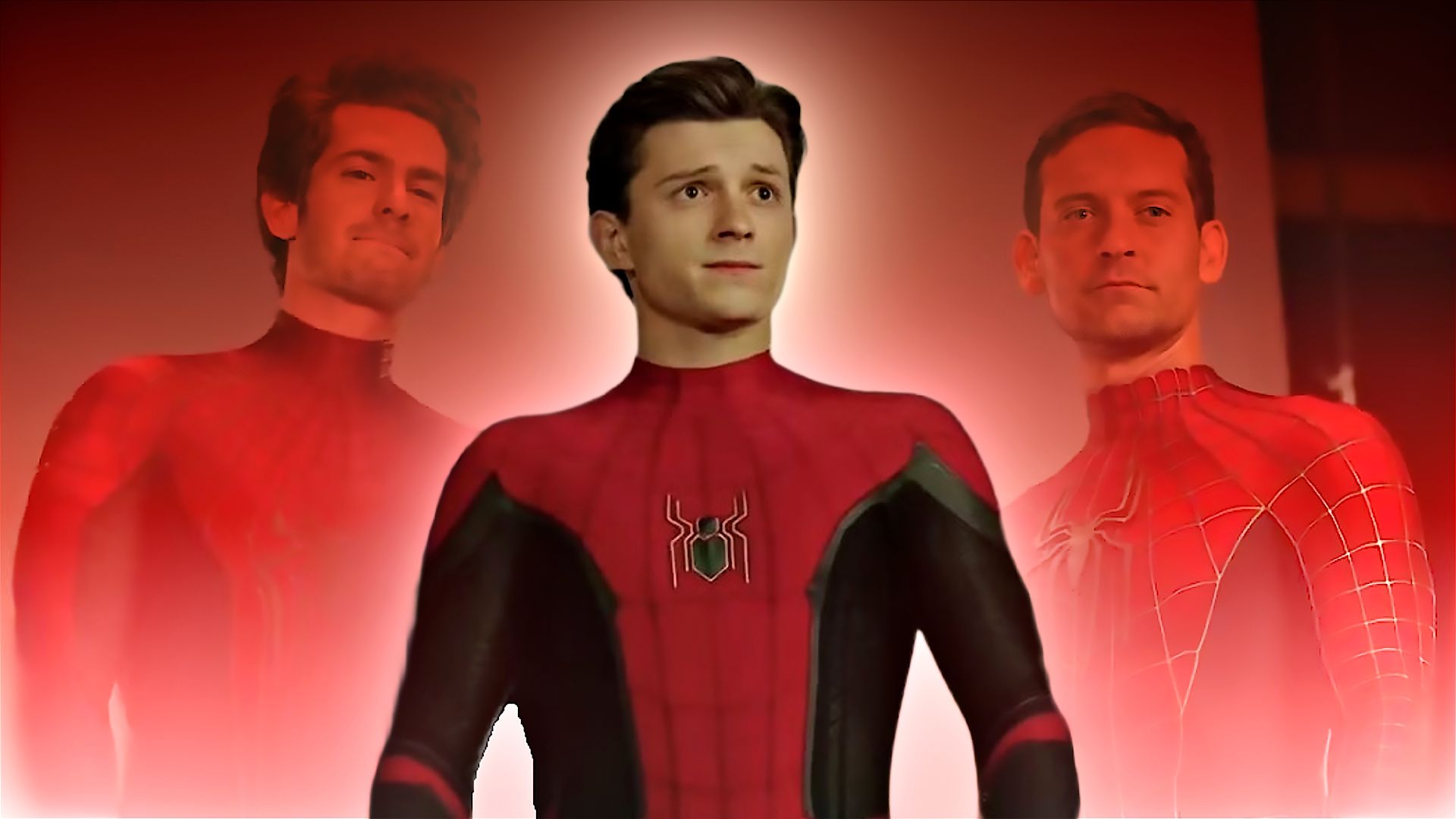
Spider-Man: Brand New Day Elevates Tom Holland as Peter Parker
Tom Holland’s performance in Spider-Man: Brand New Day redefines Peter Parker, showcasing a matured superhero fighting on the gritty streets of New York.
In a recent interview, Nolan critiques amateur film criticism and its inherent flaws.

In simple terms, Christopher Nolan argues that a fundamental flaw exists in the way amateur critics approach film analysis. During his press tour for The Odyssey, he spoke with podcaster Zhong Shu, addressing how the identification of storytelling mechanisms by amateur critics does not necessarily invalidate those mechanisms. This assertion invites a deeper exploration of Nolan's philosophies on storytelling and critiques of modern cinema.
Nolan believes that the frequent criticism aimed at films—specifically, that they manipulate characters to make them sympathetic—reflects a misunderstanding of narrative complexity. According to him, identifying the mechanisms of storytelling can provide insight but should not be confused with debunking the art of filmmaking. In his view, filmmakers build upon established narrative conventions. This perspective is particularly relevant as the film industry evolves, requiring a reconsideration of the conventions and tropes that audiences have come to expect.
Nolan's assertion coincides with ongoing debates in film criticism regarding the effectiveness of narrative devices. He suggests that while many amateur critics believe they have isolated a film's mechanics, they often overlook the nuances of storytelling. For instance, using familiar tropes can serve as a foundation upon which deeper character development or thematic exploration can occur. This perspective challenges the simplistic reductions often applied in amateur critiques.
Moreover, Nolan's comments come at a time when The Odyssey has achieved significant commercial success, grossing nearly $1 billion worldwide within weeks of its release. Its high Rotten Tomatoes score of 94% indicates strong approval among audiences and critics alike, although opinions remain divided, particularly among more traditional critics. For example, Emily Wilson, a noted translator and critic, provided a poignant review citing a lack of psychological and ethical depth—an observation that only emphasizes Nolan’s point about misinterpretations of narrative intent.
Nolan touches on the evolution of film grammar and how it influences audience perception. As cinematic language becomes more familiar, filmmakers are tasked with either reinventing it or leveraging it to evoke fresh emotional responses. He notes that audiences are already equipped with previous experiences and knowledge from many films—this shared understanding becomes instrumental in both the creation and reception of new narratives.
This notion is pivotal when examining The Odyssey. Nolan’s adaptation aims to interweave traditional storytelling with contemporary themes, reflecting the dual nature of keeping familiar elements while exploring new depths. The film's approach illustrates how filmmakers can draw upon established conventions while simultaneously challenging them to evoke a meaningful impact.
In response to Wilson's critique, several notable figures, including author Joyce Carol Oates, defended Nolan, suggesting that the harshness of the critique leaned too heavily on a narrow understanding of Nolan’s artistic ambitions. Oates' remark regarding the language of politics in art criticism brings forth another layer to this discourse—how ideological biases can shape perceptions of a filmmaker's work.
The interplay of literature and cinema in Nolan’s works, particularly in The Odyssey, showcases an intricate dance where storytelling transcends simple plotting and becomes a wider commentary on human experience. This is an aspect that Wilson’s critique failed to fully appreciate, as her perspective may be rooted in more conventional expectations of storytelling, rather than an understanding of Nolan’s broader narrative ambitions.
Christopher Nolan’s perspective on amateur film criticism sheds light not only on his approach to filmmaking but also on the evolving nature of film scholarship. His assertion that identifying a storytelling mechanism does not necessarily invalidate its use indicates a deeper appreciation for the artistry involved in film—not merely as a product but as a form of complex cultural expression. Nolan's critique serves as an invitation for critics to re-evaluate their frameworks and recognize the skill required to craft engaging narratives.
As The Odyssey continues to resonate with audiences and fuel discussions, Nolan's emphasis on understanding the mechanisms of storytelling becomes increasingly relevant in an age where film criticism often falls into polarized extremes. With the challenges of contemporary narrative expectations, filmmakers and critics alike must engage with these complexities to foster a richer dialogue around both the art and the critique of cinema.
Nolan's critique of amateur film criticism not only encourages a rethink of traditional analysis but also underscores the importance of understanding narrative mechanisms. As his films challenge audiences, this conversation is vital for fostering deeper appreciation, negotiation of narratives, and refining the craft of both filmmakers and critics alike. This dynamic interplay between art and criticism continues to shape the landscape of modern cinema.
Movie explanation
EpisodeBreakdown may use automated tools to assist research, drafting, and formatting. Published pages are governed by our editorial and corrections policies, and source links are shown when they are available in the article record.
Discovery source: Variety. The source identifies where the topic was discovered; EpisodeBreakdown is responsible for the commentary published on this page.
Reader response
Reactions and poll results are based on real reader responses. No account is required.