The X Files
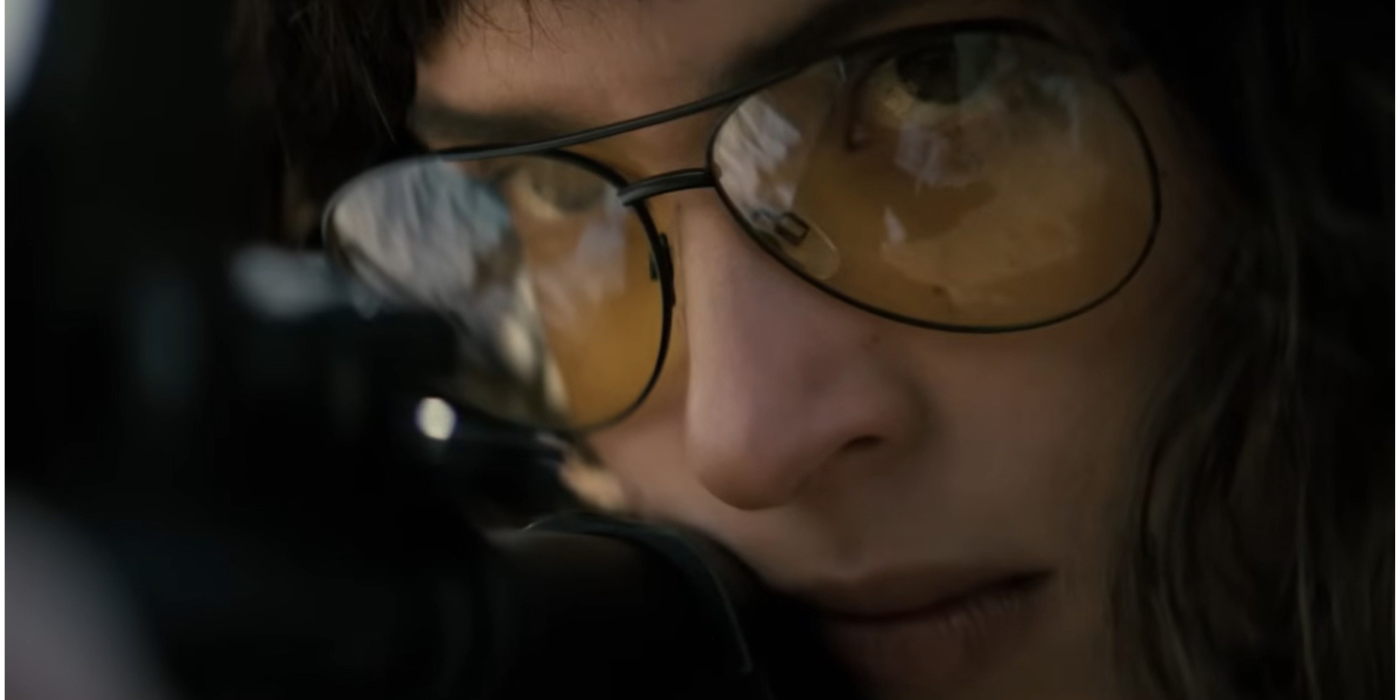
A24's Onslaught: A Sci-Fi Thriller with a Mother's Fury
Explore A24's Onslaught, a sci-fi thriller that intricately weaves themes of motherhood and survival through a gripping narrative.
The Odyssey not only dominates box office records but redefines the potential of R-rated historical adaptations.
In simple terms, The Odyssey, directed by Christopher Nolan, has shattered box office expectations and set new benchmarks for R-rated historical adaptations. The film has achieved unmatched box office dominance in 2026, rapidly amassing over $639 million globally within its first ten days of release. The question that emerges is: what are the elements driving this unprecedented success?
The film’s opening weekend saw an impressive debut with approximately $123.5 million in box office receipts. Following this, The Odyssey sustained remarkable momentum, pulling in around $87 million during its second weekend, a drop of only 30%. Traditionally, movies with such high openings tend to see a sharp decline in audience turnout, often losing more than half of their viewers. However, Nolan’s directorial acumen in translating complex narratives into compelling cinematic experiences appears to counteract this trend.
The film set the record for the second-largest second-weekend revenue for an R-rated picture, coming in just behind Deadpool & Wolverine, which grossed over $96 million after an equally staggering initial weekend. This accomplishment significantly elevates The Odyssey within the landscape of 2026 cinema.
What makes The Odyssey stand out is not just its box office prowess but also Nolan’s unique storytelling approach. The film brings a historical text to life with cinematic flair, attracting a demographic that often shies away from R-rated content. By fusing art with mass appeal, Nolan has successfully crafted an engaging experience that resonates with viewers.
Additionally, the commitment to filming the entire movie using IMAX technology enhances its visual impact. This choice not only showcases Nolan’s dedication to the craft but amplifies audience immersion, contributing to its financial success. IMAX screenings alone have generated an astounding $140 million worldwide, signaling a growing trend towards blockbuster films making optimal use of advanced technology.
This success prompts exploration into the film’s audience demographics. Despite the R rating, which typically serves as a barrier for younger viewers, The Odyssey has drawn a diverse crowd, including older teens and adults seeking robust storytelling. The positive word-of-mouth generated from the film's rich narrative and profound themes has fostered a sense of community among viewers, many of whom are returning for multiple screenings.
Furthermore, the film’s intricate character arcs and thought-provoking themes engage audiences on a deeper level, beyond the surface-level spectacle often associated with blockbuster films. Nolan's reputation as a master storyteller undoubtedly amplifies interest, as viewers enter theaters not just for entertainment but for an experience that prompts reflection.
As The Odyssey moves forward in its theatrical run, a major challenge awaits in the form of Spider-Man: Brand New Day, a highly anticipated film expected to draw substantial audiences upon its release. This showdown can serve as a litmus test for The Odyssey, measuring its longevity and enduring appeal in a competitive market.
However, the film's early success has provided a strategic advantage, giving it the momentum needed to withstand competition. The ongoing dialogue about the film in social media and critical reviews continues to stimulate interest, further bolstering its standing amidst rival blockbusters, including upcoming entries in the superhero genre.
The financial implications of The Odyssey's success extend beyond mere numbers. The film’s unprecedented dominance in the R-rated historical adaptation genre paves the way for future projects, suggesting a shift in how studios approach dense material. The film's ability to draw audiences and make significant box office returns could encourage more adaptations of challenging works, seeking to replicate this unique blend of commercial viability and artistic integrity.
Additionally, as cinematic experiences evolve with audience preferences, The Odyssey stands as a testament to Nolan's foresight in merging technology and storytelling. The film's sustained box office performance will likely encourage other filmmakers to explore the potential of similarly ambitious projects.
Overall, The Odyssey signifies a transformative moment for the film industry, illustrating that with the right blend of storytelling, technology, and directorial expertise, historical adaptations can thrive commercially and artistically. As audiences eagerly await the next major release, the impact of The Odyssey will undoubtedly linger, influencing both filmmakers and viewers alike for years to come. Its early successes not only redefine benchmarks for future R-rated films but also highlight a growing appetite for complex narratives in mainstream cinema.
For those interested in further exploring the box office landscape and cinematic trends this summer, check out our analysis on Box Office Milestones: Analyzing the Summer Surge and Analyzing the Record-Breaking Impact of 'The Odyssey'.
Movie explanation
EpisodeBreakdown may use automated tools to assist research, drafting, and formatting. Published pages are governed by our editorial and corrections policies, and source links are shown when they are available in the article record.
Discovery source: ComingSoon. The source identifies where the topic was discovered; EpisodeBreakdown is responsible for the commentary published on this page.
Reader response
Reactions and poll results are based on real reader responses. No account is required.
An analysis of The X-Files: I Want to Believe's R-rated cut, examining its darker themes and character dynamics before Ryan Coogler's reboot.