Exploring the Box Office Phenomenon of The Odyssey
The Odyssey not only dominates box office records but redefines the potential of R-rated historical adaptations.
An analysis of The X-Files: I Want to Believe's R-rated cut, examining its darker themes and character dynamics before Ryan Coogler's reboot.
The return of The X-Files: I Want to Believe in its original R-rated version prompts a deeper examination of its narrative and thematic elements. What is the central question this movie grapples with? At its heart, it asks: What challenges arise when confronting the monstrous developments in both humanity and science? This inquiry resonates throughout Chris Carter's crafted narrative, distinguishing the film from its predecessor and aligning it with modern cinematic discourse.
In simple terms, The X-Files: I Want to Believe offers a misleading facade of familiar supernatural tropes but dives into chilling explorations of ethical boundaries in medical experimentation and the human psyche. By refocusing the story away from extraterrestrial mythology, the film presents a standalone narrative that critiques humanity's relationship with science and the monstrous consequences that emerge from unchecked ambition.
What sets The X-Files: I Want to Believe apart from the original series is its choice to eschew the overwhelming alien conspiracy narrative that had captured audiences in its nine-season run. Instead, the film strives to explore more intimate horrors related to missing women, a psychic priest, and secretive medical trials reminiscent of Mary Shelley's Frankenstein. In this context, the film questions the moral implications of medical advancements and the blurred line between humanity and monstrosity.
Chris Carter’s decision to pivot toward a psychological horror narrative pairs well with a philosophical inquiry into the ethics of human experimentation—a theme bolstered by the director's cut. As confirmed, the restoration of previously excised horror elements aims to sharpen the film's chilling tone. Characters and events from the series become conduits for examining the depths of moral decay that arise when ethics are compromised.
The character of the psychic priest, portrayed by Billy Connolly, acts as a conduit for exploring ethical dilemmas surrounding psychic phenomena and medical practices. His interactions with Mulder and Scully expose the fragility of human intellect when faced with the overwhelming complexities of scientific exploration. By restoring the darker elements in the R-rated cut, Carter strengthens the thematic resonance of the film—drawing parallels between characters' actions and the horrifying medical practices depicted.
The film's new subtitle, Vrach Frankenshteyn, meaning 'doctor' in Russian, aptly signals a return to the psychological horror roots, grounding its narrative in themes of medical morbidness and scientific ethics. In light of the upcoming reboot by Ryan Coogler, this restoration serves as a timely reminder of the unsettling questions that permeate the series, beckoning a new generation to confront these societal issues anew.
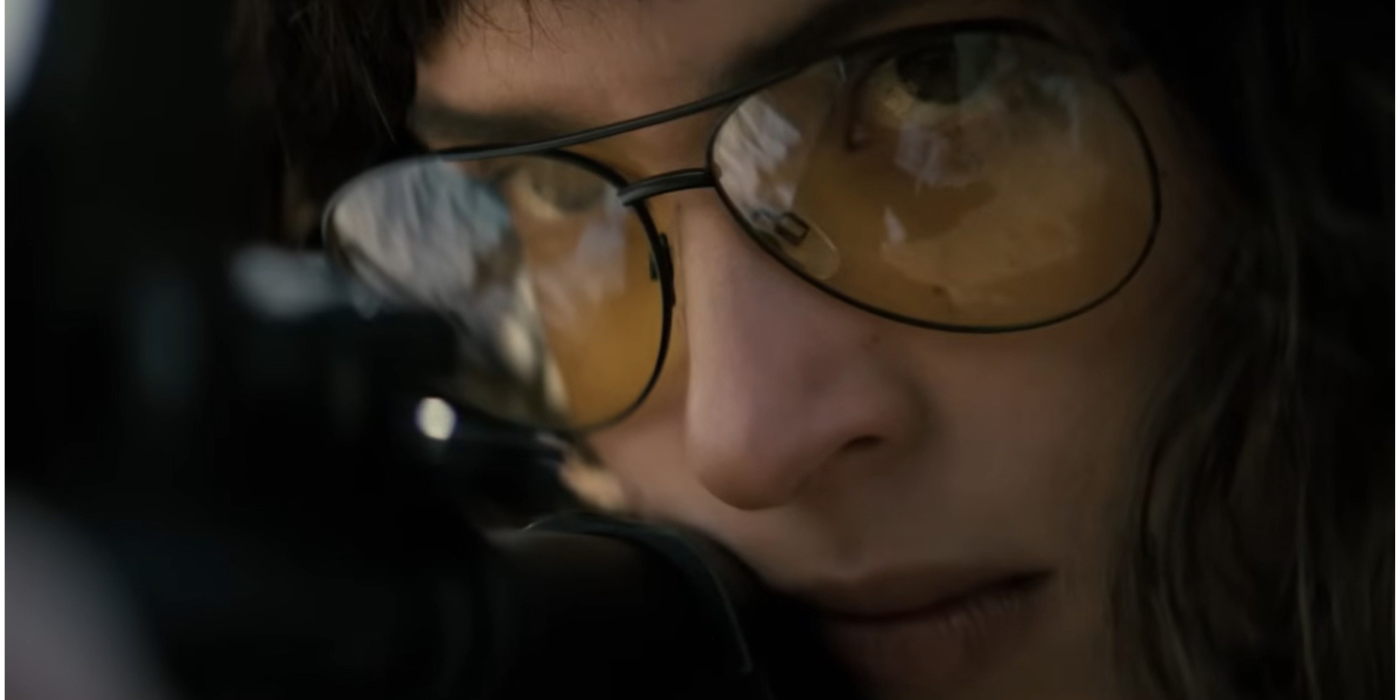
The darker visual palette in the R-rated cut complements the restored sequences emphasizing tension and fear. For instance, clips from the new trailer showcase a faster-paced editing style that heightens suspense—especially notable in a scene featuring a two-headed dog lunging at Mulder, absent from the original. This increased intensity ultimately serves to reinforce the film's core message regarding the monstrous nature of humanity when it forsakes its ethical obligations.
Despite having generated divisive opinions upon release in 2008, this director's cut aims to align more closely with Carter's vision and what he categorizes as a more "authentic horror experience." The R-rated version effectively differentiates itself, presenting potent narratives that highlight how knowledge can lead to various forms of monstrosity, rather than merely relying on familiar alien tropes.
The film's path to financial underperformance at the box office raises questions about audience expectations shaped by the pioneering series that preceded it. The $68 million earned worldwide, especially compared to the $190 million from the original film, reflects a disconnect between the expectations of long-time fans and the film’s more introspective approach. Nonetheless, with Coogler's impending reboot, there's hope for a renewed exploration of these themes.
As the new cut arrives on streaming services like Disney+ and Hulu, the cinematic landscape is primed for a fresh interpretation of The X-Files universe. The series' loyal fanbase may find this upgraded narrative intriguing, potentially invigorating interest in the franchise and welcoming a new audience keen on modern takes on classic themes.
The release of the R-rated cut of The X-Files: I Want to Believe is not simply a nostalgic revival but rather a reclamation of its potential for deeper engagement with complex themes. It provokes reflection on how narratives of science intersect with ethics and monstrosity. As Ryan Coogler gears up for a reimagining, this director's cut invites both seasoned viewers and newcomers to reconsider what The X-Files represents in contemporary society—a lens through which we can address the darker aspects of our humanity. The restoration ultimately challenges viewers to confront the harsh truths lurking beneath the surface of scientific progress, raising vital ethical questions about the human condition.
Movie explanation
EpisodeBreakdown may use automated tools to assist research, drafting, and formatting. Published pages are governed by our editorial and corrections policies, and source links are shown when they are available in the article record.
Discovery source: ComingSoon. The source identifies where the topic was discovered; EpisodeBreakdown is responsible for the commentary published on this page.
Reader response
Reactions and poll results are based on real reader responses. No account is required.