
Rediscovering 2000s Psychological Thrillers: Hidden Gems
Explore overlooked psychological thrillers from the 2000s, analyzing their themes and character choices.
An exploration of Stephen King's 'Pet Sematary', focusing on its themes, characters, and haunting legacy.
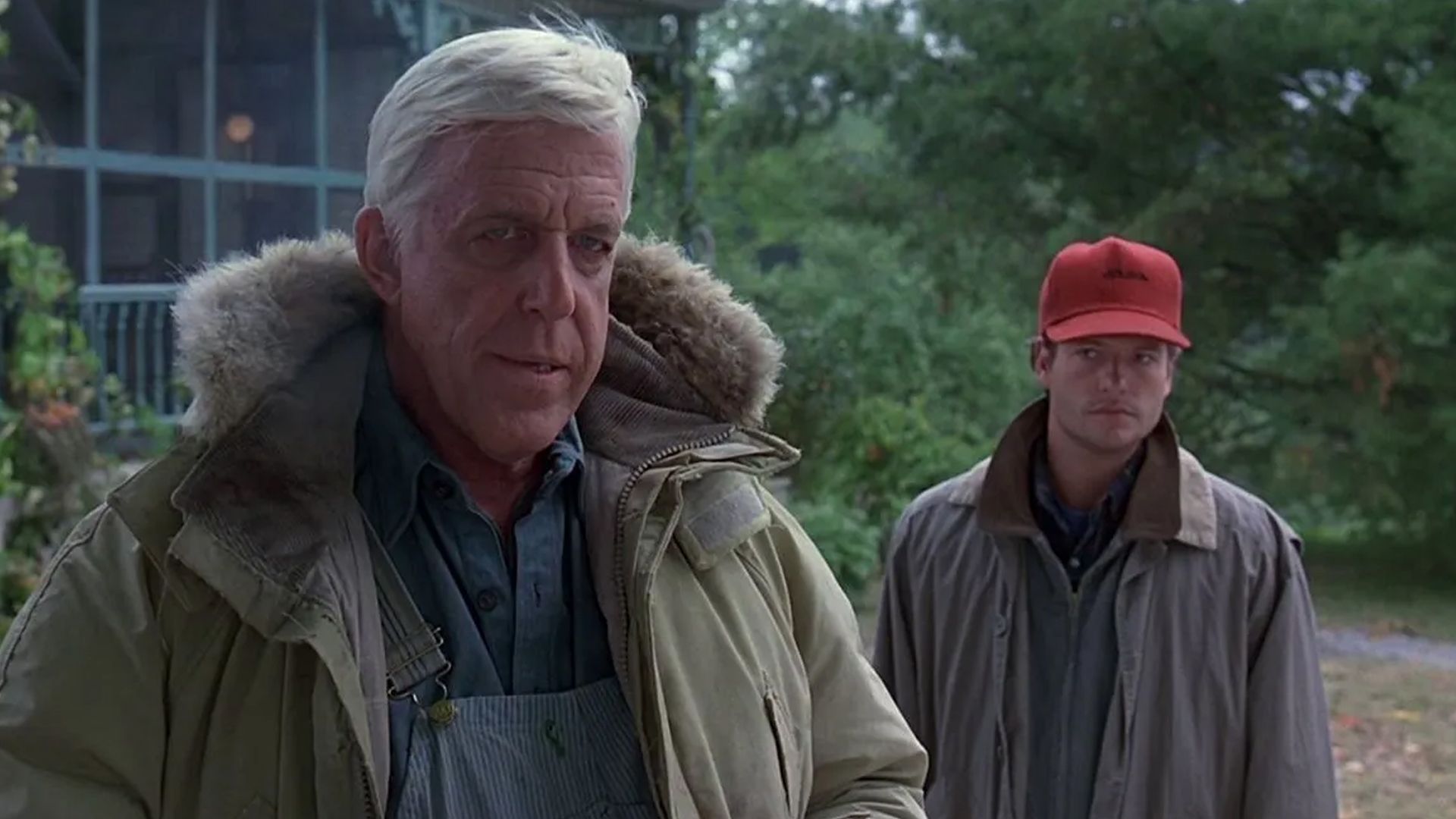
In simple terms, Pet Sematary poses a haunting question: What happens when our desire to cling to loved ones leads us down a dark path? The narrative follows the Creed family as they confront the unimaginable consequences of tampering with life and death. At its core, the film explores themes of grief, loss, and the perils of resurrection, revealing how the misguided desire to reverse death tragically morphs into horror.
Here is what is confirmed: Pet Sematary, adapted from Stephen King's 1983 novel and directed by Mary Lambert, ingeniously illustrates the struggle of coming to terms with mortality and the toll it takes on the human psyche. The movie repeatedly shows that the desire to undo loss results in uncontrollable chaos, a message that resonates deeply with audiences. This analysis will delve into pivotal moments, character decisions, and the thematic ramifications that tighten the film's grip on the horror genre.
The film begins with the Creed family's relocation to a seemingly idyllic country home. Louis and Rachel Creed, alongside their children, gauge their newfound tranquility, unaware of the dark secrets buried nearby. A vital plot point occurs when their neighbor, Jud Crandall, introduces them to the local pet cemetery—a seemingly innocent place where cherished animals lie, built on an ancient burial ground. This revelation marks a turning point, foreshadowing the impending tragedy.
Jud Crandall, played masterfully by Fred Gwynne, becomes a crucial figure in the story, balancing a role that is both community sage and harbinger of doom. His knowledge of the cemetery's darker secrets drives the plot, complicating his relationship with the Creeds. As Louis grapples with the loss of his pet cat, Church, a pivotal decision is made: he buries Church in the soil of the ancient burial ground, ultimately setting off a chain reaction of catastrophic events.
Grief is a central theme throughout Pet Sematary, exploring how it fractures relationships and alters rational thought. Louis's decision to resurrect Church highlights how grief can cloud judgment, leading individuals to make choices they would normally shun. Rachel's concerns over death and loss—rooted in her traumatic childhood experience with her bedridden sister, Zelda—add another layer of emotional depth.
Rachel embodies the struggle against accepting mortality, fearing that confronting death may unleash more trauma. The film portrays her internal conflict vividly, reinforcing the idea that nightmares can stem not just from external horror, but from deep-seated personal fears. Unlike Louis, who impulsively seeks to bring back lost life, Rachel’s battle symbolizes the acknowledgment of mortality as a means of healing.
Foreshadowing plays a significant role in the narrative, skillfully enhancing the film’s tension. Early sketches hint at the horror that awaits—the disquieting landscape surrounding the cemetery and Jud's ominous warnings serve as red flags that go unnoticed until it's too late. The spirits residing in the cemetery become allegorical representations of repressed grief—a tangible manifestation of Louis's anguish.
The unsettling transformation of Church into a sinister creature following his interment serves as a cautionary emblem, reminding viewers that not all that is dead should be disturbed. This emblematic change signifies that what comes back from the grave is rarely the same, suggesting that the resurrection process is far from a simple fix for pain. Through craftily woven clues, the narrative culminates into a stark contrast between the desire for comfort and the inevitable consequences of defying the natural order.
The climax is marked by an irreversible choice made by Louis, encapsulating the film's overarching question: What would you do for love? Following the tragic death of his son, Gage, Louis succumbs to grief-fueled madness and decides to bury him in the same cursed ground despite having seen the horrific outcomes from Church.
This decision starkly contrasts the earlier explorations of grief; here, it morphs from a desire for connection into an act of severe desperation. As Gage returns, not as the innocent child lost but as a sinister force, the chilling implications of resurrecting the dead drive the narrative into its darkest depths. It serves as a culmination of all foreshadowed warnings, highlighting that some boundaries must never be crossed.
The film concludes on a deeply unsettling note, cementing its place in the horror canon. Louis's path towards madness concludes with tragic consequences, inflicting violence upon his family in an attempt to reclaim the life he once knew. The stark darkness of the resurrected Gage who attacks in a fit of rage crystallizes the film's warnings about tampering with life and death.
The ending serves as a powerful indictment of the consequences of grief-driven decisions. Here, the narrative emphasizes a resonant truth: while love drives the Creeds to literal extremes, it ultimately leads to their undoing. The profound irony is that the attempts to protect loved ones transform into the seeds of horror. The haunting final scene—with Louis confronting the aftermath of his actions—redefines what it means to cope with loss.
Pet Sematary remains an emblematic work within Stephen King's adaptations, showcasing not only his storytelling prowess but also the psychological complexities of human emotion. With the film's recent announcement for a 4K Ultra HD Blu-ray SteelBook release slated for October, audiences are invited to revisit this chilling tale. Its blend of supernatural horror and tragic human emotion ensures that it resonates decades later.
Amid discussions on recent adaptations, including the 2019 version and its prequel Pet Sematary: Bloodlines, the original film's stark portrayal of grief holds a unique place. It reminds modern audiences of the haunting imagery and themes that define horror alongside the human experience of loss.
Ultimately, Pet Sematary resonates deeply with anyone who has faced the pain of loss or grappled with the grief of losing loved ones. In a world where death is often treated lightly, the film forces us to confront the complexities of sentiment. As we await the release of its new edition, the conversation surrounding grief, loss, and the dangers of wishing for the impossible remains as relevant as ever. Revisiting this masterpiece offers not just a journey into horror but also an exploration of what it means to love—and what that love may cost us.
Movie explanation
EpisodeBreakdown may use automated tools to assist research, drafting, and formatting. Published pages are governed by our editorial and corrections policies, and source links are shown when they are available in the article record.
Discovery source: MovieWeb. The source identifies where the topic was discovered; EpisodeBreakdown is responsible for the commentary published on this page.
Reader response
Reactions and poll results are based on real reader responses. No account is required.