Rediscovering 2000s Psychological Thrillers: Hidden Gems
Explore overlooked psychological thrillers from the 2000s, analyzing their themes and character choices.
Discover the fascinating 30-year journey behind the making of Ray Gunn, starring Scarlett Johansson, and what makes this Netflix film unique.
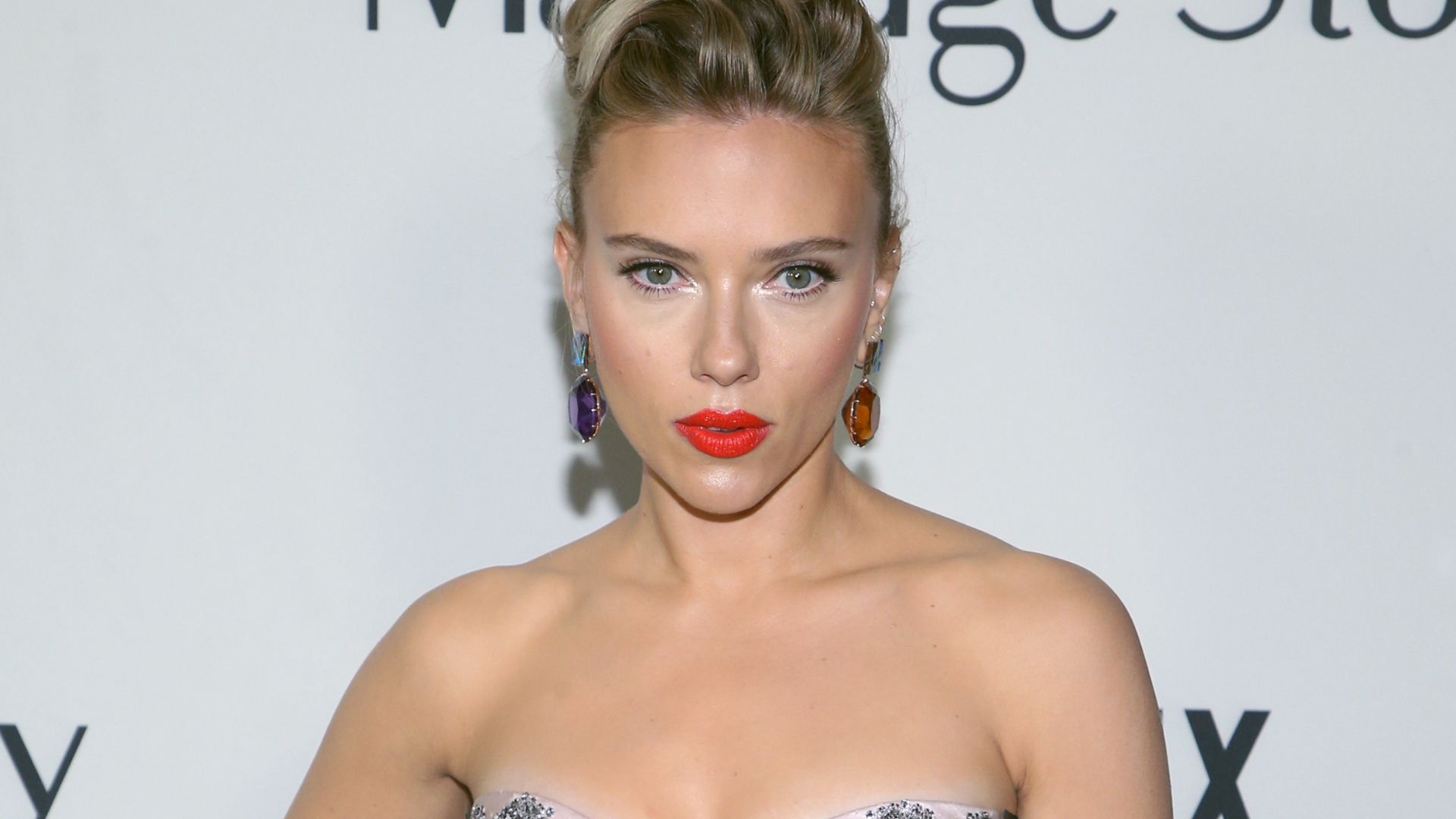
In simple terms, the central question surrounding Ray Gunn’s long journey is: Why did it take 30 years to produce a film that features Scarlett Johansson and promising sci-fi elements? The answer lies in both the ambitious vision of director Brad Bird and the complexities of animated filmmaking. Although the film’s narrative, character arcs, and structure have remained consistent throughout its extensive development, the path to realization has been strewn with challenges related to storytelling, budget, and a generational shift in animation technology.
What happened is that Bird conceived Ray Gunn in the late 1990s, inspired by a vision of a neo-noir world that would blend sci-fi and mystery. From the get-go, he positioned the story in a version of Metropia, a colossal city imagined through a 1939 lens. However, Bird’s ambition to portray a deeply emotional narrative with authentic characters led to prolonged adjustments.
Bird explained that despite retaining the same characters and structure, the method of delivering information evolved significantly. This highlights a crucial turning point in filmmaking: the need for flexibility and the willingness to adapt over time to achieve a nuanced story that resonates emotionally with the audience. Bird's commitment to making a movie that audiences could not only watch but feel represents the essence of Ray Gunn's protracted journey.
Another significant hurdle was securing a $150 million budget, a feat that was no small task. For over two decades, various traditional studios were reluctant to greenlight a project that they deemed overly ambitious. It wasn't until Netflix stepped up that Bird’s dream finally began to materialize. This led to a partnership that highlights Netflix's role in nurturing unconventional stories and allowing filmmakers creative freedom—a development impacting the future of animated films.
The titular character, Ray Gunn, is voiced by Sam Rockwell and is portrayed as the last human private detective in a universe populated by aliens. This intriguing setup offers fertile ground for exploring themes of identity and belonging in a world where human existence is dwindling. In addition to Rockwell, Scarlett Johansson lends her voice to Venus Nova, a pop star fraught with career-threatening scandals, an embodiment of themes such as fame, public perception, and vulnerability.
The interplay between these characters offers insightful parallels. Ray Gunn's struggle to connect within a foreign environment echoes Venus’s own battle against external judgment. Such dual narratives permit filmmakers to delve into emotional depths that may resonate with viewers, especially in today's celebrity-obsessed culture.
While specific plot points remain undisclosed, Bird assures that the final scenes remain in touch with the original conception. Therefore, we can anticipate that these conclusions will aptly reflect earlier character developments, emphasizing themes of redemption and resilience. This cohesion between character evolution and narrative resolution is crucial in providing a satisfying conclusion, fulfilling viewer expectations while offering closure.
The necessity for emotional connectivity and genuine character development could validate the extended production timeline. An audience must believe in the stakes at hand, and Bird's commitment to character depth likely informs the film's emotional impact.
Brad Bird is no stranger to animated features; he has previously won two Academy Awards for Best Animated Feature for his work on The Incredibles (2004) and Ratatouille (2007). This illustrious background creates a sense of anticipation regarding the executed style in Ray Gunn. Bird’s ability to merge visual storytelling with heartfelt emotion adds yet another layer of complexity and richness to the film.
The partnership between Bird and Netflix signals an interesting shift in animated filmmaking. It underscores the ability to pursue grand visions through a collaborative approach that allows for exploration and innovation. The cinematic landscape may be, in part, transformed by the willingness of platforms like Netflix to support ambitious projects, indicating a promising horizon for future endeavors in the animation realm.
Interestingly, Ray Gunn is set to debut on December 18, the same date that other significant films like Dune: Part Three and Avengers: Doomsday are releasing. This positioning speaks to the competition in film markets but also emphasizes Ray Gunn’s distinctiveness as a labor of love that shouldn’t be overshadowed despite its busy backdrop. A limited theatrical run precedes its Netflix premiere, marking the film's attempt to secure a place in Oscar considerations.
As audiences prepare for the arrival of Ray Gunn, it’s essential to appreciate its 30-year development journey. With Brad Bird at the helm and a well-perceived cast, this project is poised to captivate not only through its visual elements but also through its thematic depth and passionate storytelling. As viewers increasingly seek films that mirror their emotional landscapes and challenges, Ray Gunn arrives as a beacon of hope and resilience, reminding audiences of the intricate dance between vision and reality.
For insights into other captivating films, you may find interest in Exploring Jason Momoa's Blanka in the New Street Fighter Movie or Exploring Ernest Shackleton's Epic Survival Story in Netflix’s Upcoming Film.
Movie explanation
EpisodeBreakdown may use automated tools to assist research, drafting, and formatting. Published pages are governed by our editorial and corrections policies, and source links are shown when they are available in the article record.
Discovery source: ScreenRant. The source identifies where the topic was discovered; EpisodeBreakdown is responsible for the commentary published on this page.
Reader response
Reactions and poll results are based on real reader responses. No account is required.