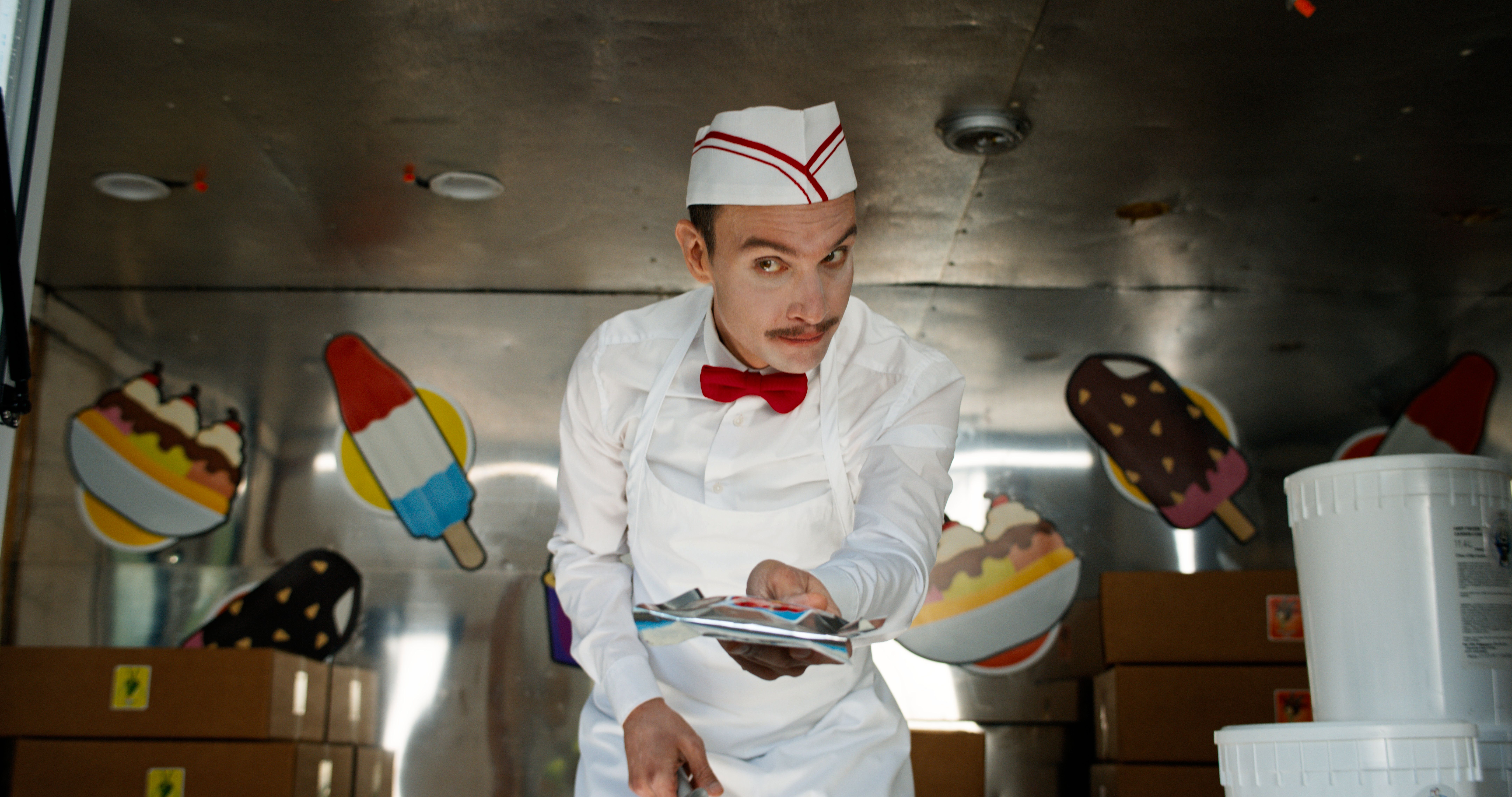
Eli Roth Confirms Limited Use of Generative AI in Ice Cream Man
Eli Roth clarified the use of generative AI in his film Ice Cream Man, revealing it was used minimally.
As Zak Penn writes the script for Ready Player Two, we explore the implications for fans and potential storylines.
In simple terms, the central question surrounding Ready Player Two is whether the sequel can effectively capture the spirit of its predecessor while expanding its narrative and themes. The answer appears promising, as a new script by Zak Penn is currently in development, suggesting that fans may soon return to the vibrant and complex world of the OASIS.
The original Ready Player One, directed by Steven Spielberg, established a rich universe filled with nostalgia, adventure, and philosophical undertones. The upcoming sequel holds the potential to delve deeper into these themes while introducing fresh challenges for the protagonist, Wade Watts, and his fellow gamers. Since the announcement, speculation has circulated regarding what new dimensions the sequel could explore, both narratively and thematically.
The first key aspect to consider is how Ready Player Two might expand the OASIS universe. The original film was notable for its elaborate 1980s pop culture references, but the sequel could venture beyond this nostalgia, exploring more contemporary themes or issues that resonate with today's audience. This could include examining societal implications of virtual reality, particularly as technology continues to evolve rapidly.
Penn's prior work indicates that he has a firm grasp of balancing intricate storytelling with engaging character arcs. His involvement could enrich the narrative landscape of Ready Player Two, providing depth to existing characters while introducing new ones. Fans are already speculating on which characters might return and how they could evolve within a new storyline.
In the original film, Wade Watts, portrayed by Tye Sheridan, faced significant choices that highlighted the themes of friendship, loyalty, and the value of real-life interactions versus virtual ones. As the sequel develops, it may push these themes further, challenging characters to confront the consequences of their decisions within both the virtual and real worlds.
Given the ambiguous pathways that technology can lead society down, the sequel has the opportunity to explore character decisions more deeply. For example, what ethical dilemmas might arise in a world ruled by a new version of the OASIS? How might loyalty and trust be tested against the backdrop of an increasingly interconnected yet isolated world?
The fact that Zak Penn is writing the script is itself a critical clue about the direction of Ready Player Two. His experience in crafting narratives for franchises suggests a commitment to ensuring that the sequel remains grounded in the essence of the original story while pushing the boundaries of what a follow-up can achieve. This commitment could manifest in an increased focus on character growth and new challenges, rather than simply rehashing familiar tropes.
However, uncertainty looms regarding plot specifics and character arcs. Nothing is confirmed beyond the fact that the script is underway, leaving fans yearning for insight. Will characters like Art3mis, played by Olivia Cooke, witness considerable development? What new adversaries might arise, and how will they test the protagonists?
A critical element of Ready Player One was its exploration of escapism and the balance between reality and virtual life. The sequel must address whether the OASIS acts as a metaphor for avoidance or as a tool for achieving personal growth. As technology increasingly intertwines with daily life, the sequel could serve a dual purpose: entertaining its audience while provoking thoughtful dialogue on these pressing issues.
Interweaving these thematic layers requires sensitivity and insight, particularly as audiences navigate their relationships with technology. In this light, Ready Player Two will have the chance to not only entertain but also to resonate with contemporary concerns.
The completion of the script may eventually guide the trajectory of the sequel's narrative arc and conclusion. If it follows the pattern set by its predecessor, an ending that emphasizes growth and the importance of genuine connection over virtual validation would be a poignant choice.
Each character’s journey within the OASIS can serve as a platform for philosophical discussions about identity, purpose, and the human experience. Should the ending echo these themes, it would offer audiences a thoughtful resolution that transcends mere entertainment.
As we anticipate updates on Ready Player Two, it’s essential to reflect on what we hope to see. The foundation has been laid for an exciting exploration of both world-building and character development, and with Zak Penn at the helm, viewers can remain hopeful about a narrative that thoughtfully examines the implications of virtual worlds.
In conclusion, the questions raised by the developing story warrant continued exploration and engagement amongst fans. With the original film's legacy at stake, all eyes will be on how Ready Player Two unfolds, challenging audiences once again to consider the complexities of reality and virtuality.
Moreover, for fans of similarly themed films, exploring franchises like The Matrix or Tron may provide additional layers of insight into the philosophical discussions of digital realities. With anticipation building, only time will tell how this chapter will unfold in the continuing saga of the OASIS.
Movie explanation
EpisodeBreakdown may use automated tools to assist research, drafting, and formatting. Published pages are governed by our editorial and corrections policies, and source links are shown when they are available in the article record.
Discovery source: JoBlo. The source identifies where the topic was discovered; EpisodeBreakdown is responsible for the commentary published on this page.
Reader response
Reactions and poll results are based on real reader responses. No account is required.