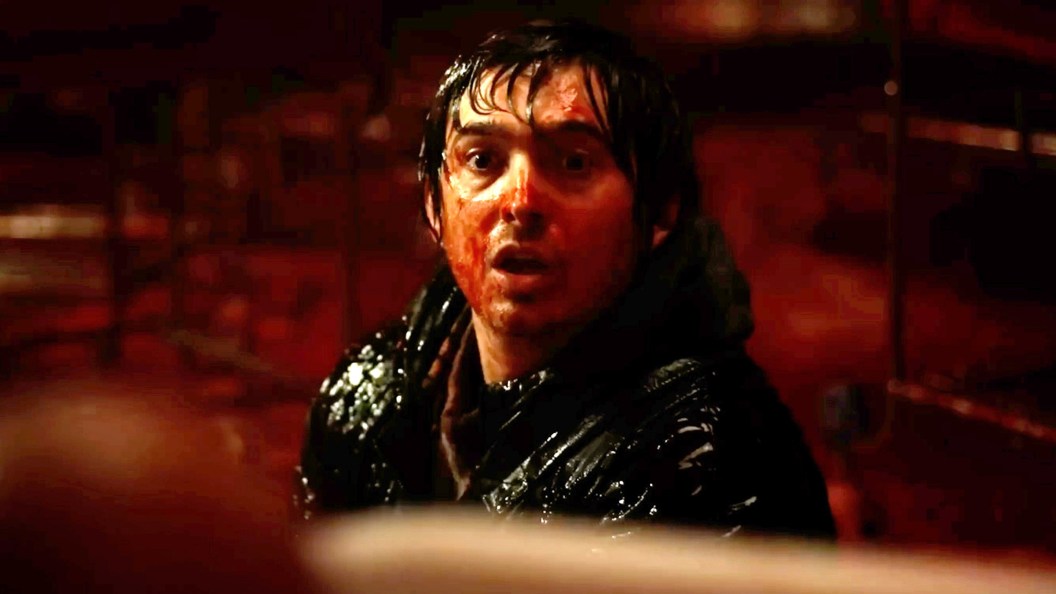
ComicBook.com reports that Zach Cregger’s Resident Evil film, the highest-rated video game adaptation of all time, ends with a transformative twist that fans are debating. The movie’s final moments reveal Austin Abrams’ character mutating into a monstrous form after failing to deliver a virus cure, with no post-credit sequel bait.
Zach Cregger’s Resident Evil Film Ends With a Transformative Twist
ComicBook.com has confirmed that Zach Cregger’s Resident Evil film—currently the highest-rated video game adaptation in history—concludes with a pivotal transformation that has sparked debate among fans. The movie’s final sequence shows Austin Abrams’ character, Bryan, mutating into a monstrous entity after dropping a virus cure that falls more than 20 stories below the Raccoon City General Hospital. This abrupt ending, which cuts to black with the film’s title card, has drawn mixed reactions from audiences who spent the 90-minute runtime rooting for Bryan’s survival.
The film’s narrative centers on Bryan’s desperate mission to deliver a piece of Umbrella Corporation’s virus cure to the hospital. After surviving violent encounters with infected individuals—including a mutant dog and an infected child who bites him—Bryan reaches the hospital only to discover that the cure he was transporting is critical for synthesizing a potential antidote. Despite his efforts to secure the cure, Bryan’s body begins to transform: tentacles sprout from his back, a maw opens from his stomach, and he gradually assumes the form of a creature reminiscent of John Carpenter’s The Thing. The film’s climax reveals Bryan’s final plea for the cure as his mutated form destroys the scientists he was meant to save.
No Post-Credit Sequel Bait in Resident Evil’s Final Sequence
A key clarification from ComicBook.com’s analysis is that the film contains no post-credit or mid-credit scenes that could hint at a sequel. After the final sequence, the movie ends with a helicopter from the National Guard flying overhead, spotlighting Bryan’s transformed state before the title card appears. This absence of sequel bait has been a point of discussion among fans who anticipated a teaser for future installments, but Cregger’s team has confirmed the film’s conclusion is definitive.
The absence of post-credit scenes aligns with the film’s deliberate focus on its own narrative arc. While Cregger has hinted at potential future projects, the Resident Evil movie appears to function as a self-contained story that sets up the franchise’s lore without immediate sequel obligations.
Resident Evil’s Ending Reflects Survival Horror Game Design
The film’s ending has been praised for its alignment with the survival horror genre’s core mechanics. In Resident Evil games, players often uncover story elements through environmental clues, such as notes from scientists or voice recordings from couriers. Cregger’s adaptation mirrors this by crafting a narrative where Bryan’s transformation is a direct consequence of the game’s mechanics—his body’s mutation reflects the virus’s progression, much like the game’s progression through levels.
This approach has earned the film a place as the highest-rated video game adaptation in history, with Resident Evil now holding the top spot among all video game movies. The film’s success underscores Cregger’s ability to translate the franchise’s tone and atmosphere into a cinematic experience without relying on direct game lore.
Why the Ending Matters for Resident Evil Fans
For fans of the franchise, the ending’s ambiguity has been both a strength and a point of contention. While some critics argue that the film’s abrupt conclusion lacks closure, others highlight its thematic resonance with the games’ emphasis on survival and sacrifice. Bryan’s transformation into a monster that destroys the very people he sought to save mirrors the games’ recurring theme of the virus’s irreversible consequences.
The film’s success has also sparked interest in Resident Evil’s broader universe. Despite no immediate sequel plans, Cregger has suggested that the movie could serve as an origin story for future games, with Bryan’s mutated form potentially becoming a central antagonist in upcoming titles. However, this remains speculative, as the film’s creators have not confirmed any direct connections to future projects.
Resident Evil’s Impact on Video Game Adaptations
The Resident Evil film’s achievement as the highest-rated video game adaptation has set a new benchmark for the industry. By focusing on the film’s tone and atmosphere rather than direct game narratives, Cregger’s team has demonstrated that video game adaptations can thrive without compromising the original source material’s essence.
This success has implications for future adaptations, particularly in the survival horror genre. The film’s approach—prioritizing the emotional and psychological tension of the games over literal plot points—could inspire other studios to rethink how they translate video game stories into cinematic experiences.
[Resident Evil Movie Pulls Two Monsters From Non-Franchise Games, But They Fit Perfectly]
[Zach Cregger’s Resident Evil Sets Franchise Record with $26.3M Opening Day]
Zach Cregger’s Resident Evil Film Ends With a Transformative TwistNo Post-Credit Sequel Bait in Resident Evil’s Final SequenceResident Evil’s Ending Reflects Survival Horror Game DesignWhy the Ending Matters for Resident Evil Fans
EpisodeBreakdown may use automated tools to assist research, drafting, and formatting. Published pages are governed by our editorial and corrections policies, and source links are shown when they are available in the article record.
Discovery source:ComicBook.com. The source identifies where the topic was discovered; EpisodeBreakdown is responsible for the commentary published on this page.
Reader response
What did you think?
Be the first to react
Reactions and poll results are based on real reader responses. No account is required.
Continue the story
news
Captain America, Iron Man, and Thor Don’t Define the Avengers, These 5 Heroes Do
ComicBook.com reports that while Captain America, Iron Man, and Thor are often considered the core Avengers, the team’s true identity is defined by five key members who have shaped its legacy.Read next →