
Violent Night Producer Kelly McCormick's Insights on American Action Films
Kelly McCormick discusses the emotional depth missing in modern American action films, emphasizing character-driven narratives.
Dive into the significant evolution of fantasy literature over the last decade.
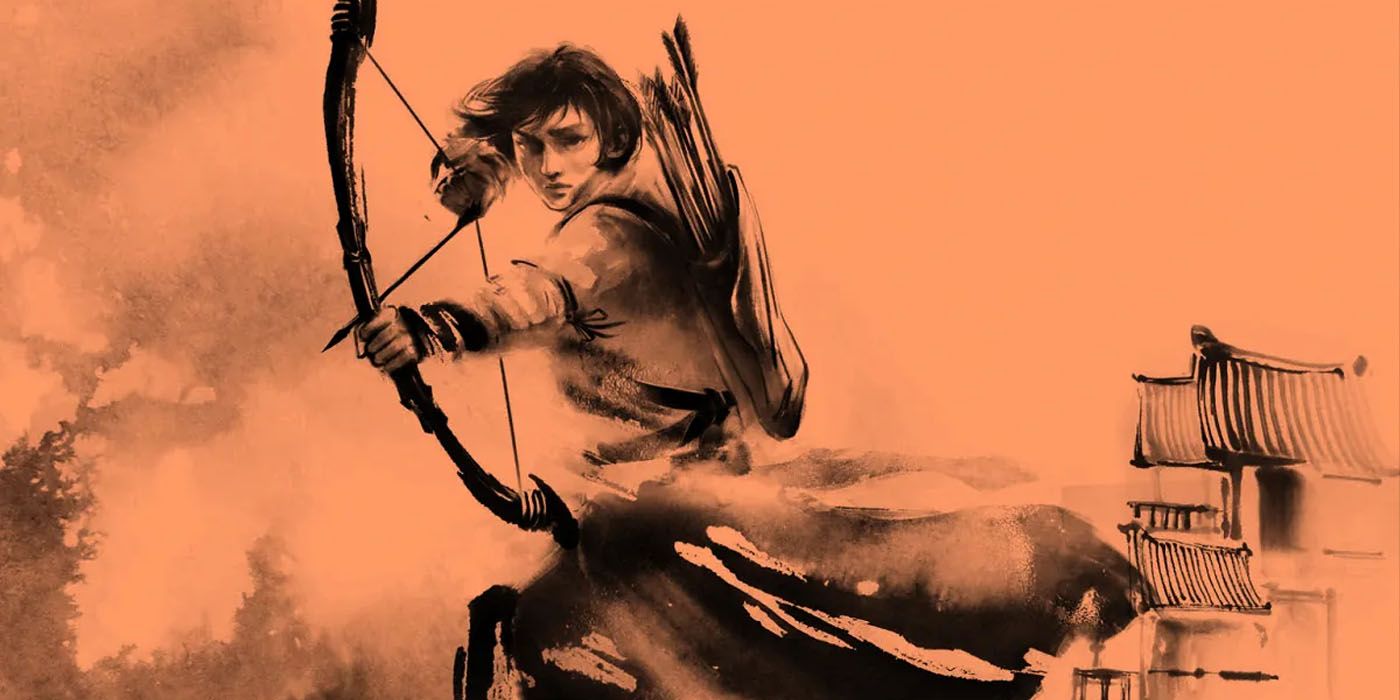
In simple terms, the past decade has ushered in a transformational era for fantasy literature, marked by diverse voices and complex narratives that reflect contemporary issues. The central question that emerges is: what has prompted this renaissance in fantasy? The answer lies in the genre's broadening scope, showcasing not just magical worlds but also profound themes of identity, oppression, and self-discovery.
Here’s what is confirmed: many authors have redefined what fantasy can be, moving beyond traditional tropes to incorporate social critiques and rich character development. This analysis delves into several notable titles and their contributions to modern fantasy, demonstrating how they elevate the genre to new heights.
The last decade has seen an explosion of inventive storytelling techniques, particularly via the lens of marginalized perspectives. Among the titles making waves, The Poppy War by R.F. Kuang starkly illustrates this shift. In her grimdark military fantasy, Kuang introduces readers to a world resonant with historical echoes, particularly reflecting the clashes of Chinese history and culture. The complex characterization of Rin tackles the psychological effects of war, offering not merely escapism but also a critical examination of strife and resilience.
Another significant turning point is Babel, also by Kuang. This dark academia novel critiques British imperialism and addresses systemic racism through a captivating magical lens. Set in an alternate Oxford, it portrays the power dynamics within academic structures, yielding a narrative that is both engaging and thought-provoking. The intertwined themes of language, identity, and colonialism resonate deeply, elevating fantasy literature into a space of profound societal critique.
Feminism has emerged as a vital thread in modern fantasy, especially prominent in works like Circe by Madeline Miller. This retelling of Greek mythology centers on the titular witch, exploring themes of empowerment and victimization. Circe’s journey transforms her from a secondary character in The Odyssey into a nuanced protagonist, allowing readers to witness her struggles and triumphs through a modern, feminist lens. Miller’s treatment of Circe adds layers to traditional folklore, challenging readers to reconsider characters often labeled as villains.
Additionally, The Priory of the Orange Tree by Samantha Shannon crafts an expansive narrative that integrates LGBTQ+ themes and diverse characters into its epic fantasy world. Its unapologetic exploration of queer relationships and female empowerment stands as a modern counterpart to classic texts, emphasizing inclusivity in fantasy literature.
Children of Blood and Bone by Tomi Adeyemi further demonstrates how cultural elements intricately weave into fantasy narratives. Drawing from Nigerian mythology, the story captures the struggle against oppression, paralleling real societal issues with magical elements. The dual perspectives of Zélie and Princess Amari provide a rich tapestry of conflict and identity, making the characters' struggles feel intensely relatable. This book has played a pivotal role in the discourse about representation in literature, highlighting the importance of Black voices in fantasy.
Similarly, Tamsyn Muir’s Gideon the Ninth introduces a unique blend of genres, intermingling gothic horror with science fiction. Focusing on necromancers in a space opera setting, the novel stands out not just for its innovative premise but also for its humor and depth of character, attracting a broad audience. The unconventional mashup challenges genre boundaries and invites creative adaptations that maintain the essence of its vibrant narrative.
The groundwork laid by these powerful narratives paves the way for profound themes of identity and self-discovery, most notably seen in The Midnight Library by Matt Haig. This speculative fiction narrative uniquely handles complex themes of regret and existential exploration, all wrapped in a fantastical framework. Nora's journey through various life choices allows readers to reflect on their own lives, making the narrative both intimate and broadly appealing. The engaging premise and thoughtful approach to mental health exemplify how fantasy can serve as a mirror reflecting our realities while offering solace and insight.
These modern masterpieces are not just literary achievements; they are poised for cinematic adaptations, further ingraining their narratives into popular culture. The anticipated adaptations of titles like Children of Blood and Bone mark a significant step in bringing diverse stories to mainstream media, potentially reshaping viewers' perceptions of fantasy.
Adaptation processes often reflect the themes and aesthetics of their source material, creating a bridge between literature and visual storytelling. As filmmakers begin to embrace the complexity and richness of these narratives, we can expect a more inclusive portrayal of fantasy in film and television.
The last decade's evolution in fantasy literature signifies a broader cultural and artistic renaissance, reflecting diverse experiences and social critiques. This transformation encourages future authors to experiment with blending genres, challenging norms, and addressing contemporary issues within their narratives. As fantasy continues to evolve, its potential to inspire and resonate with readers and viewers alike grows exponentially, paving the way for a new generation of storytellers.
In conclusion, the landscape of modern fantasy literature reflects societal dialogues that go far beyond magic and adventure; it’s about identity, empowerment, and the human condition wrapped in the fantastical. As we move forward, we can anticipate not only more incredible stories emerging from voices that have traditionally been silenced but also a deeper exploration of what constitutes fantasy itself.
Movie explanation
EpisodeBreakdown may use automated tools to assist research, drafting, and formatting. Published pages are governed by our editorial and corrections policies, and source links are shown when they are available in the article record.
Discovery source: CBR Movies. The source identifies where the topic was discovered; EpisodeBreakdown is responsible for the commentary published on this page.
Reader response
Reactions and poll results are based on real reader responses. No account is required.