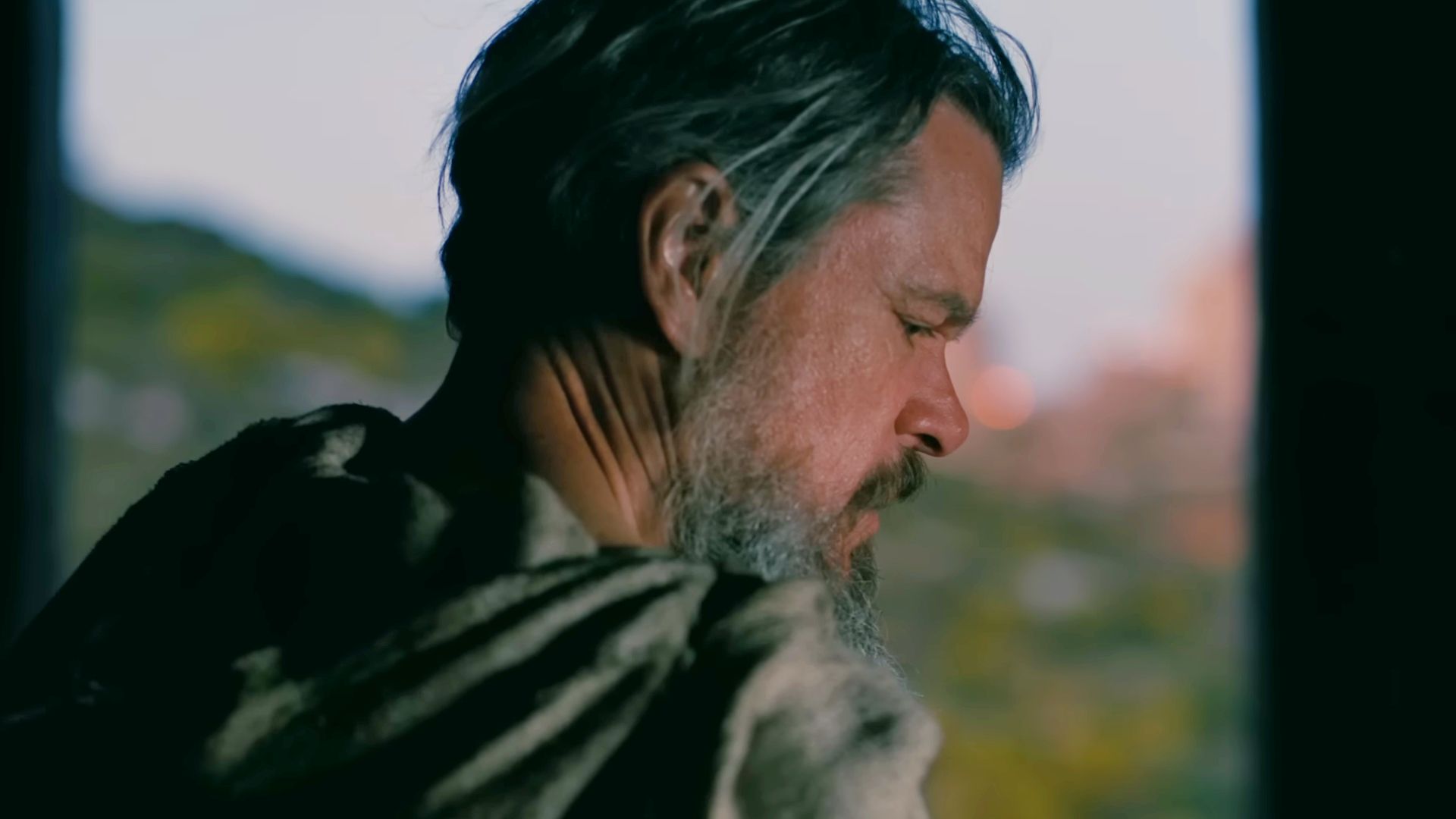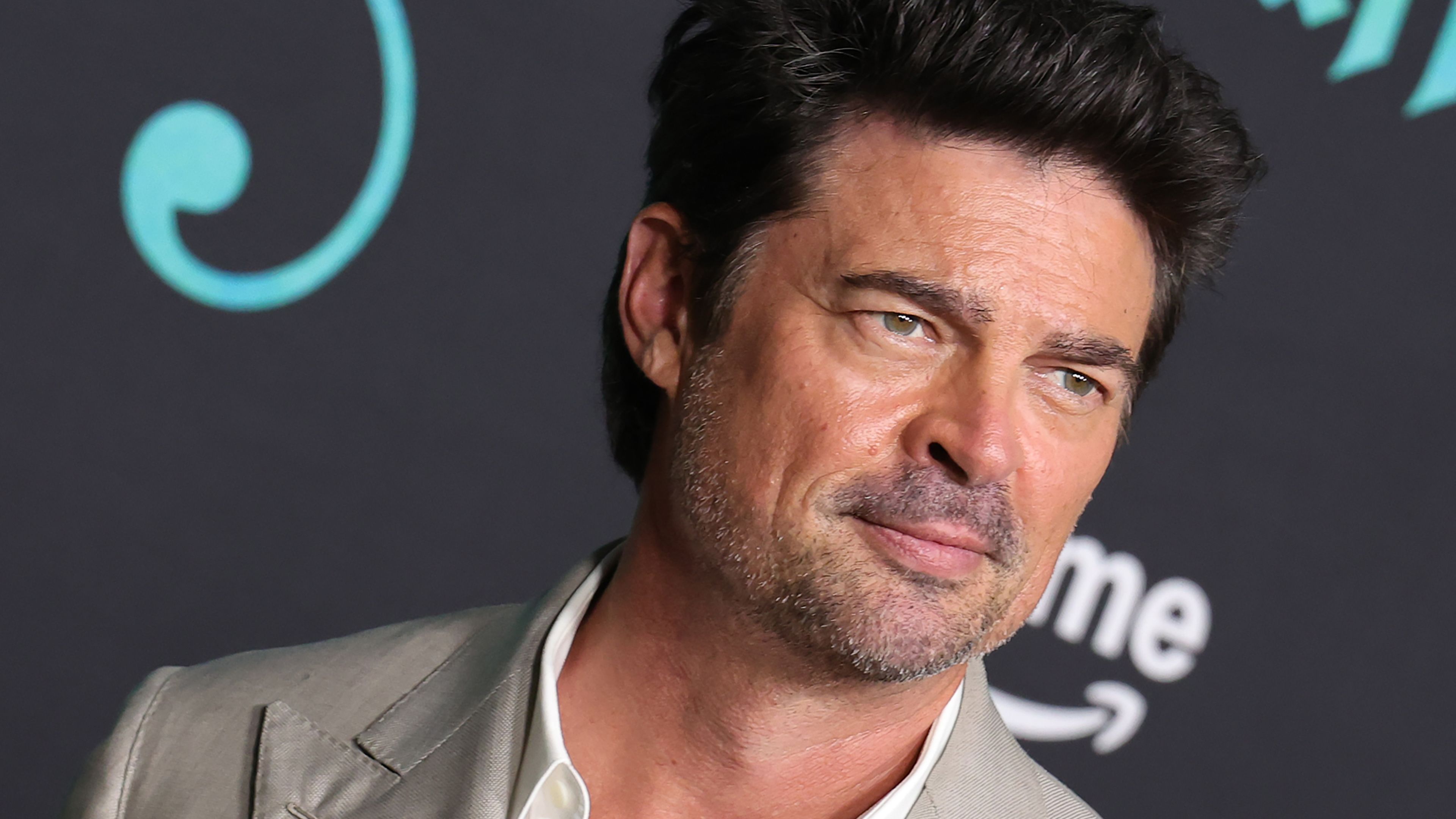
Spider-Man: Brand New Day's Box Office Marvel
Analyzing the success of Spider-Man: Brand New Day's incredible box office performance and deeper themes.
An in-depth analysis of Robert De Niro's transformative role in The Mission, exploring its themes and historical context.
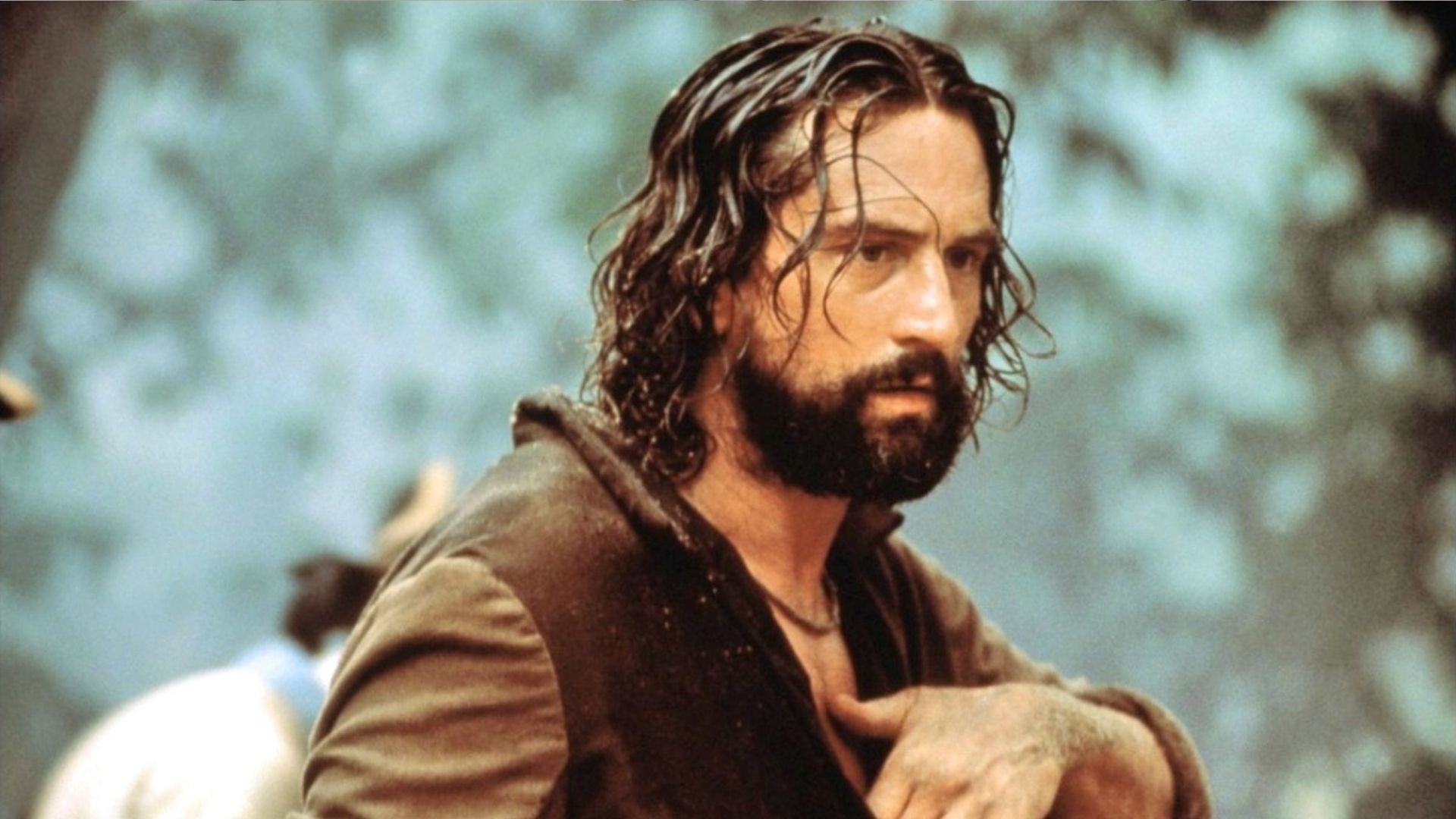
In simple terms, The Mission presents a profound moral exploration of redemption within the context of colonialism, making it one of the best religious films of all time. Robert De Niro’s performance as Captain Rodrigo Mendoza embodies this theme, as he transitions from a mercenary to a protector of the Guaraní people. This transformation raises the central question of the film: Can one find redemption and purpose amidst the sins of the past?
The film, released in 1986, sets its narrative against the backdrop of 18th-century South America, where the Guaraní tribe’s peaceful existence clashes with European colonial ambitions. What happened is that despite De Niro’s established reputation in gangster films, he found a compelling challenge in portraying a man grappling with guilt, offering viewers a nuanced take on faith and cultural conflict.
At the film's outset, Mendoza is a brutal slaver, defined by violence and material interests. Following a traumatic incident in which he kills his brother, he is confronted by the consequences of his actions. De Niro’s powerful portrayal reflects Mendoza’s inner turmoil, accentuated by the heavy sack of armor he initially carries, symbolizing his psychological burdens. This visual metaphor is crucial; the sack's eventual removal by a Guaraní tribesman marks Mendoza's first step toward redemption.
As Mendoza transitions from a sword-wielding mercenary to a Jesuit apprentice, his journey of penance challenges audiences to understand the synergy between personal growth and spiritual awakening. His relationship with Father Gabriel, portrayed by Jeremy Irons, serves as a catalyst for this transformation. Mendoza’s struggle between his violent past and his newfound compassion leads him into the heart of the Guaraní’s plight, giving depth to the film’s exploration of faith and morality.
One of the film's most striking themes is the juxtaposition of faith and colonial exploitation. The Jesuits' mission to convert and protect the Guaraní showcases their commitment to a moral high ground, but this effort becomes increasingly complicated by the influence of political powers, such as the Portuguese government. The cinematic depiction of historical events underscores the complex reality of religious intervention in foreign lands.
Mendoza’s dual identity—first as a mercenary and later as a defender of the Guaraní—sheds light on the tension between religious convictions and the harsh realities of imperialism. He is willing to forgo his Jesuit vows to defend the oppressed, emphasizing the film's message that true faith requires action, often at a great personal cost.
The film's direction by Roland Joffé and Chris Menges’ cinematography combine to create an emotionally resonant landscape that is vital to the viewer’s experience. For instance, expansive wide shots capture the striking beauty of the Iguazú Falls, contrasting it with the looming violence of colonial powers. Menges’ camera work, particularly the slow, deliberate movements used during the climactic scenes, reflects the hesitance and dread of the Guaraní facing impending doom.
Moreover, Ennio Morricone’s haunting score parallels the emotional weight of the narrative. The music introduces a sense of hope amidst despair, especially during Mendoza’s moments of realization. This effective pairing of visuals and sound enhances the stakes of the characters' struggles, bringing a visceral quality to Mendoza's journey.
The film’s finale presents a tragic and inevitable conclusion, leaving audiences questioning the effectiveness of faith when faced with violence. The Guaraní’s resistance, portrayed with dignity, does not culminate in victory; instead, their tragic end underscores the harsh realities of history. Mendoza’s last stand reflects a poignant mix of hope and despair, serving as a commentary on the futility of fighting against colonial forces.
This heartbreaking finale reinforces the film's exploration of sacrifice and moral complexity. Despite Mendoza’s valiant efforts, the power dynamics at play prove insurmountable, resonating with historical truths about indigenous oppression.
Ultimately, Robert De Niro’s role in The Mission invites viewers to reflect on the broader implications of faith, redemption, and colonialism. The film questions whether individual transformations can occur within systems of exploitation, particularly in such a beautifully tragic context. Its lasting impact can be felt not only through its storytelling but also through its ability to challenge audiences to engage with ethical dilemmas surrounding faith and morality.
The Mission remains a vital cinematic work, resonating not just as a story of personal redemption but also as a critical meditation on religious and colonial histories. Those interested in similar thematic explorations may find value in contrasting films that address faith and existential dilemmas. For instance, There Will Be Bloodoffers a lens on power and spirituality, while The Last Temptation of Christ provides an audacious take on faith and personal struggle. By examining these narratives, viewers can deepen their understanding of the intricate interplay between faith, culture, and morality, much like in The Mission.
In conclusion, De Niro’s portrayal transforms a simple religious narrative into a layered discussion of humanity's complexities. It solidifies The Mission as not just one of the best religious films but a timeless exploration of the human condition poised against historical injustice.
Movie explanation
EpisodeBreakdown may use automated tools to assist research, drafting, and formatting. Published pages are governed by our editorial and corrections policies, and source links are shown when they are available in the article record.
Discovery source: MovieWeb. The source identifies where the topic was discovered; EpisodeBreakdown is responsible for the commentary published on this page.
Reader response
Reactions and poll results are based on real reader responses. No account is required.