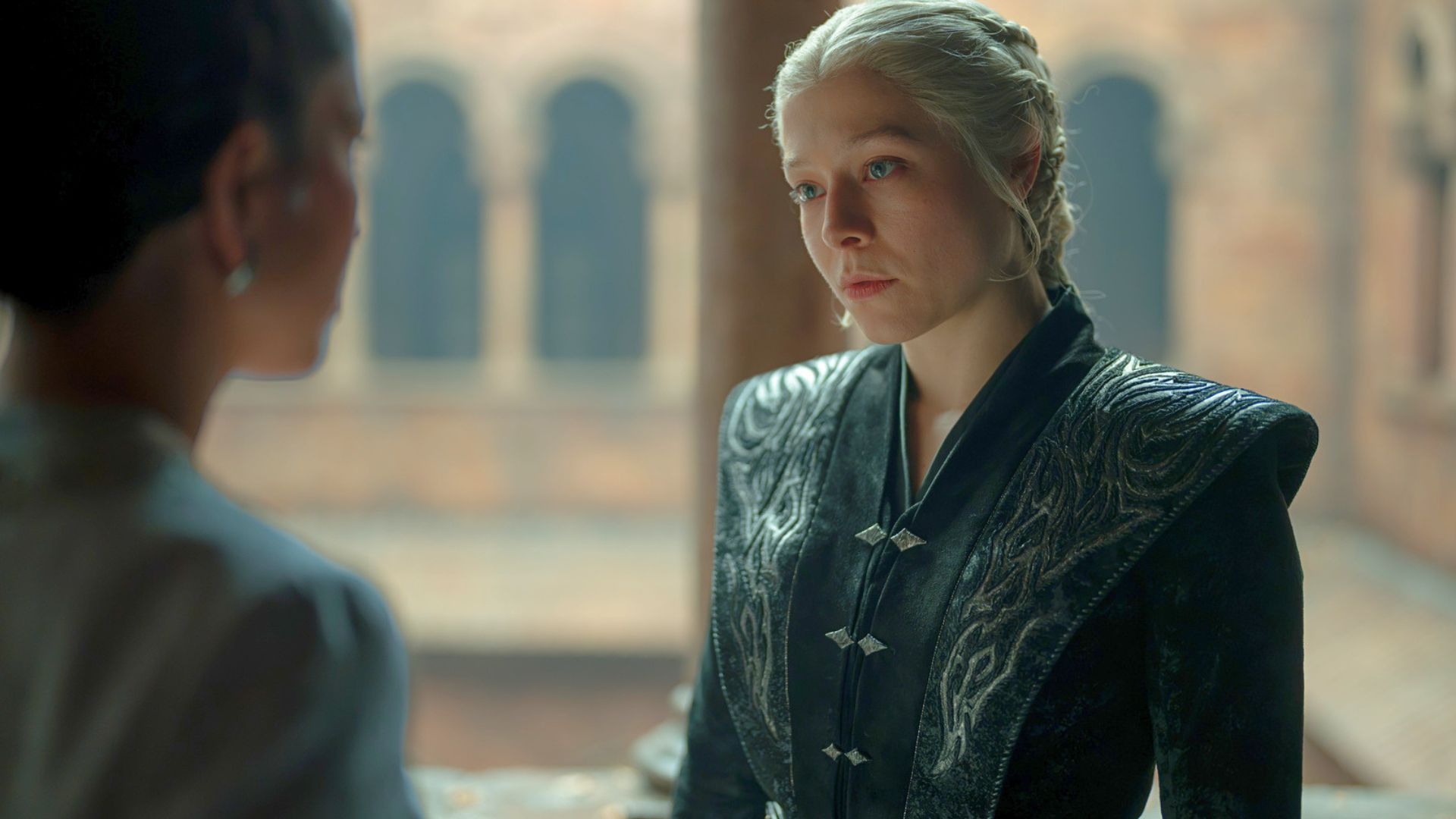
'House of the Dragon' Officially Rewrites Rhaenyra's Downfall
Significant changes to Rhaenyra Targaryen's storyline raise questions for Season 4 of 'House of the Dragon.'
Michael Fishman responds to fan backlash over 'Roseanne' revival cancellation, calling criticism 'ignorant and inaccurate.'
In simple terms, Michael Fishman, known for his role on the sitcom "Roseanne," provided a pointed response on social media to fans lamenting the show's revival cancellation. He expressed frustration with criticisms surrounding the show's end, describing them as "ignorant and inaccurate." This commentary was made during a video posted on his Instagram account, aiming to clarify lingering misconceptions about the series' cancellation.
Fishman's remarks came in response to a comment he received that defended former star Roseanne Barr, implying that modern cultural criticism played a role in the cancellation. He highlighted that the show's revival was canceled in 2018 following Barr's controversial remarks, which included a racially charged comment about Valerie Jarrett, a senior advisor in the Obama administration. The backlash from this incident led to both the show's cancellation and a swift change in network direction.
The original "Roseanne" aired from 1988 to 1997, gaining a dedicated fan base. Its revival in 2018 was initially met with excitement but quickly soured due to Barr's comments that many viewed as racist. Following the backlash, ABC canceled the revival and replaced it with a spinoff series titled "The Conners," featuring Fishman and other original cast members. This spinoff aired for several seasons until 2025. The stark transition from a cultural touchstone to cancellation demonstrates how quickly public sentiment can shift, especially in the current media landscape.
In his video message, Fishman expressed disbelief at the persistence of certain narratives suggesting Barr's termination was merely a response to political correctness. "Turning the other cheek is really not helping," he stated, indicating how often he has dealt with backlash regarding the show's end. Fishman emphasized that while comedians often tread risky ground, Barr’s specific comment was indefensible and had real-world consequences.
Fishman underscored a crucial point: while freedom of speech exists, it doesn't absolve individuals from responsibility for their statements. He further emphasized that the act of dehumanizing others is never a joke. His comments serve as a stark reminder of how responsible discourse is essential in both comedy and daily conversation, particularly in an age where public figures are constantly scrutinized.
Despite his critique of the negative comments surrounding Barr, Fishman maintained a supportive stance toward her, stating, "Good people make mistakes. I love the one who made this mistake." This acknowledgment showcases Fishman's compassionate side amidst his stern admonition against ignorance.
The continued dialogue surrounding the show's cancellation and the complexities of free speech, quality comedy, and societal accountability may resonate differently with viewers. Some fans might feel alienated by Fishman's criticisms, while others may appreciate the clarity he brings to the arguments being made.
Fishman's clarity about the consequences of words and the importance of contextual understanding builds a foundation for discussing sensitive topics. Moreover, as the entertainment landscape continues shifting, the repercussions for public comments made by celebrities and their significant consequences remain a crucial topic of discussion.
In closing, Fishman advised those perpetuating harmful stereotypes to consider the implications of their statements. He implored people to think before they communicate and expressed frustration over the misunderstandings that linger regarding Barr's comments and the subsequent fallout.
Fishman's response marks a significant moment in the ongoing discourse about comedy and ethics. His stance illustrates the necessity for artists to engage critically with their work and the messages they convey. As audiences continue to consume media, understanding the context surrounding controversial figures will be imperative. The lessons learned from the "Roseanne" saga serve as a reminder of the power of words and the narratives they perpetuate in popular culture.
Entertainment news
EpisodeBreakdown may use automated tools to assist research, drafting, and formatting. Published pages are governed by our editorial and corrections policies, and source links are shown when they are available in the article record.
Discovery source: TheWrap. The source identifies where the topic was discovered; EpisodeBreakdown is responsible for the commentary published on this page.
Reader response
Reactions and poll results are based on real reader responses. No account is required.