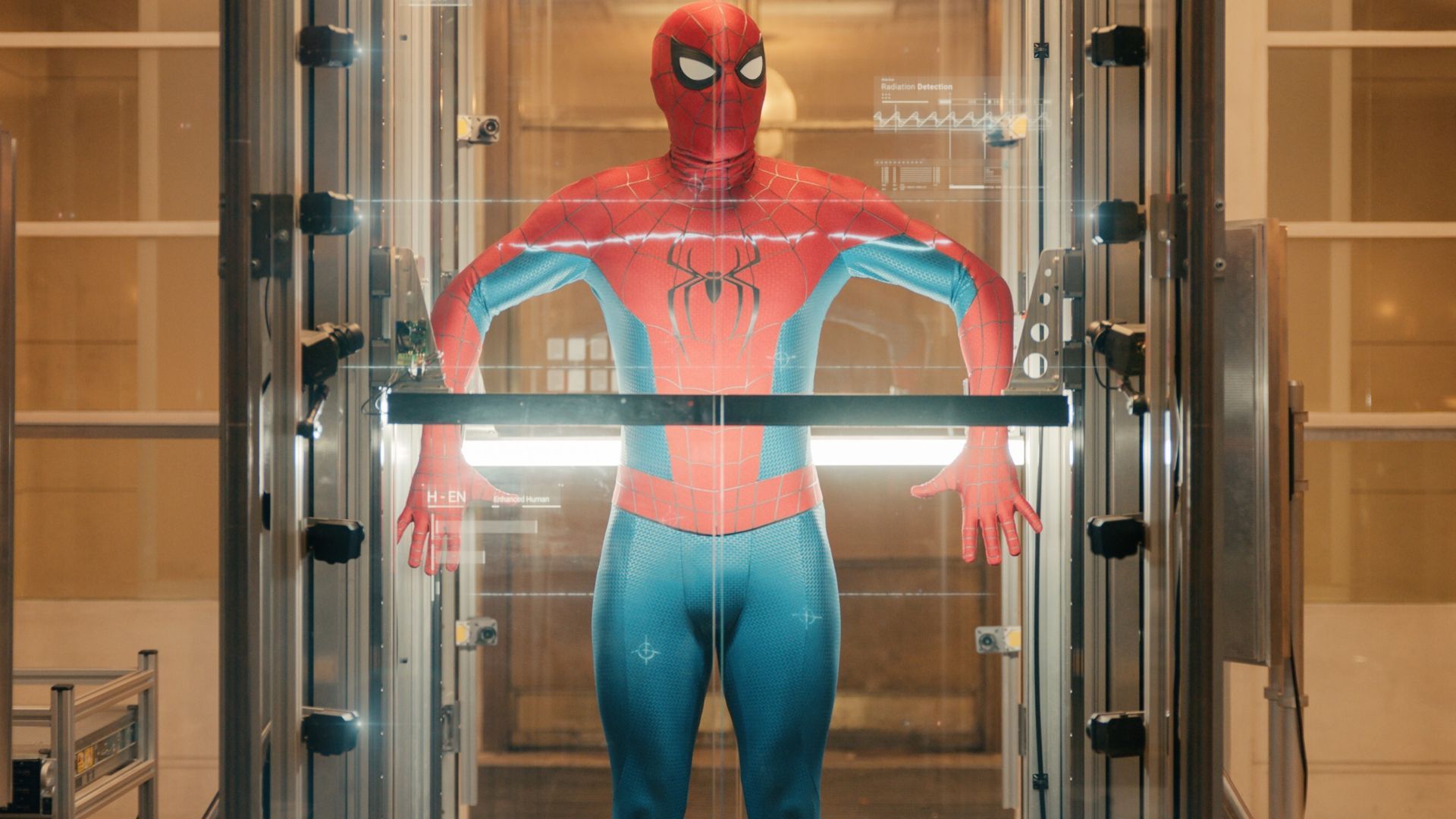
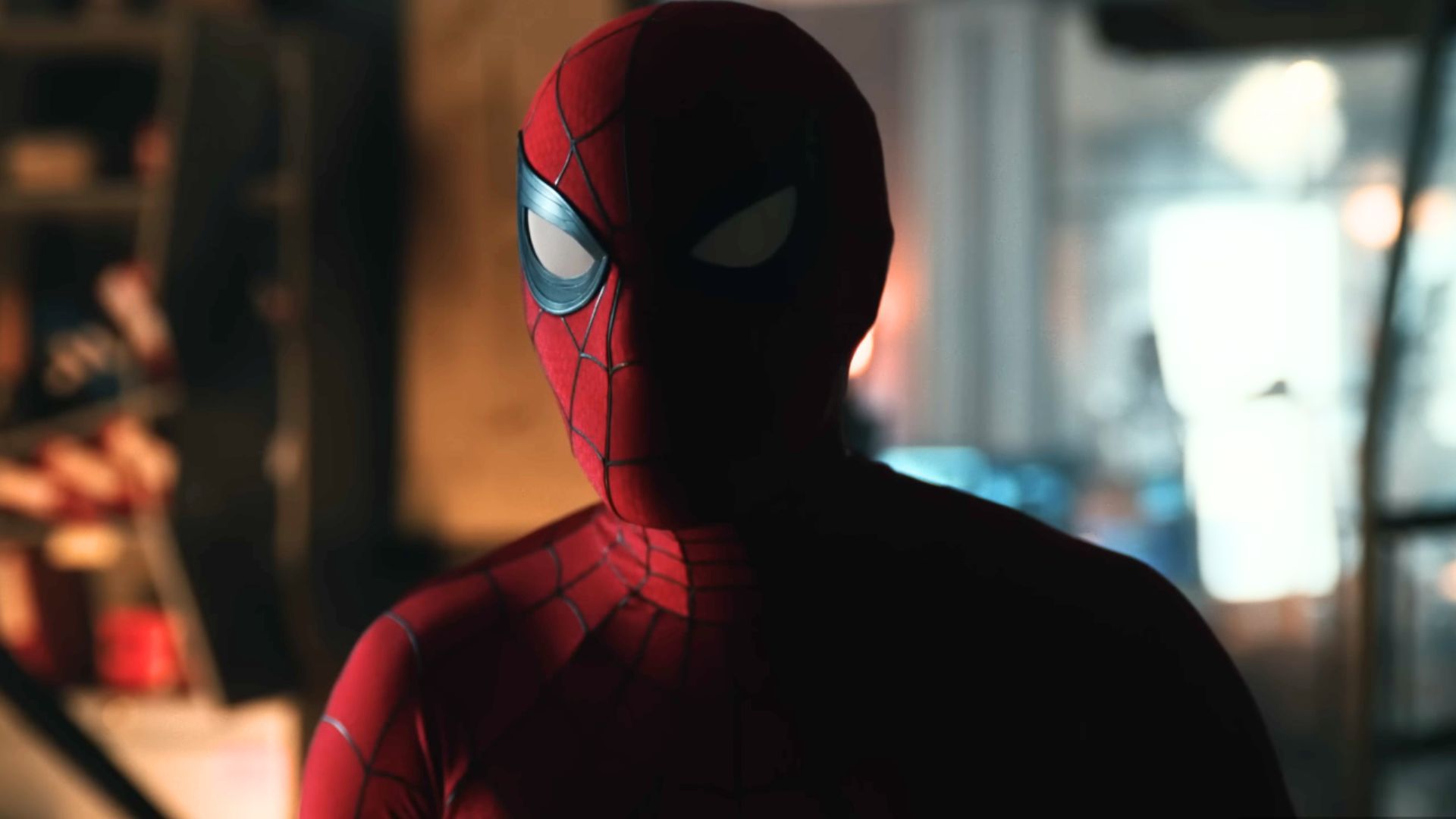
Exploring Spider-Man: Brand New Day's Impact on Cinema
Analyzing the themes, character dynamics, and record-breaking success of 'Spider-Man: Brand New Day'.
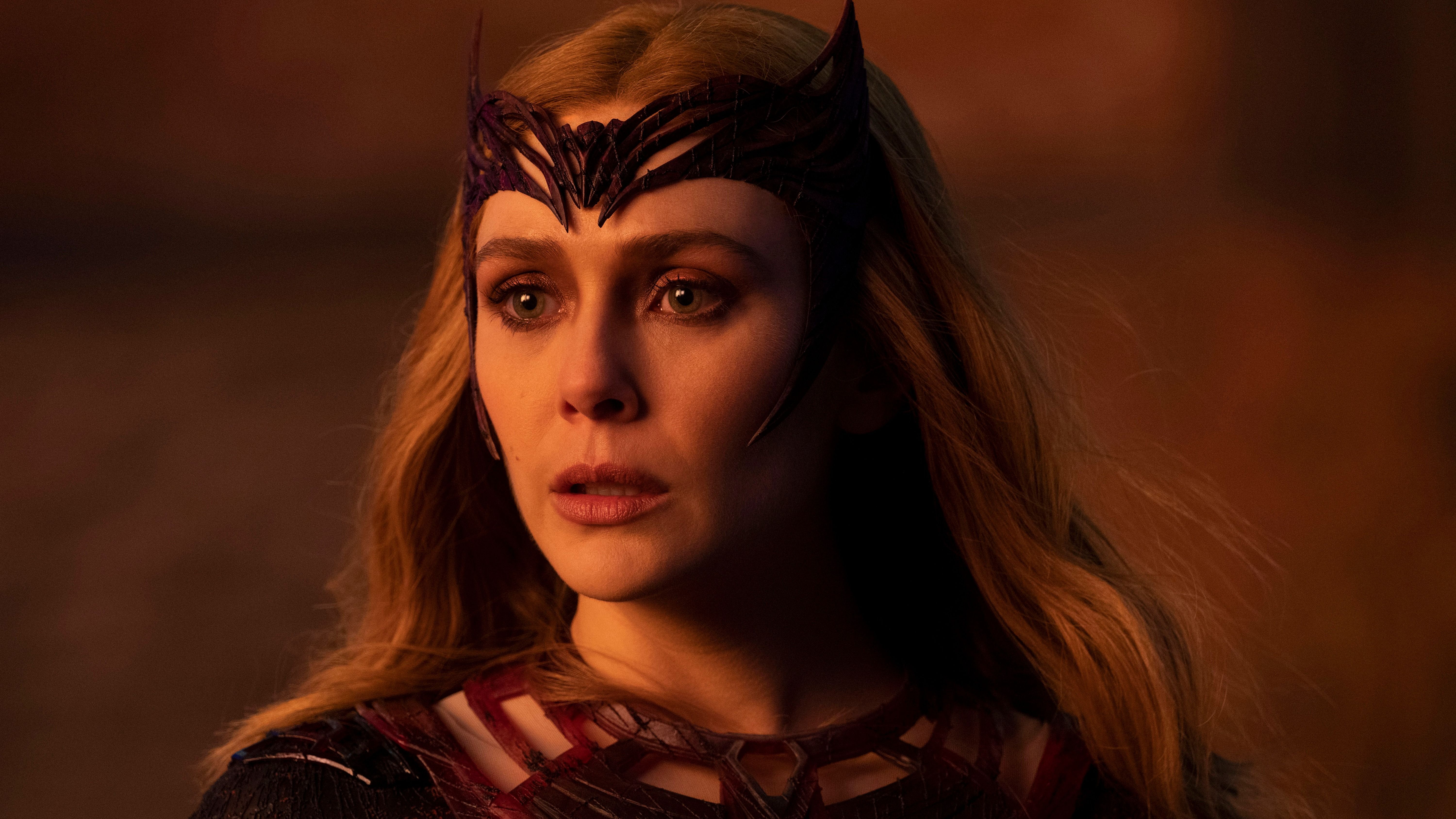
A new detail from Age of Ultron deepens the controversy surrounding Scarlet Witch's tragic fate in Doctor Strange in the Multiverse of Madness.
Explore the franchise
In simple terms, a recent analysis highlights a poignant detail from Avengers: Age of Ultron that magnifies the tragedy surrounding Wanda Maximoff, also known as Scarlet Witch, in Doctor Strange in the Multiverse of Madness. The breakdown was reported by Liz Declan in ScreenRant on August 2, 2026.
What is particularly compelling is how this detail not only sheds light on Wanda's isolated path but also raises questions about the support—or lack thereof—that she received from her fellow Avengers, especially after her harrowing experiences in the MCU.
Wanda Maximoff was introduced in Age of Ultron as a character carrying significant emotional weight. Orphaned as a child due to an incident involving Stark Industries weaponry, she was subjected to Hydra's experimentation alongside her twin brother, Pietro. Throughout her journey, Wanda transformed from a conflicted adversary of the Avengers into one of their most powerful allies, showcasing her growth as a character. Unfortunately, her arc is similarly filled with heart-wrenching loss.
From losing her brother Pietro during a pivotal battle in Age of Ultron to the devastating deaths of Vision and her twin sons, Tommy and Billy, Wanda's life has been a series of tragedies. Declan underscores how these events contribute to the audience's perception of her ultimate fate, which many saw as unjust and deeply tragic.
In Age of Ultron, Pietro’s sacrifice plays a crucial role not only in the narrative but in shaping the dynamics between characters. His impulsive act of using his super speed to save Hawkeye and a child serves as both a heroic moment and a tragic farewell. This connection resonates deeply, especially given Hawkeye's later decision to name his son Nathaniel Pietro Barton, highlighting the impact of Pietro's short yet significant life on others.
However, this choice raises an important point: why did Hawkeye, who understood the depths of loss, fail to check in on Wanda after the dust settled post-Endgame? It seems incongruous that he would honor Pietro's legacy while leaving Wanda, who lost everything, to grieve alone. The lack of support from her fellow Avengers fundamentally impacts how audiences view her subsequent actions in Multiverse of Madness.
Wanda's trajectory appears increasingly brutal when considering her isolation following Avengers: Endgame. Despite her pivotal role in the climax of the Infinity Saga, many left her to navigate her grief without support. This becomes even more frustrating when juxtaposed against her relationship with characters like Hawkeye, who had invested emotional capital in her well-being. The failure to check in on her after such a devastating ordeal raises questions about the loyalty and camaraderie of the Avengers.
Following the release of Doctor Strange in the Multiverse of Madness, the discussion surrounding Wanda's character deepened. While her actions in the film were reprehensible, some argue that they can be traced back to her betrayal by those who once fought by her side. Declan's article prompts readers to consider the complexities of grief and the dire consequences of emotional abandonment.
This detailed examination of Wanda's character highlights a significant issue in the Marvel Cinematic Universe: the need for strong character development and continuity. As fans speculate on future appearances of Wanda in possible upcoming films like Avengers: Doomsday, the lingering question remains: will the franchise address the emotional ramifications of her isolation? Can the audience expect any reconciliation or growth in her relationships with other Avengers?
Declan's insights challenge readers to contemplate these questions, emphasizing that relationships matter deeply in storytelling. It presents a plea for better handling of character arcs, especially for those as richly woven into the narrative as Wanda.
This ongoing conversation about Scarlet Witch highlights the necessity for authentic representation of emotional struggles in storytelling. As Marvel continues to expand its universe, the hope is that future narratives will learn from past missteps, creating space for deeper character interactions and support systems that resonate with audiences. Understanding the nuances of characters like Wanda can pave the way for more meaningful storytelling in upcoming MCU projects.
For fans of the MCU, the discussion doesn’t stop here. With titles like VisionQuest Aims to Resolve Major MCU Mystery Ahead of Avengers: Doomsday, the stakes for Wanda’s character arc remain tantalizingly high.
Entertainment news
EpisodeBreakdown may use automated tools to assist research, drafting, and formatting. Published pages are governed by our editorial and corrections policies, and source links are shown when they are available in the article record.
Discovery source: ScreenRant. The source identifies where the topic was discovered; EpisodeBreakdown is responsible for the commentary published on this page.
Reader response
Reactions and poll results are based on real reader responses. No account is required.