Locarno Film Festival
The Unmatched Masterpieces of Sci-Fi in the 2020s
Exploring the three true masterpieces of 2020s sci-fi: Nope, Project Hail Mary, and Dune.
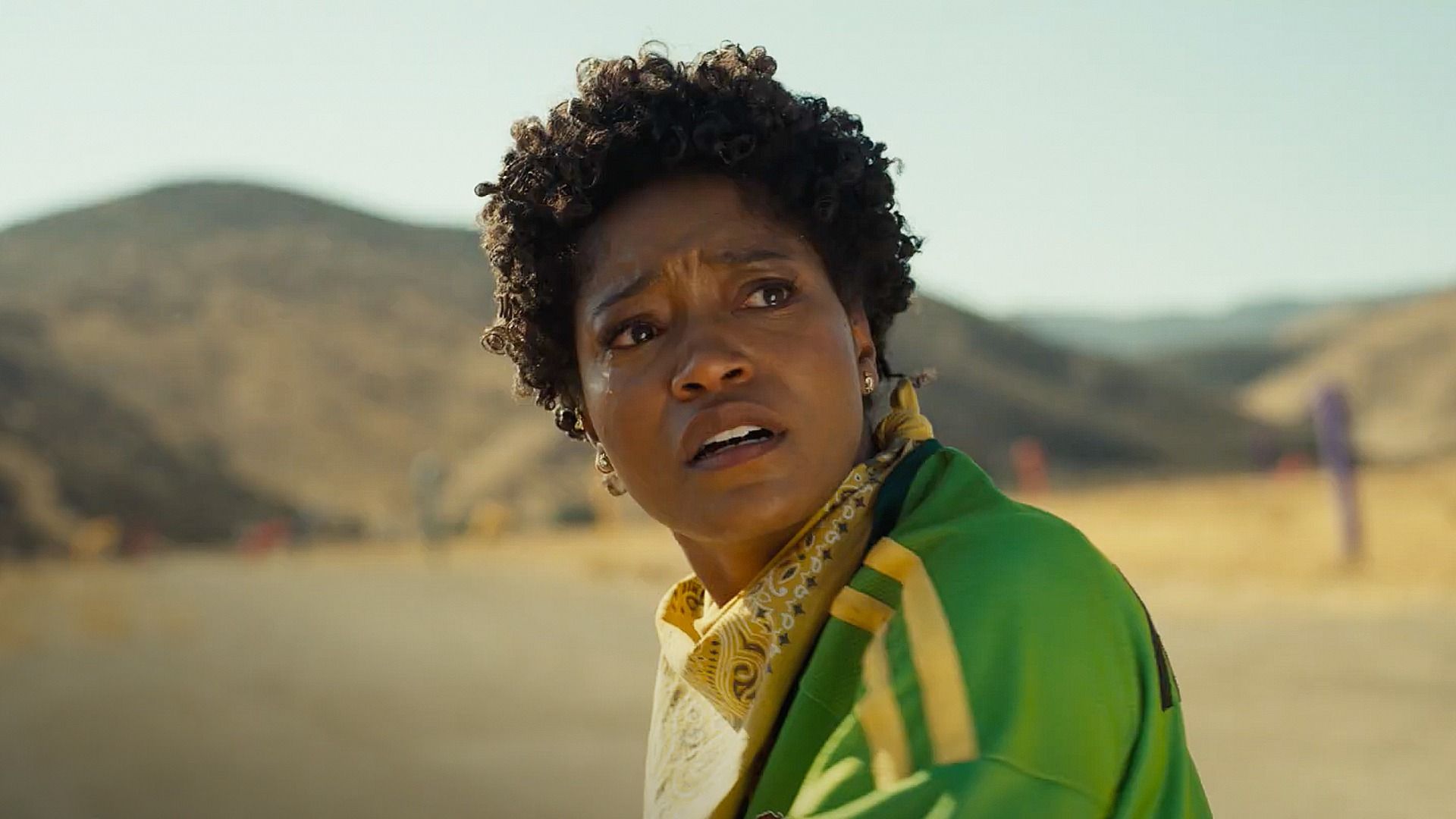
Exploring the three true masterpieces of 2020s sci-fi: Nope, Project Hail Mary, and Dune.
The 2020s have seen a plethora of science fiction films that resonate deeply with modern audiences, yet only three emerge as definitive masterpieces. These standout films—Nope, Project Hail Mary, and Dune—explore existential themes, character dilemmas, and visually stunning landscapes. In simple terms, these movies discuss the complexities of existence, the essence of humanity, and the intertwining of fate and choice in innovative ways.
What happened is that each of these films not only captivated audiences with their intricate storytelling but also elevated the genre through masterful direction and thoughtful character development. As Hollywood grapples with shifting audience desires, these films represent the high watermark of what sci-fi can achieve in this decade.
Each of the three films discussed features crucial turning points that drive their narratives forward and deepen thematic engagement. Starting with Nope, directed by Jordan Peele, we witness the transformation of OJ and Emerald Haywood from hopeful entrepreneurs to desperate truth-seekers. This evolution emphasizes not just their personal stakes but also highlights broader questions about spectacle and the nature of fame in modern society.
In contrast, Project Hail Mary showcases Ryland Grace's journey from isolation to partnership. His relationship with the alien Rocky offers emotional depth and serves as a lens through which complex scientific themes are made accessible. The turning point here is Grace's realization that collaboration—despite vast differences in species—can lead to survival, underscoring themes of connection and humanity.
Finally, in Dune, Paul Atreides' path from a noble heir to a powerful leader encapsulates themes of destiny, power, and rebellion. His internal struggles against external forces represent a classic hero's journey, intertwined with intricate plots of betrayal and loyalty. The turning points in these narratives serve not only to trigger new actions but also open avenues for profound questions about identity and morality.
Across the films mentioned, several thematic currents emerge that elevate them beyond typical genre fare. One prominent theme is the exploration of fear and survival, particularly in Nope. The film's creature, a manifestation of deeper societal anxieties about the unknown, serves as both a literal and metaphorical representation of the fears that haunt humanity.
Project Hail Mary also focuses on survival, yet it does so through the lens of collaboration and understanding. The friendship between Ryland and Rocky injects humor and light-heartedness, showcasing how life—even amidst despair—can thrive through companionship. This film emphasizes that hope can emerge even in dire situations, a refreshing perspective in an often bleak genre.
In Dune, the themes are vast, dealing with imperialism, ecological concerns, and personal destiny. The political complexities surrounding the struggle for spice on Arrakis mirror real-world issues, engaging audiences in a narrative that feels both relevant and prophetic. Through Paul's journey, the film interrogates what it means to have power and the moral implications that come with it.
Character decisions are often pivotal. In Nope, OJ’s skepticism and Emerald's creative instincts put them on unique paths, ultimately leading them to confront the monster lurking in the sky. Their choices reflect an intense duality of hope and cynicism, revealing deeper truths about their motivations and the human condition at large.
Similarly, Ryland's choice to collaborate with Rocky is significant in Project Hail Mary. While initially faced with despair and isolation, he opts for action over indecision, indicating resilience in adversity. This choice not only drives the plot but also invites audiences to reflect on their own choices in real life.
In Dune, Paul's ascent to leadership illustrates complex character evolution. His decisions are influenced by prophecy and familial duty, yet he must navigate the political landscapes and moral dilemmas that threaten his destiny. His journey illustrates how leadership often demands sacrifice, a theme resonating profoundly across human history.
Understanding the conclusions of these films is essential to grasping their full impact. Nope culminates in a confrontation that challenges the characters’ and, by extension, the audience's perceptions of reality and spectacle. The ending invites viewers to question the price of fame and the cost of confronting external fears, tying back to the film's themes of perception and reality.
In Project Hail Mary, the resolution hinges on the fruits of collaboration. The ending showcases a successful negotiation of survival through unity, reinforcing hope. The film suggests that by working together, disparate beings can overcome monumental challenges—both a reassuring and revolutionary perspective in today's divisive world.
Dune's conclusion sets the stage for greater conflicts, delving deeper into the political intricacies of the universe Villeneuve has created. Paul, now aware of the power he wields, faces difficult choices that will shape not only his future but that of Arrakis itself. This unresolved tension leaves audiences eagerly anticipating future installments, stake and investment in the characters' journey elevated.
The strong narrative arcs, rich thematic explorations, and character-driven plots in Nope, Project Hail Mary, and Dune signify a renaissance in sci-fi cinema. These films engage not just with the fantastic, but also with essential human experiences and societal questions. They succeed where many films falter, offering not only spectacle but substance and insightful commentary relevant to contemporary audiences.
As sci-fi continues to evolve, these three masterpieces remind us that quality storytelling remains at the heart of the genre. Their successes not only elevate expectations for forthcoming films but also encourage filmmakers to push boundaries. This indicates that in the depths of space, time, and imagination, humanity’s questions about existence, connection, and survival remain timeless.
For further insights, see our articles on the best blockbuster movies since 2000 and analyzing the best movies of 2017.
Movie explanation
EpisodeBreakdown may use automated tools to assist research, drafting, and formatting. Published pages are governed by our editorial and corrections policies, and source links are shown when they are available in the article record.
Discovery source: CBR Movies. The source identifies where the topic was discovered; EpisodeBreakdown is responsible for the commentary published on this page.
Reader response
Reactions and poll results are based on real reader responses. No account is required.
Ehsan Khoshbakht curates a retrospective reflecting on Hollywood's politically charged past at the Locarno Film Festival, emphasizing the relevance today.