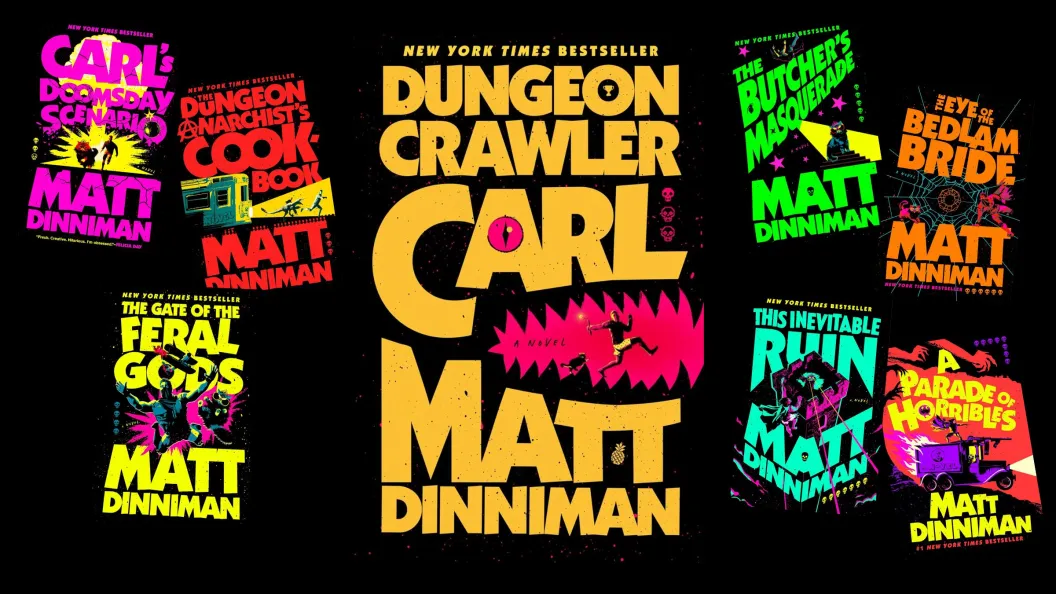
Dungeon Crawler Carl Series Books Discounted Up to 43%
The Dungeon Crawler Carl series by Matt Dinniman is now available at discounts of up to 43% off on Amazon, providing an affordable way for fans to join its growing following.
Several sci-fi shows have reimagined the mirror universe concept in innovative and impactful ways.
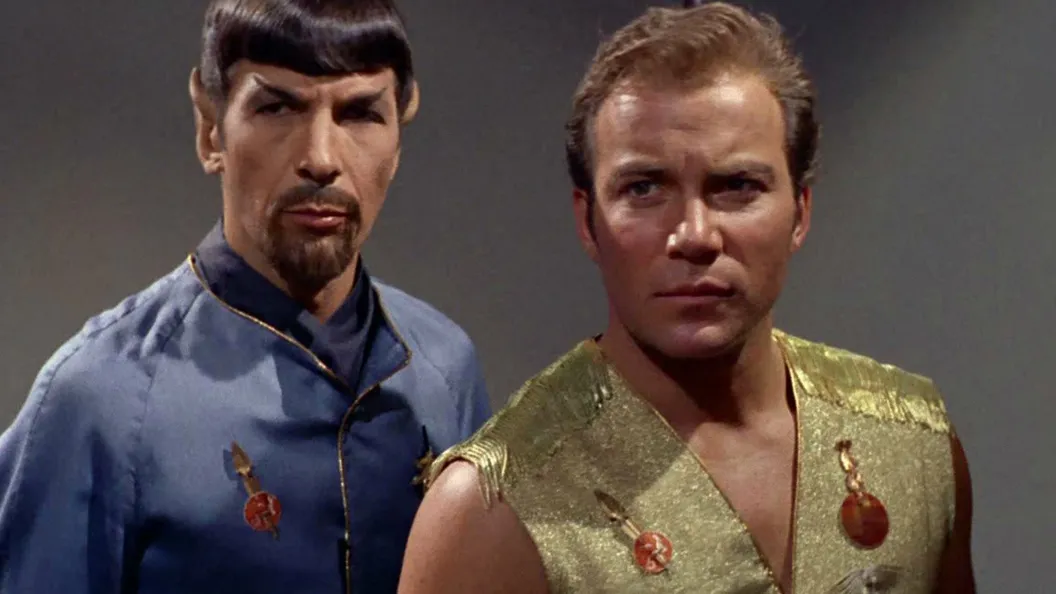
Recent discussions in the sci-fi community have highlighted how various TV series have approached the mirror universe concept, particularly in comparison to Star Trek's original framework. A piece published on ComicBook.com notes that many shows have iterated on this concept, offering significant moral and narrative stakes that set them apart from Star Trek's more simplistic portrayal.
Star Trek introduced the mirror universe with its iconic episode "Mirror, Mirror" in October 1967. This groundbreaking storyline showcased a brutal version of the Federation, where characters like Kirk and Spock displayed dark alter egos. While it remains a celebrated episode, subsequent returns to this universe in series like Deep Space Nine, Enterprise, and Discovery prompted criticism about the lack of narrative depth. Robert Hewitt Wolfe, a writer for Deep Space Nine, noted that the recurring usage felt like "just a fun excuse" rather than a meaningful exploration of character.
Doctor Who: In the two-part episode "Rise of the Cybermen" and "The Age of Steel," Doctor Who employs a parallel universe where aspects of reality diverge significantly yet do not teem with moral depravity. The crossing is used for emotional stakes, culminating in a heart-wrenching farewell between Rose and her alternate father, which was voted the greatest sci-fi moment by a 2014 SFX poll.
Buffy the Vampire Slayer: The show explores themes of consequence through its episode "The Wish," where Cordelia's wish leads to a dystopian alternate reality. Here, characters experience tragic endings, exploring the moral ramifications of their choices—an angle the Star Trek mirror universe never engaged with.
Counterpart: This series presents a gripping narrative involving two parallel worlds post a 1987 physics experiment. It examines identity and morality through characters with identical faces but divergent lives, prompting audiences to ponder difficult questions about nature and nurture.
Fringe: In this series, an alternate reality forms as a consequence of human choice, evident in a character’s emotional turmoil after losing his son. The show ingeniously alternates between universes, a narrative experiment that Star Trek did not undertake.
Stargate SG-1: This show tackles the mirror universe by showing real stakes when Daniel Jackson encounters a world where he never existed, facing immediate dire consequences. Differentiating itself from Star Trek, this episode allows losses that resonate deeply with viewers, leaving a significant imprint on the storyline.
These series have made considerable strides in transforming the mirror universe concept, often emphasizing personal sacrifice, moral consequences, and defining character choices rather than merely playing with alter egos.
The fresh perspectives offered by these series reflect how contemporary storytelling can evolve classic sci-fi tropes to engage audiences on deeper emotional and ethical levels. The contrast with Star Trek highlights a shift in narrative complexity that resonates particularly well with modern audiences, who favor substantial implications in their entertainment.
Although Star Trek's initial premise laid the groundwork for exploring alternate realities, subsequent shows have redefined what a mirror universe can represent—a reflection of choices and consequences rather than mere evil doppelgängers. This evolution suggests that as science fiction continues to grow, so too will the ways it examines the human condition through speculative narratives.
As these themes gain prominence in viewer preferences, one can anticipate that future sci-fi projects may continue exploring the complexities of multiple realities, focusing more on character-driven storylines and the moral implications of their actions. However, it should be noted that upcoming projects linked to these themes have not been announced.
Entertainment news
EpisodeBreakdown may use automated tools to assist research, drafting, and formatting. Published pages are governed by our editorial and corrections policies, and source links are shown when they are available in the article record.
Discovery source: ComicBook.com. The source identifies where the topic was discovered; EpisodeBreakdown is responsible for the commentary published on this page.
Reader response
Reactions and poll results are based on real reader responses. No account is required.