movies
Exploring the Themes of Teenage Identity in 'Teenage
Explore how 'Spider-Man: Brand New Day' revisits key themes and character growth through its clever reference to 'No Way Home'.
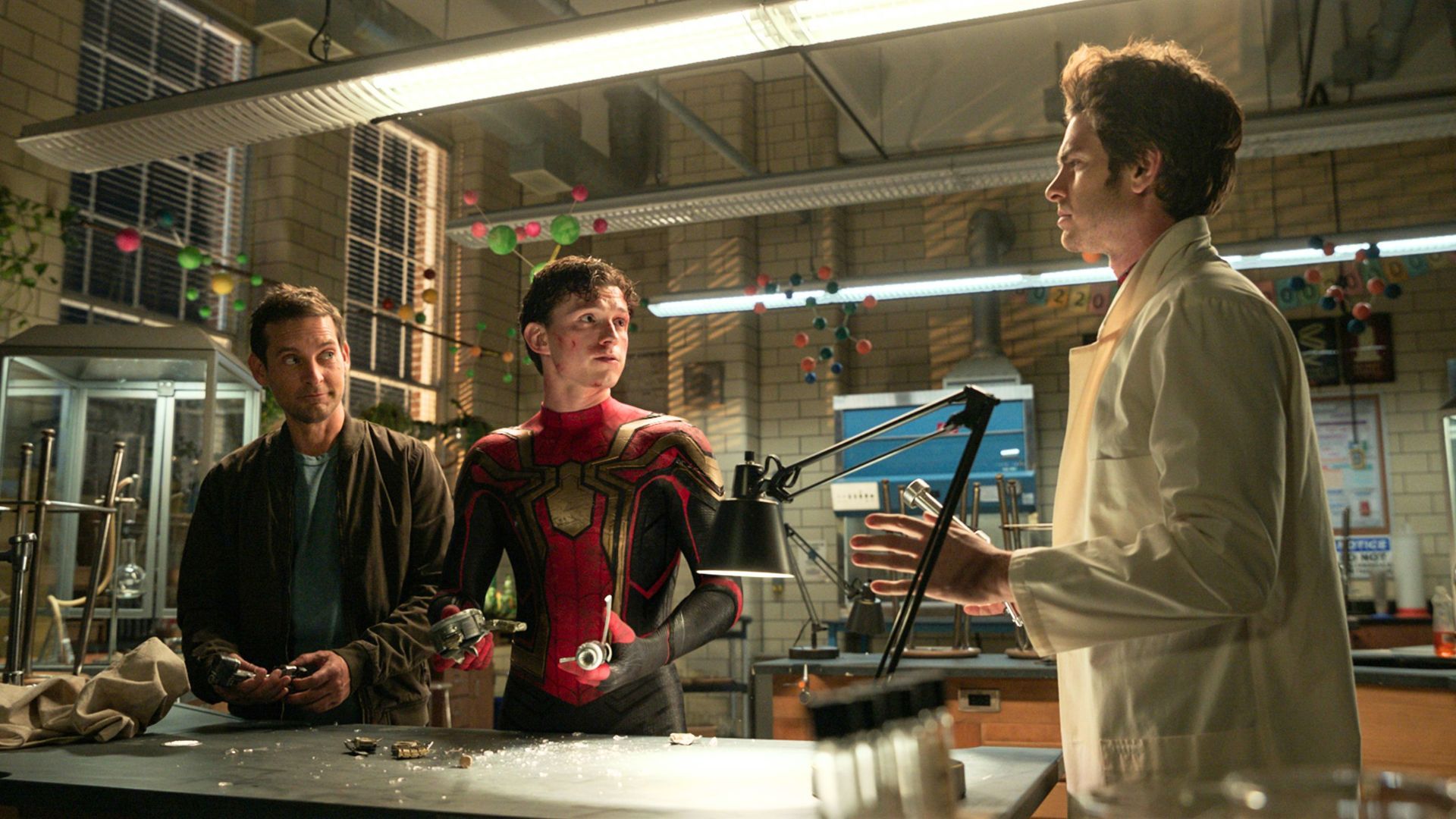
In simple terms, 'Spider-Man: Brand New Day' poses a central question: How does Peter Parker's evolution reflect his past experiences with the multiverse? The film cleverly integrates nostalgia while highlighting Peter's journey from loss to self-discovery. Confirmed details reveal that while this film serves as a soft reboot, it also acts as a sequel to the beloved 'No Way Home', rooting itself deeply in the Spider-Man mythos.
The interplay between Peter’s organic evolution as Spider-Man and the tonal shifts from previous Spider-Man adaptations is particularly captivating. This movie shifts the narrative focus towards Peter's internal struggles, especially the poignant aftermath of 'No Way Home', where he finds himself forgotten by those he loves the most.
One significant turning point in 'Brand New Day' revolves around Peter’s physical transformation. After the chaos of 'No Way Home', he grapples with newfound abilities and the implications of organic webbing. This change symbolizes a broader theme: growth brings insecurity. In one memorable scene, he tests out his organic webbing, only to find it clumsy and awkward — a stark contrast to how retractable web-shooters previously defined his Spider-Man identity. This moment not only underscores his evolution but also serves as a direct homage to the earlier Spider-Man films.
Loss is a recurring theme throughout 'Brand New Day', closely tied to Peter’s identity as Spider-Man. Following the events of 'No Way Home', where Peter sacrifices his connections to keep loved ones safe, he wrestles with loneliness. The film illustrates this conflict through its plot, as crime escalates around him while he seeks to navigate his new abilities in isolation. This duality reminds audiences of the existential cost of his choices; becoming Spider-Man has left him estranged from his own life.
The film’s brilliant use of nostalgia peaks in a scene reminiscent of Tobey Maguire's portrayal of Spider-Man. Peter Parker (Tom Holland) finds solace in recalling moments from his past, specifically a playful rendition of learning to use his webbing—a nod to the original Spider-Man trilogy. Here, he channels Peter 2 (Maguire), reflecting on how organic webbing shapes the essence of being Spider-Man. The line “he was cool” elevates the scene, invoking a sense of yearning mixed with admiration for past iterations of the hero.
While Peter 2 had his share of failures, Holland's Spider-Man makes it clear that he has a legacy to carry on. The amalgamation of these characteristics paves the way for profound character development, where he must unlearn prior knowledge due to his new physiology. This adds layers to the ongoing Spider-Man narrative, creating a bridge that connects to the past while propelling forward.
Another dimension worth investigating is Peter's dynamic with the new enemy that emerges amidst an uptick in criminal activity. While the specifics of this antagonist remain somewhat ambiguous, it’s indicated that Peter's transition will play a crucial role. The villain's motivations appear to resonate with Peter’s own struggles, amplifying the psychological stakes of the narrative. This conflict not only challenges Peter physically but emotionally, pushing him to confront his fears of inadequacy after losing what he once held dear.
As the film reaches its climax, Peter's mastery over his organic webbing serves as a metaphor for reconciling his past and present. His first clumsy attempts at web-swinging awkwardly reflect his initial days as Spider-Man, yet show marked growth as he learns to adapt. The underlying message resonates deeply: growth is rarely linear. The chaos in his new abilities parallels his chaotic emotional landscape. Ultimately, this conclusion reinforces that Peter's strongest weapon isn't just his powers, but his capacity for resilience.
Through these layers, 'Spider-Man: Brand New Day' breathes fresh air into the Spider-Man legacy, reminding both fans and newcomers of the character’s enduring relevance. The film elevates Peter Parker as a multi-dimensional character, mirroring the progression of the franchise itself. This synthesis of nostalgia and evolution echoes throughout the film, ensuring that old and new fans alike will find something to cherish.
In conclusion, 'Spider-Man: Brand New Day' serves not only as a nostalgic callback to past iterations but as a deep exploration of identity and growth. By weaving in elements from 'No Way Home', it captures the essence of what it means to be Spider-Man: a cycle of loss, adaptation, and persistent hope. This relevance to the rich tapestry of Spider-Man’s storytelling ensures that it stands out as both an homage and a new beginning for the beloved web-slinger.
For those looking to delve deeper into the Spider-Man legacy, consider exploring our pieces on Exploring the Success of Spider-Man: Brand New Day and 11 Comics to Explore Following 'Spider-Man: Brand New Day'.
Movie explanation
EpisodeBreakdown may use automated tools to assist research, drafting, and formatting. Published pages are governed by our editorial and corrections policies, and source links are shown when they are available in the article record.
Discovery source: MovieWeb. The source identifies where the topic was discovered; EpisodeBreakdown is responsible for the commentary published on this page.
Reader response
Reactions and poll results are based on real reader responses. No account is required.
This article dives into the key themes and character motivations of 'Teenage Sex and Death at Camp Miasma,' revealing a deeper understanding of youthful exploration.