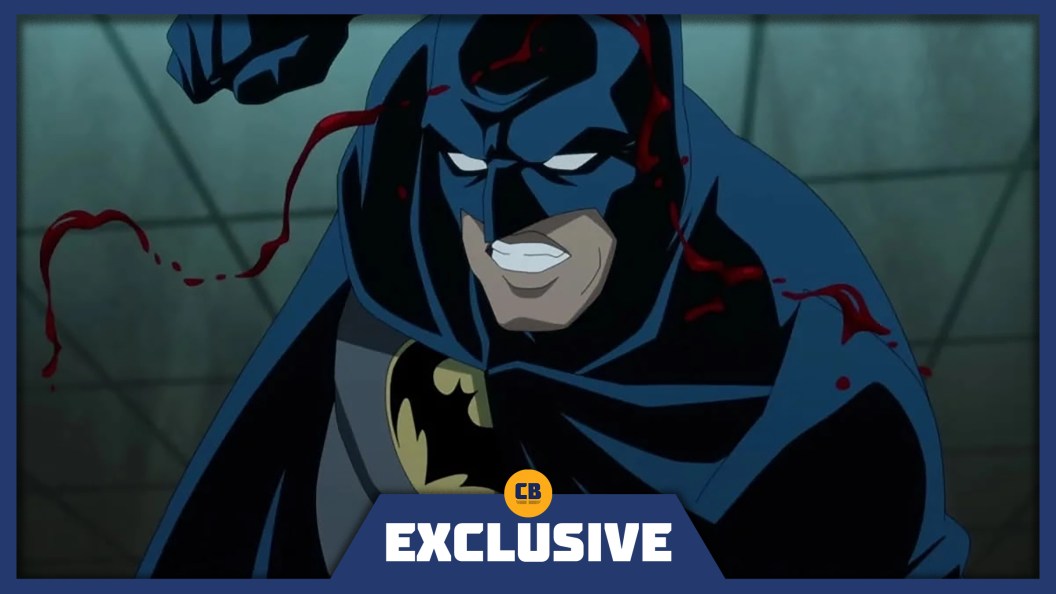
Batman: Knightfall's R-Rated Evolution and Its Significance
Dive into how the R-rating of Batman: Knightfall allows for a deeper exploration of its dark themes and character evolution, alongside the pivotal role of creators.
Exploring how the cancellation of 'Spider-Man 4' derailed the franchise's trajectory and shaped its future iterations.
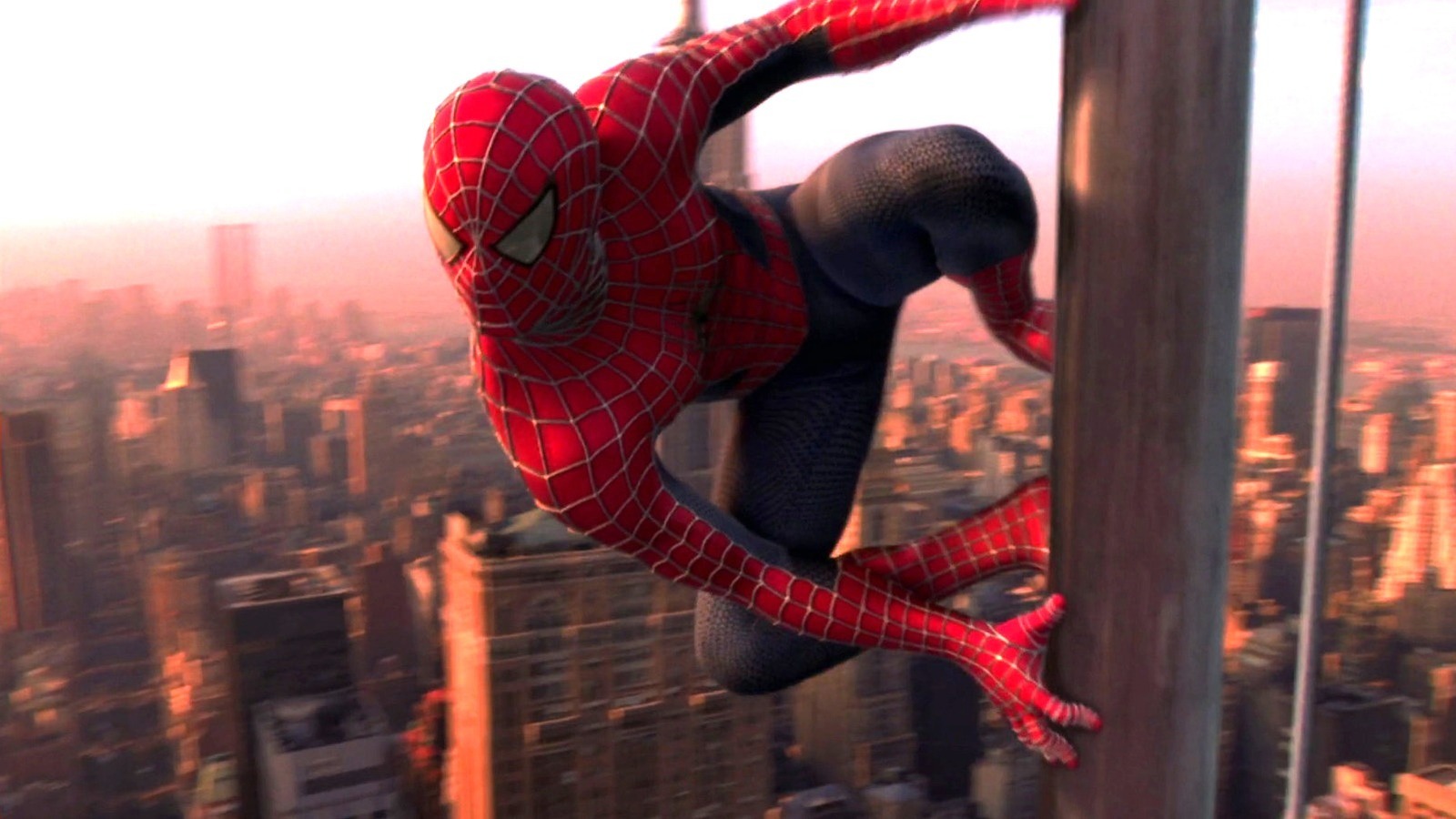
In simple terms, the cancellation of Sam Raimi's Spider-Man 4 significantly stunted the creative growth of the Spider-Man franchise. The film had been set to introduce both a compelling villain in the Vulture and storylines that could have provided rich emotional closure. What happened is that the abrupt termination of this installment led to a series of reboots and mixed receptions in subsequent films, preventing a true exploration of the character’s depth and narrative complexity.
The saga of the Spider-Man films began with Sam Raimi's acclaimed trilogy, which fundamentally defined the superhero genre in the early 2000s. However, by 2010, the buzz surrounding Spider-Man 4 was already dwindling due to mixed reviews of Spider-Man 3. Raimi's reluctance to proceed without a solid script speaks volumes about his dedication to quality—a passionate commitment that contrasts sharply with Sony's business-driven approach.
Critics often cite Raimi's judgment as a pivotal moment. After realizing he couldn’t produce a script he felt confident about in time for a 2011 summer release, he opted to withdraw. This decision, framed as a professional breakup, left fans longing for a film that could adequately encapsulate Peter Parker's journey and resolve the emotional arcs built over the previous films.
A cornerstone of the proposed film was its villain—the Vulture—who would have been portrayed by John Malkovich. Conceptual art indicated that the character mused a far more sophisticated and fearsome antagonist than previously depicted. The intent was to enrich the narrative by exploring familial ties through the introduction of the Vulture's daughter, who might have taken up her father's mantle after his defeat. Unfortunately, the narrative remained incomplete, clearly reflective of Raimi’s trepidations about the script’s cohesion.
Confirmed details about the Vulture storyline reveal intriguing possibilities, including parallels between Peter Parker’s struggles and the evolving media landscape symbolized by J. Jonah Jameson's character arc. This complex web of relationships had the potential to deepen the franchise’s exploration of themes like legacy and public perception.
The cancellation of Spider-Man 4 did not merely mark the end of one era; it thrust Sony’s Spider-Man franchise into a cycle of reboots that lacked the creative vision Raimi had. The ensuing The Amazing Spider-Man, debuting in 2012, was met with skepticism. Critics remarked that it failed to distinguish itself from its predecessors, offering a hollow echo of the earlier films rather than an invigorating reinterpretation of the character.
Despite efforts to inject more comic book accuracy with Andrew Garfield’s portrayal of a grittier Peter Parker, fans felt the absence of emotional depth that characterized Raimi's films. This led to a backlash against the rebooted series, where audiences craved the nostalgia of Raimi’s take, especially after Spider-Man: No Way Home reintroduced beloved characters.
Sony's handling of the Spider-Man franchise post-Raimi has often been viewed as reactionary, aimed at capitalizing on the success of the Marvel Cinematic Universe without understanding the heart of the character. This became glaringly evident in The Amazing Spider-Man 2, which attempted to juggle multiple narratives—an ambitious but ultimately flawed venture that left many fans longing for the depth presented in the earlier trilogy.
As the franchise struggled to find a cohesive identity, it fell back on familiar characters and setups, even attempting to parallel the emotional storytelling that Raimi achieved. Critics have pointed out that the shift in tone and style often felt more like a concession to trends than a genuine effort to explore Spider-Man's complexities.
The landscape of superhero films transformed with the advent of Spider-Man: No Way Home, which became a nostalgic homage to Raimi’s films, effectively offering fans the reunion with Maguire’s Spider-Man that they had longed for. While this moment brought satisfaction to audiences, it also highlighted the unresolved narrative arcs that existed prior to the cancellation of Spider-Man 4. This nostalgia casts a long shadow over both The Amazing Spider-Man series and the new Tom Holland-led films, as they fail to attain the emotional resonance and depth that characterized Raimi's interpretations.
Whereas Spider-Man 3 may not have conclusively wrapped up the narrative, it still provided enough threads for future storytelling. In contrast, the subsequent films lacked the depth, as suggested by the studio’s shifting creative decisions that prioritized box office returns over character coherence and emotional stakes.
As the Spider-Man franchise grapples with its legacy and future directions, the cancellation of Spider-Man 4 looms large as a missed opportunity for narrative completion. Raimi’s vision had the potential to deepen the emotional core of the character while still introducing new challenges. The ongoing popularity of the Spider-Verse animations indicates that fans are still hungry for that depth, particularly in storytelling that celebrates the complexities of Peter Parker's life beyond just the superhero persona.
The enduring impact of Raimi’s Spider-Man trilogy continues to echo in each new iteration, as mistakes from the past highlight the need for a clear vision in future Spider-Man stories. The cancellation of a project that could have offered a fitting capstone to a beloved character reaffirms the quest for thoughtful storytelling in an industry often driven by commercial interests.
The legacy of Spider-Man 4 remains—a symbol of what could have been and a benchmark for future filmmakers to strive toward, ensuring Peter Parker's journey remains as rich and nuanced as the character deserves. As audiences await what comes next in Spider-Man's cinematic journey, they reflect on the highs of the past and the promise of future tales worthy of this iconic superhero.
Movie explanation
EpisodeBreakdown may use automated tools to assist research, drafting, and formatting. Published pages are governed by our editorial and corrections policies, and source links are shown when they are available in the article record.
Discovery source: Slashfilm. The source identifies where the topic was discovered; EpisodeBreakdown is responsible for the commentary published on this page.
Reader response
Reactions and poll results are based on real reader responses. No account is required.