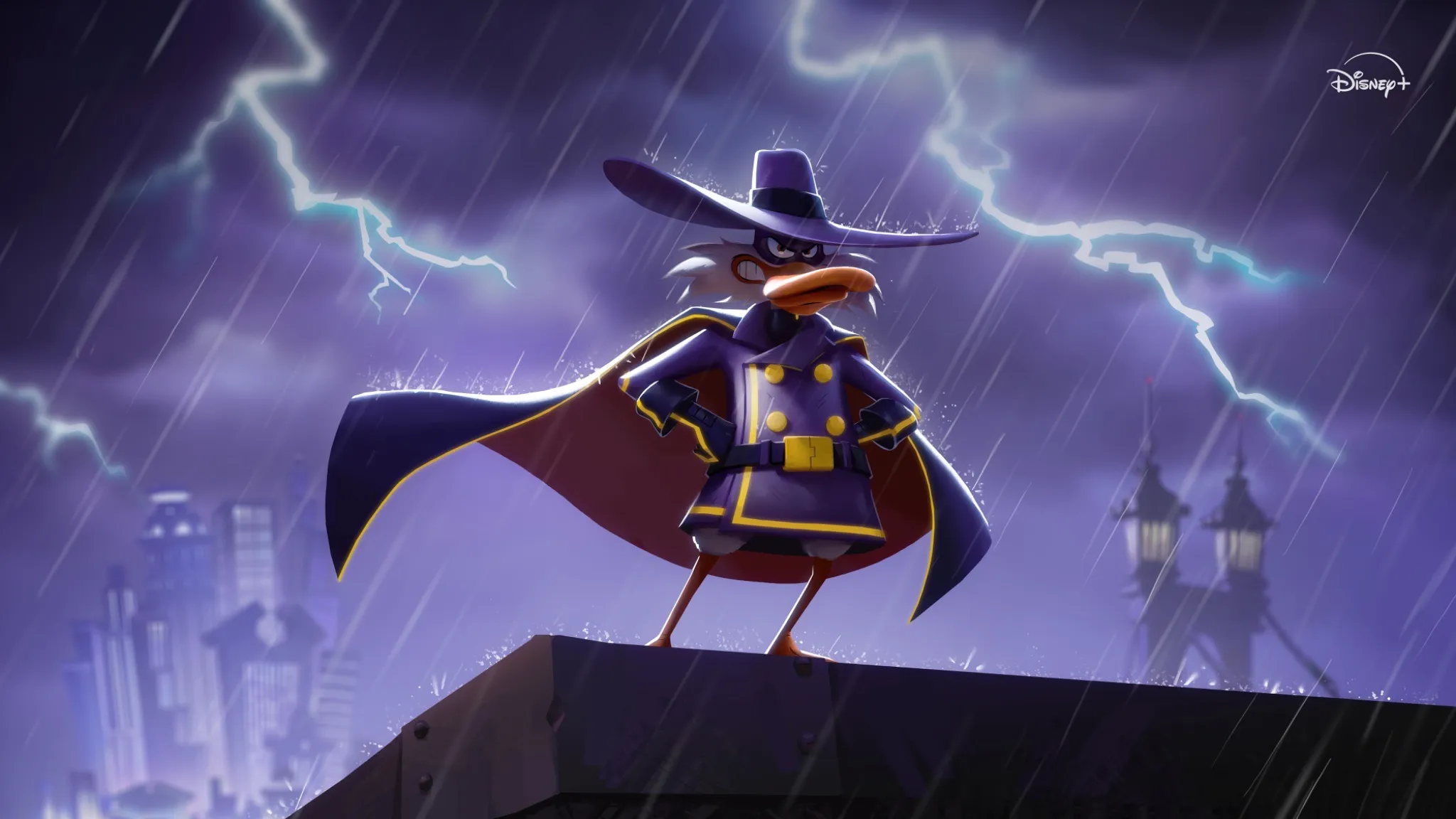
‘Darkwing Duck’ Reboot Ordered to Series at Disney+
Disney+ has officially ordered a reboot of ‘Darkwing Duck’ to series, featuring a star-studded voice cast, including Mark Hamill and Seth Rogen.
53 years ago, 'Star Trek: The Animated Series' revived a beloved franchise, returning to audiences in an unexpected format after the original show's cancellation.
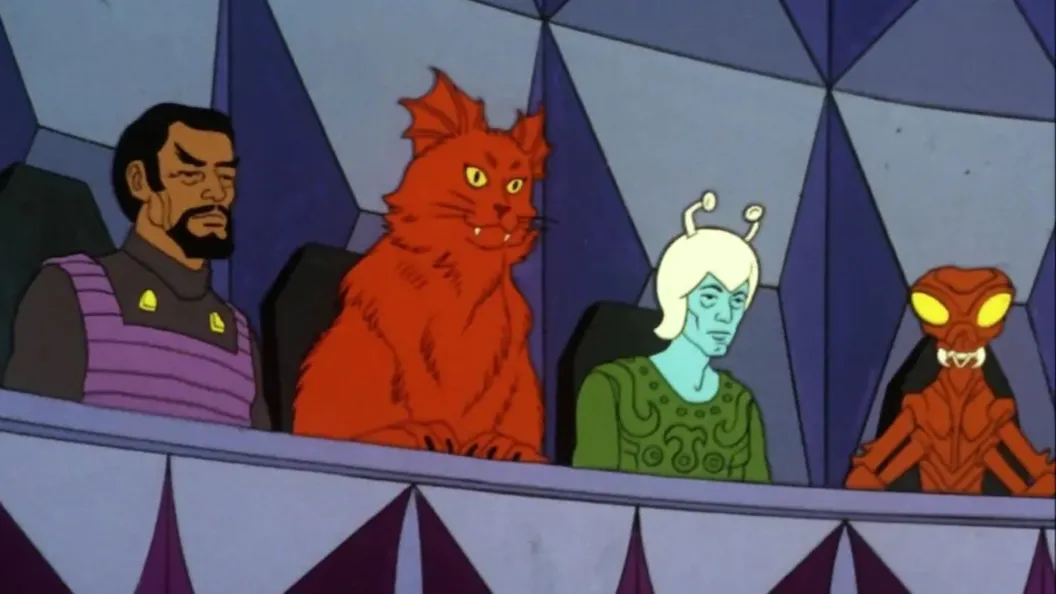
On September 8, 1973, just four years after the original Star Trek series was canceled, Star Trek: The Animated Series premiered, bringing back fan-favorite characters in a new format. This reimagining of the iconic franchise was announced by Gene Roddenberry, who sought to continue exploring the adventures of the USS Enterprise crew through animation.
ComicBook.com reports that the decision to transform Star Trek from a beloved live-action series to an animated format allowed for greater creative flexibility. The animated series retained the voices of original cast members, including William Shatner as Captain Kirk, Leonard Nimoy as Spock, and DeForest Kelley as Dr. McCoy, maintaining continuity with the original storyline. This innovative approach expanded its visual storytelling, introducing aliens and environments that would have been challenging to depict in live action.
The Animated Series debuted amid both excitement and skepticism. Despite initial fan reservations about its validity as "real Star Trek," the show found its own audience and won a Daytime Emmy Award for Best Children’s Programming in 1975, as reported by ComicBook.com. This award served as a testament to its appeal, especially given the lower expectations some viewers initially held due to its animated nature.
Star Trek: The Animated Series ran for 22 episodes, allowing viewers to dive deeper into the lore of the franchise. One standout episode, titled "Yesteryear," explores themes of identity and family, showcasing the emotional depth that characterized the original series. Such narrative complexity reaffirmed the potential for storytelling within the realm of animation, a feature that later iterations of Star Trek would also seize upon.
Despite its accolades, the Animated Series faced significant pushback from sections of the fanbase who debated its legitimacy within the Star Trek canon. This ongoing discourse about what constitutes "real Star Trek" continues to engage audiences even today, illustrating how fan expectations can shape the legacy and reception of creative works, as noted in recent discussions documented by ComicBook.com.
The legacy of Star Trek: The Animated Series paved the way for future reimaginings, including cinematic features and new television series set in the Star Trek universe. As conversations about its place within the franchise continue, the animated series remains a vibrant part of Star Trek history, influencing how stories can be told across different media.
For over 50 years, Star Trek has adapted and evolved, keeping its core themes and characters alive while exploring new creative avenues. The enduring popularity of the franchise, including its animated entries, demonstrates that the voyages of the USS Enterprise resonate with multiple generations of fans.
What This Means The 53rd anniversary of Star Trek: The Animated Series serves as a reminder of the franchise's innovative spirit and adaptability. As Star Trek continues to thrive through various forms of storytelling, it reflects the lasting impact of its original vision and the ongoing dialogue between creators and fans about what defines the series' essence.
For further insights into the Star Trek franchise, check out our features on Star Trek's Legacy in Animation and Fan Reactions to the Franchise.
Source: ComicBook.com
Entertainment news
EpisodeBreakdown may use automated tools to assist research, drafting, and formatting. Published pages are governed by our editorial and corrections policies, and source links are shown when they are available in the article record.
Discovery source: ComicBook.com. The source identifies where the topic was discovered; EpisodeBreakdown is responsible for the commentary published on this page.
Reader response
Reactions and poll results are based on real reader responses. No account is required.